Dubai vs Abu Dhabi: Which City Should You Visit?
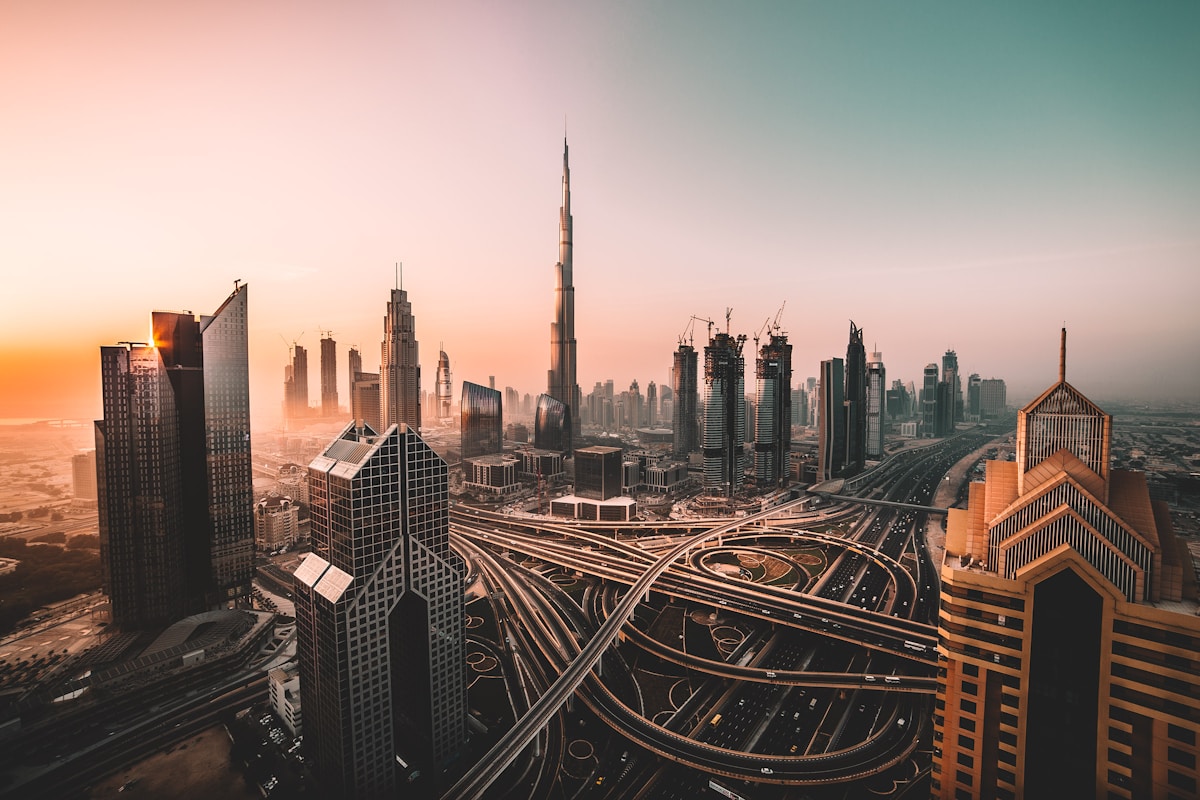
Choosing between Dubai and Abu Dhabi is one of the most common dilemmas for first-time visitors to the UAE. Both cities are world-class destinations — but they’re different in character, pace, and purpose. Here’s how they stack up so you can make the right call for your trip.
The Vibe: Glitz vs Culture
Dubai is the UAE’s commercial engine and entertainment capital. It’s high-octane: record-breaking skyscrapers, the world’s largest mall, man-made islands, and a nightlife scene that runs until dawn. If spectacle is what you’re after, Dubai delivers it constantly.
Abu Dhabi, the UAE’s capital, moves at a slower pace. It has serious money — it’s the seat of government and home to most of the country’s oil wealth — but it wears it differently. The focus is on culture, museums, and heritage. The Sheikh Zayed Grand Mosque is here. So is the Louvre Abu Dhabi. The atmosphere is more considered, less performative.
Neither is better. They’re suited to different travellers and different moods. Many visitors find they want both.
Beaches
Dubai has two standout beaches within easy reach of the city. Jumeirah Beach (JBR) runs alongside The Walk, a waterfront promenade lined with restaurants and cafes — it’s lively, often busy, and a good base for water sports. Kite Beach is the city’s more relaxed option: cleaner, quieter, popular with paddleboarders and families. Both are free to access; sun loungers at beach clubs cost approximately AED 150–300 per day as of 2026.
Abu Dhabi’s beaches are generally less crowded and in many visitors’ opinions better. Saadiyat Beach sits on an island 15 minutes from the city centre and fronts a long stretch of white sand; it’s notably uncrowded by UAE standards. Corniche Beach runs for 8 kilometres along the city’s waterfront, is free to access, and is well maintained. The Abu Dhabi beach club scene is smaller than Dubai’s but growing fast, with The Club and Saadiyat Beach Club both well regarded.
Verdict: Abu Dhabi for quality and peace; Dubai for energy and convenience from most hotel bases.
Attractions
Dubai runs on superlatives. The Burj Khalifa (entry from approximately AED 149 for At the Top on levels 124–125, as of 2026) is the obvious centrepiece. Dubai Mall is the world’s largest shopping mall by total area and houses an indoor aquarium, ice rink, and a VR park. The Dubai Frame offers strong views at a lower price point (approximately AED 50 as of 2026). For pure adventure, Ski Dubai, the indoor ski slope, and IMG Worlds of Adventure are well worth the AED 200–300 entry fees.
Abu Dhabi’s headline attraction is the Sheikh Zayed Grand Mosque, one of the world’s largest and most beautiful. Entry is free. The Louvre Abu Dhabi on Saadiyat Island (approximately AED 63 as of 2026) is a genuine world-class museum housing art from antiquity to the present day — not a satellite location but a fully curated institution. Ferrari World (approximately AED 295 as of 2026) and Warner Bros. World Abu Dhabi (approximately AED 295 as of 2026) are on Yas Island, which also hosts the Formula 1 circuit.
Verdict: Dubai for spectacle and record-breakers; Abu Dhabi for culture and quality museums.
Food Scene
Both cities have excellent food, though the character differs.
Dubai has the broader international selection. Old Dubai around Deira and Bur Dubai is the place for cheap, authentic South Asian and Middle Eastern food — a shawarma near Al Rigga runs approximately AED 8–12, a full meal at a local Pakistani restaurant approximately AED 25–45. The higher end is covered well: restaurants by Nobu, Zuma, and Armani/Aqua are among Dubai’s well-reviewed fine dining options, with mains starting from approximately AED 120–200.
Abu Dhabi has its own strong food scene, particularly in the areas around Hamdan Street and on Yas and Saadiyat islands. The capital’s café culture is genuinely good — try the stretch of independent cafes around the Corniche area. For mid-range dining, Carmelo restaurant in the Khalidiyah district is consistently well regarded. The Yas Island cluster of restaurants tends toward the international chain end; the more interesting eating is in the city centre.
Cross-link: see our Dubai restaurants guide and Abu Dhabi dining guide for specific picks.
Nightlife
Dubai is the undisputed winner here. Dubai has licensed bars, clubs, and beach parties across dozens of venues; Jumeirah Beach Residence (JBR), DIFC, and Downtown are the main strips. Drinks are expensive — expect approximately AED 50–80 for a beer and AED 70–120 for a cocktail at most venues — but happy hours are widespread, typically 5–8pm with two-for-one deals.
Abu Dhabi has a smaller but legitimate nightlife scene, concentrated around Yas Island and the central hotel bars. It tends to be quieter and less tourist-facing. If nightlife is a priority, Dubai is the stronger choice.
Cost Comparison
The UAE is expensive relative to most travel destinations, but Dubai and Abu Dhabi are broadly similar in cost. Some categories differ.
| Category | Dubai | Abu Dhabi |
|---|---|---|
| Budget hotel (per night) | AED 250–400 | AED 200–350 |
| Mid-range hotel (per night) | AED 500–900 | AED 450–800 |
| 5-star hotel (per night) | AED 1,200–3,000+ | AED 900–2,500+ |
| Restaurant meal (mid-range, per person) | AED 60–120 | AED 50–100 |
| Coffee | AED 18–30 | AED 15–25 |
| Taxi (5km) | AED 20–35 | AED 15–30 |
| Beer at a bar | AED 50–80 | AED 45–75 |
All prices approximate as of 2026.
Abu Dhabi is marginally cheaper across most categories, particularly hotels. Dubai’s Deira neighbourhood has the most affordable accommodation in the emirate.
Named hotels with approximate nightly rates (as of 2026):
Dubai:
- Rove Hotels (multiple locations): approximately AED 300–500, clean, well-located mid-range chain
- Dubai Creek Hotel: approximately AED 350–550, historic property with Creek views
- Jumeirah Beach Hotel: approximately AED 1,400–2,200, beach access and strong views
Abu Dhabi:
- Centro by Rotana Yas Island: approximately AED 280–420, solid value near Yas attractions
- Pearl Rotana Capital Centre: approximately AED 350–550, good city-centre base
- Emirates Palace Mandarin Oriental: approximately AED 2,500–5,000+, the city’s most iconic property
Getting Between Dubai and Abu Dhabi
The two cities are approximately 140km apart — a 90-minute drive under normal traffic conditions. Allow two hours if travelling Friday evening or Sunday morning (peak times).
Bus: The cheapest option by far. E101 and E102 services run from Al Ghubaiba bus station in Dubai to Abu Dhabi’s central bus station. Fare approximately AED 25 one way as of 2026. Buses are air-conditioned and comfortable; journey time approximately 2 hours.
Taxi: Most convenient but costly. A standard taxi between the cities costs approximately AED 200–280 depending on traffic and time of day. Careem (Uber equivalent) is comparable. Worth splitting between two or more travellers.
Driving: If you have a rental car, the drive is straightforward on Sheikh Zayed Road / E11. Petrol is cheap by regional standards (approximately AED 2.83/litre for Special 95 as of 2026). Parking in both cities is metered but generally available.
Note: there is no train or metro connection between the two cities as of 2026.
Who Should Go Where
Families are well served by both cities. Dubai has more theme parks and dedicated family attractions (IMG Worlds, Legoland, Motiongate); Abu Dhabi has Warner Bros. World and Ferrari World on Yas Island. Abu Dhabi’s beaches are generally calmer, which favours younger children. A split trip covering Yas Island and Dubai works well for families with children of varied ages.
Couples tend to split between them based on preference. Romantic beach weekend? Abu Dhabi’s Saadiyat has fewer crowds. High-energy city break with rooftop bars and club nights? Dubai. A mix of culture and celebration suits a 5–7 day split combining both.
Solo travellers often find Dubai easier to navigate socially — the hostel and budget hotel scene is better developed, and solo-friendly activities (tours, bars, beaches) are more concentrated. That said, Abu Dhabi is not unwelcoming to solo visitors; it simply has fewer backpacker-oriented infrastructure.
Culture-first travellers should spend more time in Abu Dhabi. The Sheikh Zayed Grand Mosque, Louvre Abu Dhabi, and the Al Ain cultural landscape (1.5 hours from the city) make for a genuinely rewarding cultural itinerary.
The Case for Combining Both
Most visitors who come to the UAE for 5 days or more should see both cities. They complement each other, and the travel time between them is manageable.
A suggested split:
- 5–7 days: 3–4 nights Dubai, 2–3 nights Abu Dhabi
- 4 days: 2–3 nights Dubai (fly in/out), 1–2 nights Abu Dhabi or a day trip
- 10+ days: 5 nights Dubai, 3–4 nights Abu Dhabi, 1–2 nights elsewhere (Hatta, Ras Al Khaimah, or Fujairah)
Day trips are feasible — Abu Dhabi from Dubai is doable in a day — but you’ll miss the city at night, which is when both are at their most impressive.
Practical Notes
Both cities are covered by the same visa arrangements — a single UAE visa covers the entire country. See our UAE visa guide for entry requirements by nationality.
The UAE’s dress code applies in both cities: conservative dress in malls, mosques, and public spaces; resort wear is fine at beaches and hotel pools.
For getting around within each city, see our guides to getting around Dubai. Abu Dhabi has a public bus network, though taxis and apps are more practical for most itineraries.
Aviasales lets you compare flights into Dubai, Abu Dhabi, and Sharjah airports side by side — useful when trying to find the cheapest entry point. GetYourGuide lists tours, desert safaris, and city experiences across all UAE emirates with confirmed availability and cancellation options.
Useful Guides for Your Trip
- Dubai travel guide
- Abu Dhabi travel guide
- Sheikh Zayed Grand Mosque visitor guide
- Louvre Abu Dhabi visitor guide
- Yas Island theme parks guide
- Burj Khalifa visitor guide
- 5-day Dubai and Abu Dhabi itinerary
- 3-day Dubai itinerary
- UAE visa guide
Plan Your Trip
✈️ Book your flights to the UAE 🛡️ Get travel insurance 📱 Stay connected with an eSIM 🚗 Rent a car
Book an experience
Practical in the area
Best price guaranteed · Instant confirmation · Free cancellation on most bookings