Dress Code in the UAE: What to Wear and Where
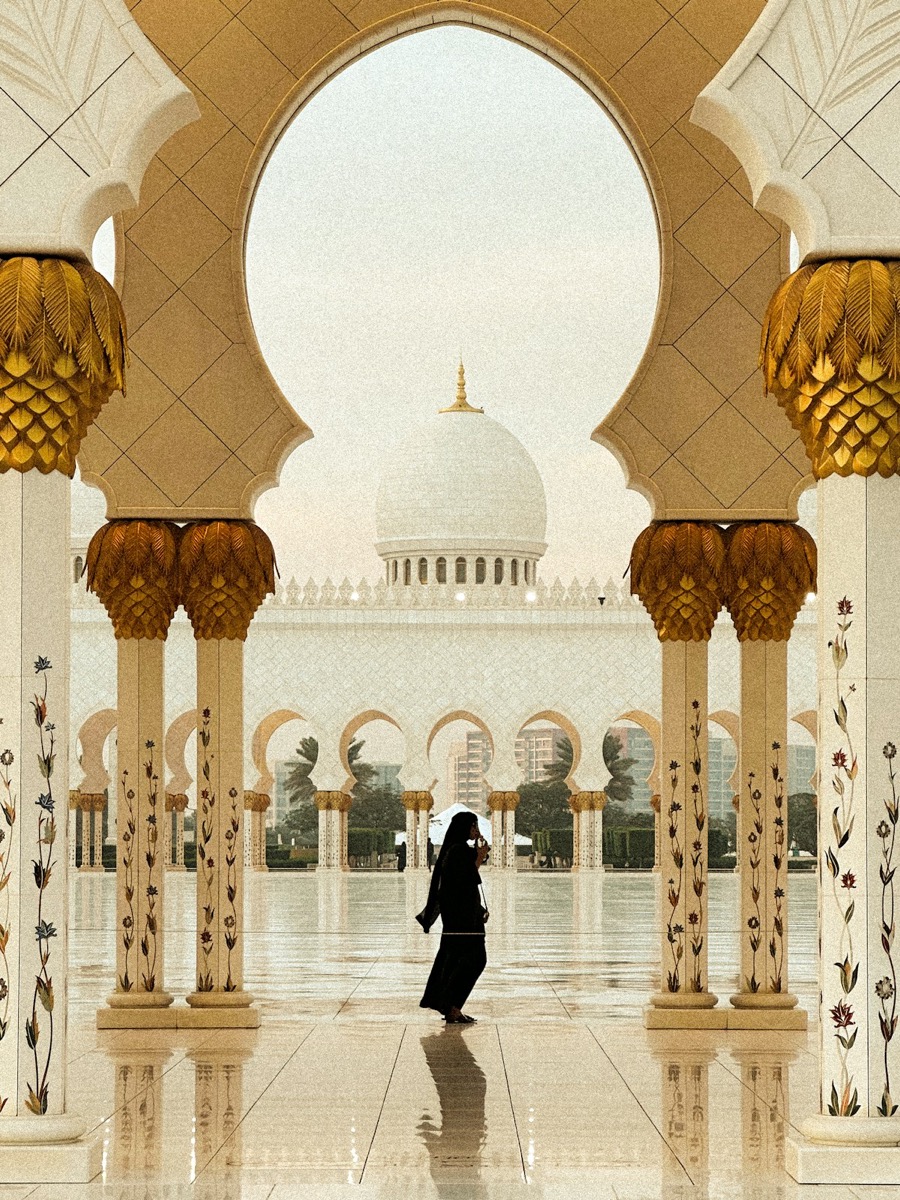
The UAE’s dress code varies meaningfully depending on where you are. Dubai is the most relaxed emirate — close to international norms in its main tourist areas — while Sharjah and Ajman have stricter public modesty expectations. Mosques across all emirates follow consistent, clear rules. Understanding the difference saves awkward encounters and means you’re prepared before entering any venue.
The Core Principle
The UAE is a Muslim-majority country with conservative values in public life. The general expectation is that clothing should not be revealing or offensive in shared public spaces. In practice, this breaks down into:
- Beach and resort areas: Standard international swimwear norms apply.
- Malls and shopping areas: Shoulders and knees covered is the baseline expectation.
- Mosques and religious sites: Full modest dress; women cover hair.
- Restaurants and entertainment venues: Smart casual to smart is fine; very revealing clothing may draw looks or be challenged at some venues.
- Government buildings and hospitals: Modesty required — shoulders and knees covered at minimum.
Dubai: The Most Relaxed Emirate
Dubai’s major tourist districts — Downtown, Marina, JBR, DIFC, Palm Jumeirah — operate close to international norms. You will see:
- Shorts above the knee in malls (widely accepted in practice, technically breach guidelines)
- Sleeveless tops in restaurants
- Beachwear being worn to and from the beach along The Walk
- Gym wear in coffee shops near fitness areas
Published mall policy (what signage says): Shoulders covered, knees covered, no offensive slogans or imagery.
Actual enforcement: Light. Major Dubai malls (Dubai Mall, Mall of the Emirates, Mercato) rarely enforce dress codes on tourists. You may see a reminder notice at entrances but challenging individual visitors is uncommon.
Practical approach: Avoid anything that would clearly be described as beachwear or lingerie-level revealing. A modest but comfortable tourist wardrobe — shorts with a t-shirt, a sundress below the knee — works throughout Dubai without any issues.
Mosques
This is where the rules are consistently applied. Every mosque visit requires proper modest dress:
Women:
- Head, hair, and neck must be covered (headscarf)
- Arms covered to the wrist (long sleeves)
- Legs covered to the ankle (long trousers or a long skirt — no leggings)
- Clothing must be non-transparent and non-form-fitting
- Remove shoes at the entrance
Men:
- Shoulders covered (no sleeveless tops)
- Trousers to at least the knee (no shorts)
- Remove shoes at the entrance
Most mosques in the UAE provide coverings for visitors who arrive without appropriate clothing. At the Sheikh Zayed Grand Mosque in Abu Dhabi — the most visited in the UAE — free abayas (full-length robes) are provided to women at the entrance and must be worn. Men in shorts will also be given a covering garment. This is enforced at the entrance; visitors not meeting standards are turned away until properly covered.
Jumeirah Mosque in Dubai (open to non-Muslim visitors on guided tours) has a similar requirement. Coverings are provided but modest dress is strongly encouraged.
Beaches
Public beaches in Dubai and Abu Dhabi follow international norms:
- Swimwear (bikinis, swimming trunks) is normal and accepted.
- Topless sunbathing is not permitted anywhere in the UAE.
- Nude sunbathing is prohibited.
When leaving the beach to walk to a restaurant, café, or shop, you should cover up — a sarong, cover-up dress, or shorts and t-shirt is appropriate. Most beach clubs have a policy requiring cover-ups in their restaurant areas.
Private beach clubs (many attached to luxury hotels) follow the hotel’s own policy, which is generally similar to international resort standards.
Ramadan: Stricter Public Dress Standards
During Ramadan, dress codes are applied more visibly in public spaces. The guidance issued by Dubai authorities asks for:
- Arms covered (no sleeveless tops in public areas)
- Legs covered to below the knee
- No swimwear outside beach and pool areas
This applies to shopping malls, streets, public transport, and markets. Enforcement during Ramadan is more active than at other times — security staff at mall entrances may ask visitors to change or cover up. Carrying a light scarf or cover-up in your bag makes this easy to deal with on the spot.
Sharjah: Stricter Rules
Sharjah is the most conservative of the major emirates accessible from Dubai. The dress code here is genuinely enforced:
- Shoulders must be covered in all public areas, including streets and souks.
- Knees must be covered.
- Swimwear is only permitted at designated beach areas.
- Dresses and skirts above the knee are not appropriate in public areas.
Sharjah’s heritage areas — the Sharjah Heritage District, Blue Souk, and Al Noor Island — are popular day trip destinations from Dubai. If visiting, dress modestly throughout the day rather than just at specific sites.
Alcohol is also banned in Sharjah entirely (see our alcohol guide).
Ajman and Fujairah
Similar to Sharjah in expectations, though less formally enforced. Modest dress in public areas is the norm. These emirates have beach areas where swimwear is acceptable at designated points.
Restaurants and Nightlife
Dubai’s higher-end restaurants and clubs sometimes enforce dress codes that lean the other way — smart casual minimum, no sports shoes, no shorts after a certain hour. Check the venue policy before going out. Rooftop bars and beach clubs often have relaxed style codes; nightclubs (mostly in hotels) lean toward smart/dressy.
Practical Packing Notes
A workable UAE wardrobe covers all these situations without overpacking:
- Lightweight trousers or maxi skirt: Covers knees and ankles for mosques and conservative areas. Doubles as smart casual.
- Cardigan or light scarf: For mosque visits and Ramadan. Also useful in heavily air-conditioned malls and restaurants.
- Shorts and t-shirts: Fine in Dubai’s tourist areas and on beach days.
- Swimwear: Normal bikini or swimming trunks for beaches and pools.
- Covered footwear (sandals with straps): For mosque courtyard walking on marble.
The heat makes heavy clothing miserable, so lightweight breathable fabrics (linen, cotton, bamboo) are practical across all dress contexts.
Frequently Asked Questions
- What should women wear in Dubai malls?
- Clothing that covers your shoulders and knees is the general guidance, though enforcement in Dubai's major malls is minimal. Crop tops, short skirts, and shorts above the knee technically breach the published dress code but are rarely challenged in practice in tourist-heavy venues. That said, being modestly dressed is respectful and avoids any awkward moments.
- What do you wear to a mosque in the UAE?
- Women must cover their hair (a headscarf is usually provided at the entrance), cover their arms to the wrists, and cover their legs to the ankle. Loose-fitting, non-transparent clothing is required. Men must cover their shoulders and wear trousers to the knee at minimum. Remove shoes before entering. At the Sheikh Zayed Grand Mosque in Abu Dhabi, abayas are provided free of charge for visitors.
- Is there a dress code at Dubai beaches?
- Public beaches have no requirement to cover up — swimwear is normal at Jumeirah Beach, Kite Beach, and JBR Beach. Topless sunbathing is not permitted. Cover up when leaving the beach to walk to restaurants or shops.