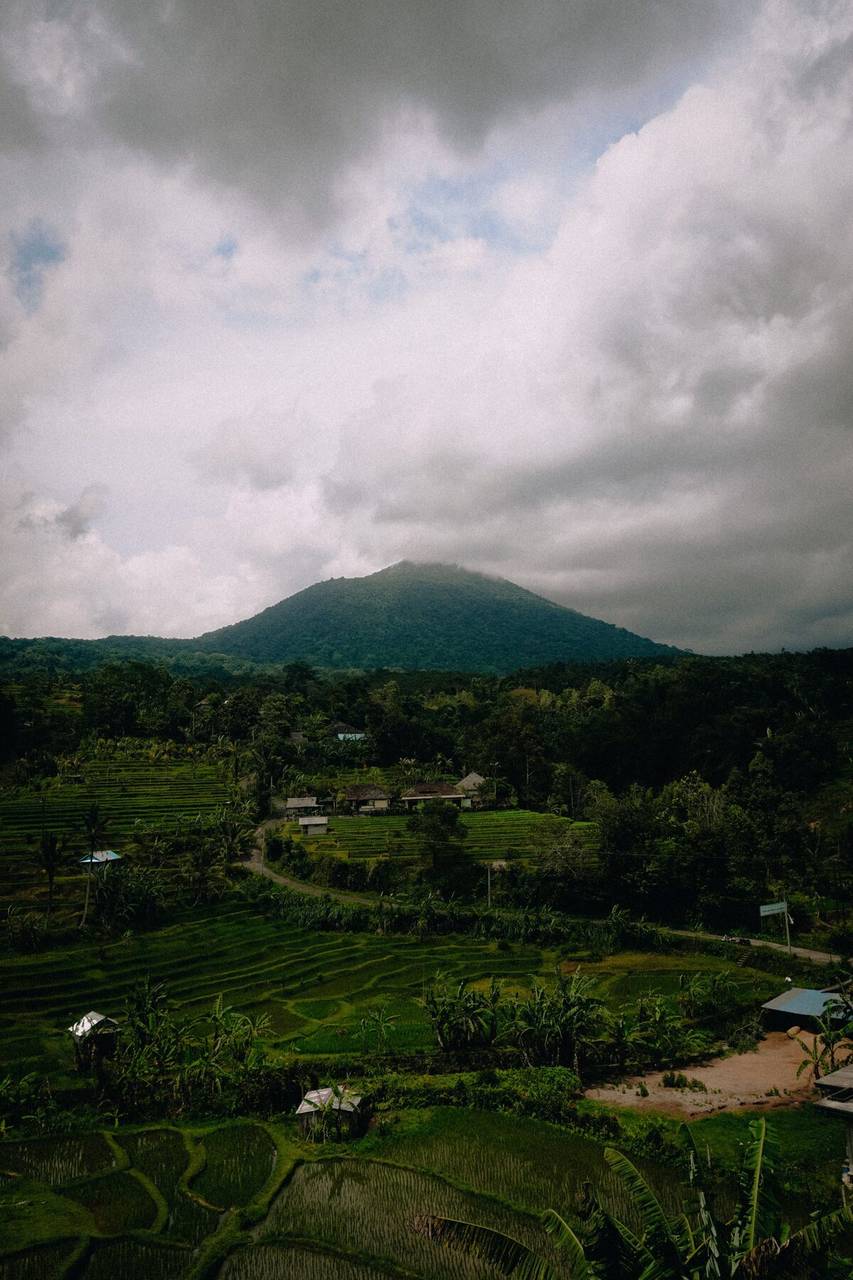
Dubai and Bali share a common talent for attracting visitors who want more than a generic holiday. Both have global reputations that precede them - Dubai for ambition and luxury, Bali for spirituality and green landscapes - but in practice they appeal to overlapping audiences: couples, digital nomads, food lovers, and people looking for an experience that justifies the journey. They are, however, genuinely different places.
The Fundamental Difference
Dubai is a city that has engineered itself into one of the world’s great leisure destinations in under 40 years. The Burj Khalifa, the largest mall in the world, a desert behind the skyline, and a beach in front of it. The city thrives on superlatives and delivers them consistently. It is expensive by default, luxury is the baseline expectation, and the pace is high.
Bali is an island of roughly 4.4 million people with one of the most distinctive cultural identities in Southeast Asia. Hindu temples, terraced rice fields, tropical forest, surf breaks ranked among the world’s best, and a food scene that ranges from USD 3 warungs to Ku Dé Ta and MOZAIC restaurant (a Michelin-level experience). It is gentle, cheap by comparison, and genuinely culturally immersive. A week in Bali feels different from a week in most places.
Verdict: Dubai for structured luxury and city energy. Bali for cultural depth, value, and natural variety.
Cost Comparison
| Category | Dubai | Bali |
|---|---|---|
| Budget hotel (per night) | AED 300–500 (USD 80–135) | USD 20–50 |
| Mid-range hotel (per night) | AED 600–1,200 (USD 165–325) | USD 40–100 |
| Luxury villa or resort (per night) | AED 1,500–4,000 (USD 410–1,090) | USD 150–500 |
| Restaurant meal (mid-range, per person) | AED 70–130 (USD 19–35) | USD 8–20 |
| Coffee | AED 20–30 (USD 5–8) | USD 2–4 |
| Beer at a bar | AED 55–80 (USD 15–22) | USD 2–5 |
| Taxi (5km) | AED 25–40 (USD 7–11) | USD 2–5 |
All prices approximate as of 2026.
Bali is the clear winner on cost across every category. A 7-night trip to Bali at mid-range level will cost roughly half what the equivalent Dubai trip costs. At the luxury end, a private villa with a pool in Seminyak (approximately USD 200–400 per night) competes directly with Dubai’s 5-star hotels at a fraction of the price.
Beaches
Dubai beaches on the Arabian Gulf are warm, calm, and accessible. Kite Beach is the city’s standout - clean, uncrowded relative to its popularity, with a good boardwalk and watersports available. JBR Beach (Jumeirah Beach Residences) is busier and more central. Beach club day passes run approximately AED 150–350, typically redeemable against food. The water is warm from April to November; sea temperatures drop to approximately 22°C in January–February.
Bali has three distinct beach types:
- Seminyak and Legian - flat surf breaks, long sandy beaches, and the most developed beach club scene outside Dubai. Ku Dé Ta (now COMO Uma Seminyak beach club) and Potato Head Beach Club are the landmarks.
- Kuta - the original tourist beach, crowded, but with genuine wave activity and a buzzy atmosphere. Better for surfing than swimming.
- Nusa Dua and Jimbaran - calmer water, whiter sand, resort-oriented. More similar to Dubai’s beach experience in terms of facilities and calm water.
- Uluwatu - dramatic clifftop setting, world-class surf breaks, less swimmable. Spectacular for the views.
Verdict: Dubai for calm, accessible, well-organised beaches. Bali for variety and for finding an empty stretch - but you need to know where to go.
Culture and Attractions
Dubai has developed a cultural offer that goes beyond its infrastructure reputation. The Al Fahidi Historical District (Old Dubai) is genuinely charming - narrow lanes, wind-tower architecture, the Dubai Museum (entry approximately AED 3 as of 2026). The Gold Souk and Spice Souk in Deira give you an authentic market experience. In Abu Dhabi (90 minutes away), the Sheikh Zayed Grand Mosque and Louvre Abu Dhabi are world-class.
Bali’s culture is its core identity, not an add-on. The island is Hindu in a predominantly Muslim Indonesia, and this shapes everything - daily offerings (canang sari) are placed at doorways every morning, temples punctuate every village, and the calendar is structured around religious ceremonies. The UNESCO-recognised Subak irrigation system feeds the rice terraces of Tegalalang and Jatiluwih. Tanah Lot temple, rising from a rock formation in the sea, is one of the most photographed sites in Southeast Asia. Ubud’s Museum Puri Lukisan houses serious Balinese painting collections. None of this costs more than USD 5–15 entry.
Verdict: Bali for cultural immersion. Dubai for world-class individual attractions (the Burj Khalifa, Louvre Abu Dhabi) without a coherent traditional culture to surround them.
Nightlife
Dubai has an extensive licensed bar and club scene. DIFC is the financial-district nightlife hub with Zuma, Cé La Vi, and dozens of venues. JBR and The Beach area have beach clubs that shift into club mode from 10pm. Downtown and Dubai Marina add rooftop options. Drinks are expensive - AED 55–80 for a beer - but quality is high and the volume of venues means there is genuinely something for every taste.
Bali (Seminyak and Canggu) has a different scene: tropical-open-air, cheaper, and more eclectic. La Favela in Seminyak operates across multiple themed indoor rooms with live music most nights. Motel Mexicola is well-known for its tropical kitsch and cocktails. Canggu’s Old Man’s and Deus Ex Machina café are hub points for a younger, more alternative crowd. A beer in Canggu costs approximately USD 2–4; cocktails USD 5–8. The scene closes earlier than Dubai - most venues wind down by 2am.
Verdict: Dubai for scale, quality of venues, and staying out late. Bali for value and a more laid-back social atmosphere.
Wellness and Nature
Bali has no equivalent in Dubai. The Ubud area is one of the world’s most established yoga and wellness destinations - multi-day retreats, traditional Balinese healers, rice paddy trekking, waterfall hikes, and volcano climbs (Mount Batur sunrise trek costs approximately USD 50–80 per person as of 2026) are all accessible without a car. Dubai offers good spa facilities and a desert landscape - hiking in Hatta and the Hajar mountains is underrated - but wellness tourism is not the city’s primary focus.
Who Should Choose What
Choose Dubai if: You want luxury as the baseline, a strong nightlife and fine dining scene, easy logistics, and the option to combine with Abu Dhabi and other UAE destinations. You are price-flexible and want maximum spectacle.
Choose Bali if: Value is a meaningful factor, cultural immersion matters to you, you want natural variety (rice terraces, volcanoes, surf breaks), or you are drawn to yoga, wellness, and a slower pace. Digital nomads consistently rate Bali’s Canggu and Ubud as among the best places to work remotely in the world - the combination of fast internet, good coffee, and low costs is hard to match.
Do both: Emirates flies the route in about 7–8 hours, making a combined itinerary practical on a long-haul trip. A suggested split: 3 nights Dubai for the city and desert experience, 7 nights Bali split between Seminyak and Ubud. The contrast between the two destinations is part of the appeal.
See also: Dubai vs Maldives for another beach-versus-city comparison, and our UAE honeymoon guide if a romantic Dubai stay is part of your itinerary.
Aviasales lets you compare flights into Dubai and Abu Dhabi airports side by side - useful when building a multi-destination itinerary. GetYourGuide lists city tours, desert safaris, and experiences in Dubai with confirmed availability and cancellation options.
More Comparisons
- Dubai vs Maldives - city vs pure beach escape
- Dubai vs Singapore - two global city breaks
- Dubai vs Abu Dhabi - within the UAE
- Dubai vs Abu Dhabi for Luxury - premium hotels compared
- UAE Honeymoon Guide - best Dubai and Abu Dhabi hotels for couples
Plan Your Trip
✈️ Book your flights to the UAE 🛡️ Get travel insurance 📱 Stay connected with an eSIM 🚗 Rent a car