Dubai Travel Guide
Complete Dubai travel guide: top attractions, best hotels, restaurants, transport, and practical tips for first-time visitors and repeat travellers.
Guides for Dubai
Dubai sits on the southern coast of the Arabian Gulf and has grown from a small fishing settlement into one of the world’s most recognisable cities in under 60 years. The skyline is extraordinary — the Burj Khalifa stands 828 metres above the desert, the sail-shaped Burj Al Arab rises from an artificial island, and Palm Jumeirah stretches into the sea like a giant frond. Behind the spectacle is a city that genuinely works: public transport is clean and reliable, safety standards are high, and the food scene covers everything from AED 15 shawarma to multi-course tasting menus.
Getting to Dubai
From Dubai International Airport (DXB): The Airport Metro (Red Line) runs directly to central Dubai, with trains every 3–5 minutes. A single journey to Downtown Dubai costs approximately AED 8.50 using a Nol card and takes around 30 minutes. Taxis from the airport to Downtown run approximately AED 50–75; to Dubai Marina, expect AED 80–110. Registered airport taxis have fixed metered fares.
From Al Maktoum International Airport (DWC): Further out, in the south of Dubai. Buses run to the Ibn Battuta Mall Metro station. Taxis to Downtown cost approximately AED 150–200.
Top Attractions
Burj Khalifa — At the Top (floors 124 and 125): Entry approximately AED 149 on the day, or from AED 109 booked online in advance via burjkhalifa.ae. Hours: 08:00–23:00 daily (last entry 22:30). The 148th floor observation deck (SKY level) costs more — approximately AED 379. Booking ahead is strongly recommended; sunset slots sell out days in advance.
Dubai Frame: Located in Zabeel Park, the 150-metre picture-frame structure offers views of old and new Dubai simultaneously. Entry approximately AED 50 adults, AED 25 children. Hours: 09:00–21:00 daily (Friday and Saturday until 22:00).
Dubai Creek and Al Fahidi District: The historic heart of Dubai. The Al Fahidi Historical Neighbourhood (old wind-tower district) is free to explore. Abra water-taxi crossings between Deira and Bur Dubai cost AED 1 per person. The Dubai Museum in Al Fahidi Fort costs approximately AED 3.
Palm Jumeirah: The monorail from Gateway station to Atlantis costs approximately AED 25 one-way. The Aquaventure Waterpark at Atlantis entry is approximately AED 300–350 for a day pass.
Dubai Mall: Free entry. Ice rink, aquarium (approximately AED 130 for aquarium and underwater zoo), and the Dubai Fountain show outside — free at 18:00 and 22:00 daily.
Where to Stay
Budget (AED 250–450/night): Zabeel House by Jumeirah, Al Seef offers modern rooms with Creek views in a convenient location, from approximately AED 350/night. Rove Downtown is a popular design hotel close to the Dubai Mall and Metro, from approximately AED 290/night.
Mid-range (AED 500–900/night): Pullman Dubai Creek City Centre sits above the City Centre Deira mall with Metro access, from approximately AED 550/night. Address Dubai Marina offers harbour views and a rooftop pool, from approximately AED 700/night.
Luxury (AED 1,200+/night): Atlantis The Palm on the Palm Jumeirah island has its own waterpark and a 133-hectare aquascape, from approximately AED 1,800/night. Jumeirah Al Qasr at Madinat Jumeirah is a resort complex with private beach and water channels, from approximately AED 1,400/night. Four Seasons Resort Dubai at Jumeirah Beach occupies a quiet stretch of beach, from approximately AED 1,600/night.
Where to Eat
Budget (AED 15–60/person): The food courts in Deira City Centre and Ibn Battuta Mall serve every cuisine from AED 20. Al Ustad Special Kabab in Deira has served Iranian kebabs since 1978 — a full meal around AED 50 per person. Ravi Restaurant in Satwa is a legendary Pakistani diner where biryani and karahi cost AED 20–35.
Mid-range (AED 80–200/person): Bu Qtair in Jumeirah serves fried fish and prawns in no-frills surroundings — expect to pay around AED 90–130 per person. Comptoir 102 in Jumeirah is a café-concept restaurant with organic dishes from AED 70. Arabian Tea House in Al Fahidi serves traditional Emirati breakfasts and lunches in a courtyard, around AED 60–100.
Upscale (AED 250+/person): Nobu Dubai in the Atlantis is consistently rated among the city’s best — omakase menus from AED 600. Zuma Dubai in the DIFC serves Japanese robata in a dramatic setting, around AED 300–400 per person. Dinner by Heston Blumenthal at Atlantis The Royal brings the London restaurant’s concept to Dubai, from approximately AED 500 per person.
Getting Around Dubai
The Dubai Metro (Red and Green lines) is the backbone of public transport. A Nol card (AED 6 deposit) covers metro, buses, water buses, and trams. Single metro rides range from AED 2–8.50 depending on zones. The metro operates 05:30–midnight (Saturday–Thursday) and 10:00–01:00 on Fridays.
Taxis are metered, clean, and abundant. Flag-fall is AED 5 (AED 3.5 off-peak). Most journeys within central Dubai cost AED 20–70. The RTA Dubai Taxi app and Careem (the regional Uber equivalent) are reliable for pre-booking.
The Dubai Tram runs along Jumeirah Beach Residence and connects to the Metro at two points. The Palm Monorail connects the Palm to Atlantis.
For activities and day trips, GetYourGuide covers desert safaris, boat tours, Burj Khalifa tickets, and guided city walks. Pre-book airport transfers through Kiwitaxi or Welcome Pickups — from approximately AED 120 for a standard car from Dubai International to the centre. Airalo offers UAE eSIMs from approximately USD 5 — activate before departure for data from the moment you land.
Practical Tips
- Dress modestly in souks, mosques, and public spaces outside beach and pool areas
- The Dubai Metro has dedicated women-and-children carriages at the front
- Photography is generally permitted in public spaces; avoid photographing government buildings, military sites, and people without permission
- The working week is Monday–Friday; Friday is the weekend’s first day and some businesses open late on Thursdays
- Tap water is technically safe but most residents drink bottled or filtered water
- Summer outdoor sightseeing is genuinely unpleasant — if visiting June–September, plan indoor activities for midday
For desert experiences, we recommend reading our Dubai desert safari guide and overnight desert camp guide. For transport planning, see getting around Dubai or our full Dubai transport guide. Most visitors to Dubai also make a day trip or overnight stay in Abu Dhabi, 90 minutes south — the Sheikh Zayed Grand Mosque and Louvre Abu Dhabi are among the UAE’s strongest cultural sights.
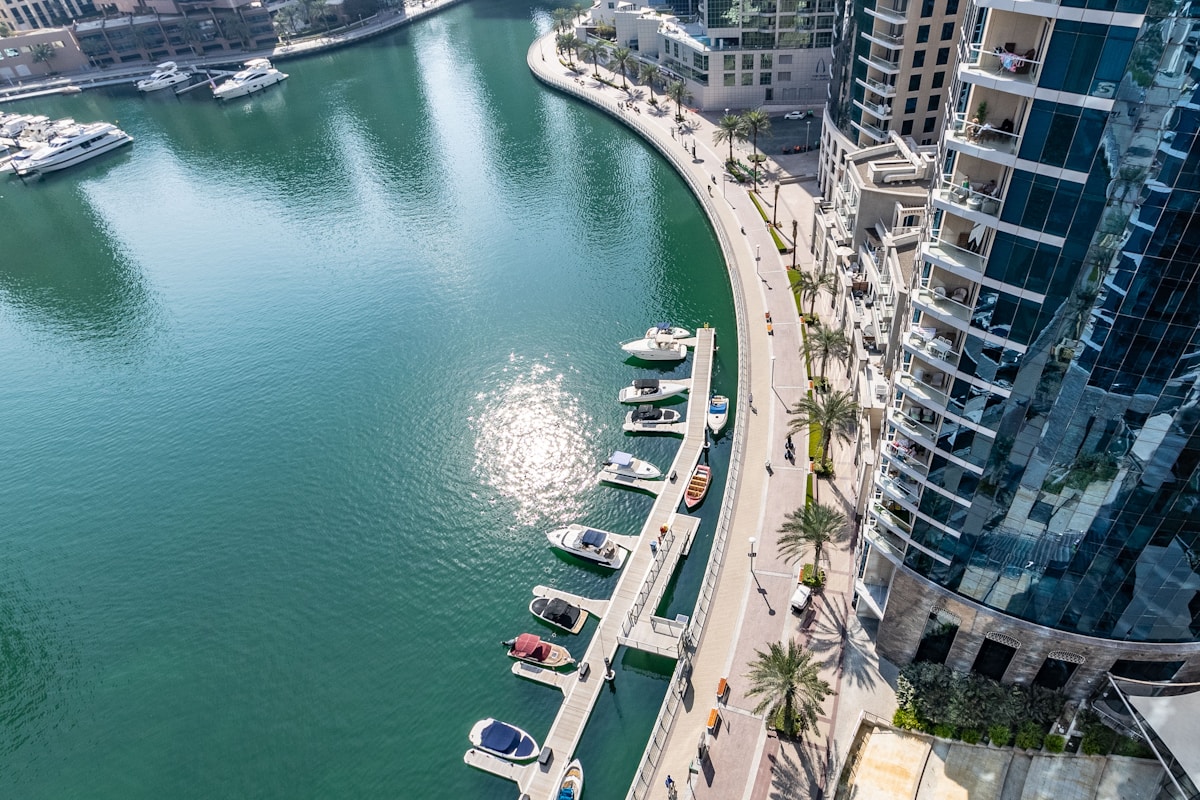
For more on specific aspects of Dubai: our things to do in Dubai guide covers over 30 experiences with prices and booking tips; the Dubai hotels guide breaks down every neighbourhood and price bracket in depth; shopping in Dubai covers the Gold Souk, Dubai Mall, Mall of the Emirates, and haggling tips; the Dubai Marina guide is worth reading if you plan to base yourself in the waterfront district; and our Dubai Mall guide is essential for navigating the world’s largest shopping mall efficiently. For dhow cruises on the Creek or Dubai Marina, see our dhow cruise guide. Dubai also makes an excellent base for day trips — our day trips from Dubai guide covers Abu Dhabi, Sharjah, Ras Al Khaimah, Fujairah, Al Ain, and Hatta with driving times and what to prioritise.
For specific attractions: the Burj Khalifa visitor guide covers ticket tiers, timing, and how to beat the queues; the Dubai Frame guide explains why it’s worth visiting alongside — not instead of — the Burj Khalifa; and our Dubai Creek and Deira guide covers the Al Fahidi district, Gold Souk, Spice Souk, and abra crossing in detail. For food, the Dubai restaurants guide and Dubai brunch guide cover both everyday eating and the famous Friday brunch circuit.
Frequently Asked Questions
- What is the best time to visit Dubai?
- November through March is the most comfortable period, with daytime temperatures between 20°C and 30°C. December and January are peak season and prices rise accordingly. Summer (June–September) is very hot (40°C+) but hotels drop rates significantly.
- How many days do you need in Dubai?
- Three to four days is enough to cover the main highlights — Downtown, the Creek, a desert safari, and the beach. Five to seven days lets you explore at a relaxed pace and add day trips to Abu Dhabi or Sharjah.
- Is Dubai expensive to visit?
- It depends on your choices. Budget travellers can manage on approximately AED 400–600 per day using the Metro and mid-range restaurants. A mid-range trip costs around AED 900–1,500 per day. Luxury travel is essentially unlimited in cost.
- Do I need a visa for Dubai?
- Citizens of around 50 countries receive a free visa on arrival, including the UK, US, EU, Australia, and Canada. Other nationalities need to apply in advance. See our UAE visa guide for full details.
- Is alcohol available in Dubai?
- Yes, alcohol is served in licensed venues — hotels, some restaurants, and designated bars and clubs. It is not sold in regular supermarkets. Drinking in public or being visibly intoxicated in public is illegal.
Upcoming Events in Dubai
- GITEX Global Technology Week 2026
dubai
GITEX Global is the world's largest technology trade show at Dubai World Trade Centre. Over 6,000 exhibitors and 180,000 visitors across five days.
- Dubai Food Festival 2026
dubai
Dubai Food Festival showcases the city's dining scene with special menus, pop-up kitchens, culinary masterclasses, and a waterfront food truck park.
Book an experience
Top experiences in Dubai
Explore the best tours and activities in Dubai — instant confirmation, free cancellation on most bookings.