Dubai vs Abu Dhabi for Luxury Travel: Which City Delivers More?
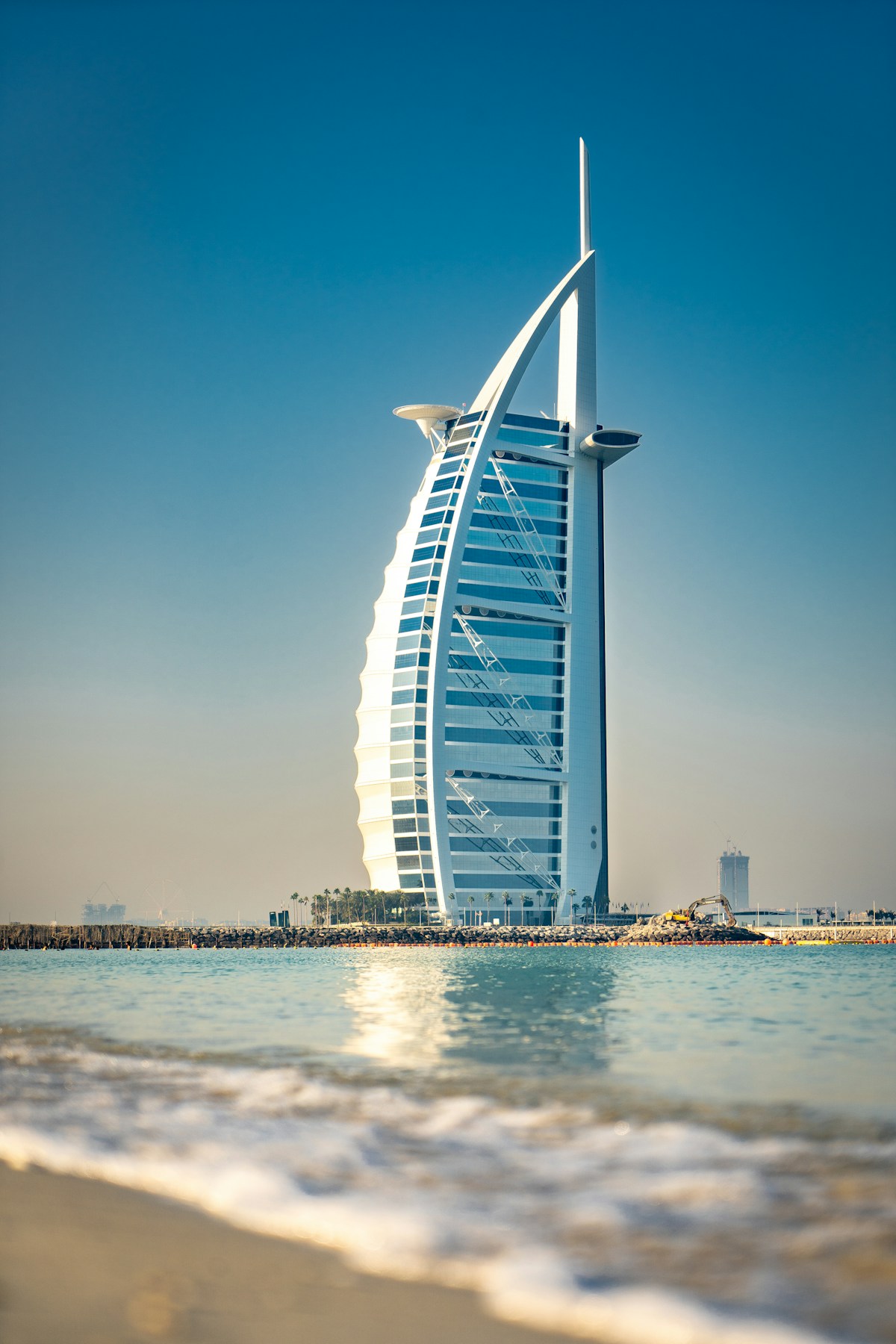
Dubai and Abu Dhabi are the UAE’s two flagship luxury destinations, 150 km apart, with meaningfully different personalities. Dubai is the city that built itself as a luxury spectacle — the tallest buildings, the most opulent beach clubs, the most competitive restaurant market. Abu Dhabi is the capital, quieter and more culturally substantive, with world-class hotels at lower prices and a tighter set of genuinely distinctive experiences.
This is an honest comparison across the categories that matter for luxury travel.
Hotels: Volume vs Value
Dubai has the higher volume of luxury properties and more extreme options. The Burj Al Arab is the most famous hotel in the Middle East — an all-suite, sail-shaped island hotel with rates starting from approximately AED 5,000 per night as of 2026. Below that: Bulgari Resort on Jumeirah Bay Island (intimate and contemporary), One&Only The Palm (understated ultra-luxury), Atlantis The Royal (theatrical, entertainment-focused). DIFC and Downtown have a dense cluster of Four Seasons, Address, and Jumeirah properties for more conventionally excellent business-and-leisure luxury.
Abu Dhabi has fewer properties but comparable peak quality. Emirates Palace Mandarin Oriental is the defining property — a 1.3 km beachfront palace with a private marina, gold-leaf interiors, and rates from approximately AED 3,000 per night. The Saadiyat Island cluster (Jumeirah at Saadiyat, St. Regis Saadiyat Beach, Rixos Premium Saadiyat) offers a genuine beach resort environment within 15 minutes of the city centre. Yas Island adds theme-park-adjacent options for families.
Verdict: Dubai for variety and extremes. Abu Dhabi for value and refinement. If you are spending more than three nights, Abu Dhabi’s prices make a meaningful difference to the overall trip cost.
Dining: Competition vs Intimacy
Dubai has the most competitive restaurant market in the Gulf. DIFC alone has over 30 acclaimed restaurants including Zuma, Nobu, Coya, and Tresind Studio (which holds a Michelin star). Palm Jumeirah adds Ossiano (one of the strongest tasting menu restaurants in the region) and a cluster of well-funded international imports. The sheer density means quality is high and bookings are competitive.
Abu Dhabi’s restaurant scene is smaller but not inferior. The Emirates Palace’s own dining — Le Vendôme, Butcher & Still — is excellent. Zuma and Coya both have Abu Dhabi outposts. The difference is that Abu Dhabi dining is more spread across hotel venues rather than concentrated in a standalone dining district like DIFC.
Verdict: Dubai for dining variety and the best standalone restaurant scene. Abu Dhabi if you prefer resort-style dining integrated into a quieter hotel experience.
Experiences: Spectacle vs Substance
Dubai’s luxury experiences tend toward the theatrical: helicopter flights over the Palm, yacht charter from Dubai Marina, private Burj Khalifa observation access, beach club days at SLS or Zero Gravity. These are well-executed and genuinely impressive, but the energy is outward-facing and crowd-adjacent.
Abu Dhabi’s luxury experiences are more culturally substantive: a private tour of the Sheikh Zayed Grand Mosque (one of the world’s great buildings), a guided visit to the Louvre Abu Dhabi with a specialist, a desert drive to the Liwa Empty Quarter with an overnight camp at Qasr Al Sarab Desert Resort. F1 at the Yas Marina Circuit in November is a highlight that Dubai cannot match.
Verdict: Dubai for sensory spectacle. Abu Dhabi for experiences that stay with you.
Beach Access
Dubai: The main luxury beach zones are Palm Jumeirah (resort beaches, largely privatised) and JBR/The Beach (public, with beach clubs). Palm Jumeirah hotel beaches are excellent — Atlantis, One&Only, and Bulgari all have genuine stretch and sun loungers that don’t require a meal minimum. JBR is more accessible but busier.
Abu Dhabi: Saadiyat Island is the standout — an undeveloped white-sand beach (some of the most pristine in the UAE) backed by the St. Regis and Jumeirah resorts. Less developed than Palm Jumeirah but superior in raw natural quality. Yas Bay Beach and the Corniche Public Beach are secondary options.
Verdict: Saadiyat Island is the better beach in objective terms. Palm Jumeirah’s resort infrastructure is more complete.
Budget Comparison
| Category | Dubai (approx.) | Abu Dhabi (approx.) |
|---|---|---|
| Ultra-luxury hotel per night | AED 3,000–5,000+ | AED 2,500–4,000 |
| Mid-tier luxury hotel per night | AED 1,400–2,500 | AED 1,200–2,000 |
| Fine dining, 3 courses | AED 400–700/person | AED 350–600/person |
| Private transfer between cities | — | AED 350–500 |
| Yacht charter (half-day, 4-person) | AED 2,000–4,000 | AED 1,500–3,000 |
Abu Dhabi runs roughly 20–30% less expensive across all luxury categories. On a 5-night trip, that difference compounds.
Which City Should You Choose?
Choose Dubai if: This is your first UAE trip and you want the maximum-spectacle version, you are primarily here for nightlife and the dining scene, or you want the Burj Khalifa experience as your centrepiece.
Choose Abu Dhabi if: You have done Dubai before and want something culturally richer, you are primarily motivated by beach quality and resort calm, or you want to combine luxury with the Sheikh Zayed Mosque, Louvre, and Liwa desert.
Do both if: You have 6+ nights. Split 3–4 nights in Dubai with 2–3 nights in Abu Dhabi. The contrast enhances both. A private transfer between the two city centres takes approximately 90 minutes and costs AED 350–500.
Frequently Asked Questions
- Is Dubai or Abu Dhabi better for luxury hotels?
- Dubai has more luxury hotels and greater variety — from the Burj Al Arab to Bulgari Resort. Abu Dhabi has the Emirates Palace and Saadiyat Island resorts, which are arguably more refined and 20–30% less expensive. If spectacle and sheer choice matter most, Dubai. If you want a quieter luxury stay with genuine cultural depth, Abu Dhabi.
- Which is more expensive for luxury travel — Dubai or Abu Dhabi?
- Dubai is generally 20–30% more expensive for equivalent luxury. A room at the Burj Al Arab starts from approximately AED 5,000 per night versus AED 3,000 for Emirates Palace Mandarin Oriental. Restaurants in DIFC and Palm Jumeirah also tend to run higher than equivalent Abu Dhabi venues.
- Can you visit both Dubai and Abu Dhabi on a luxury trip?
- Yes — the cities are 150 km apart and connected by a smooth 90-minute highway drive. A common itinerary is 4 nights in Dubai and 2 nights in Abu Dhabi, or vice versa. Private transfers cost approximately AED 350–500 between the two city centres.
- What unique luxury experiences does Abu Dhabi offer that Dubai doesn't?
- The Louvre Abu Dhabi, the Sheikh Zayed Grand Mosque, F1 at the Yas Marina Circuit, and the Liwa desert (Empty Quarter) are all Abu Dhabi-exclusive. Dubai's equivalents — the Burj Khalifa, Palm Jumeirah, Dubai Opera — are more infrastructure-focused.
Sorted your stay?
Here's how to get there, and get around once you arrive.
Airport Transfer
Fixed-price airport pickup: driver meets you at arrivals, no haggling.
Book a Transfer →Car Hire
Compare rates from local and international suppliers: 90-day price lock included.
Compare Cars →Same price as booking direct: we earn a small commission at no extra cost to you.