First Time in the UAE: What Every Visitor Needs to Know
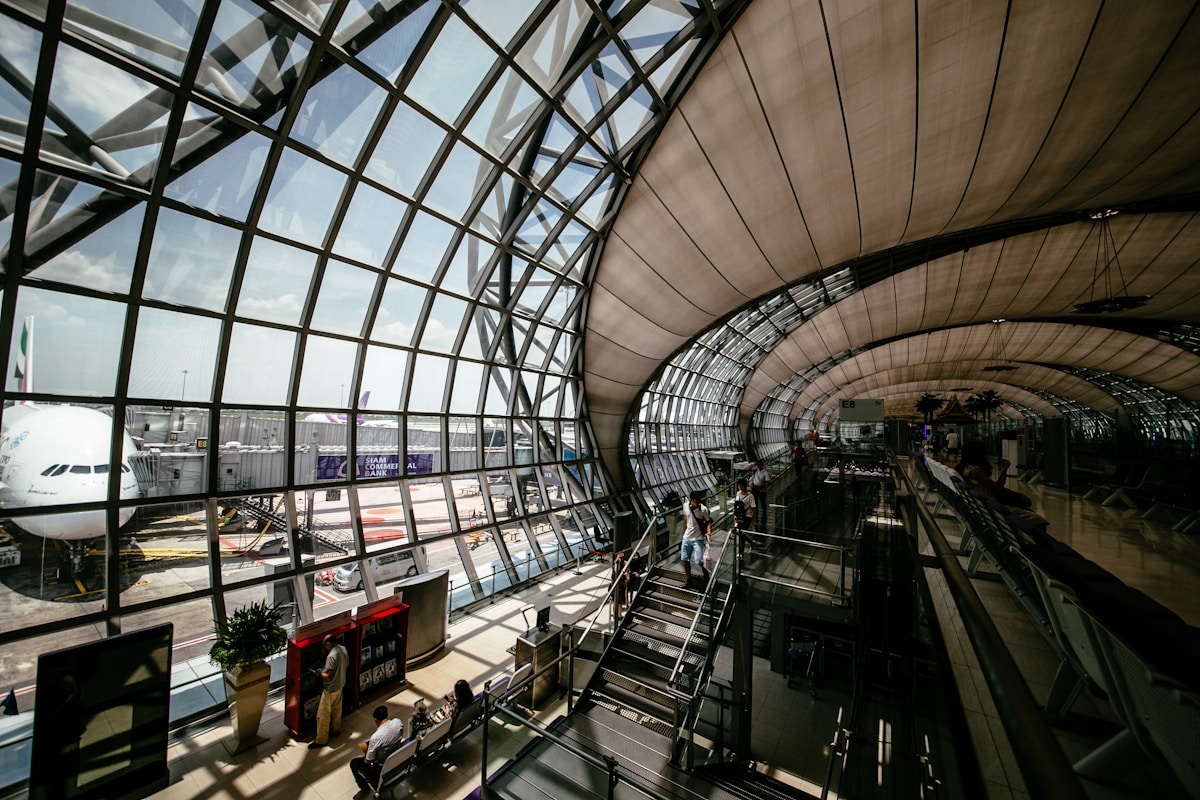
The UAE is straightforward to visit if you know the basics. The infrastructure is excellent, English is spoken everywhere in tourist contexts, and the hospitality industry is highly practised at looking after international visitors. These are the things worth knowing before you arrive.
Visa
Around 50 nationalities receive a visa on arrival for up to 30 days (extendable once for another 30 days). This includes UK, US, EU (all Schengen), Australia, Canada, Japan, South Korea, and most Western countries. Other nationalities need to apply in advance through the official UAE portal or through an airline.
See our UAE visa guide for the full list of eligible nationalities and the application process.
Currency and Money
UAE Dirham (AED). The dirham is pegged to the USD at approximately 3.67 AED. Approximate exchange rates as of 2026: 1 GBP ≈ AED 4.7, 1 EUR ≈ AED 3.9.
Cash vs. card: Cards are accepted almost everywhere in the UAE — shops, restaurants, taxis, and attractions. However, markets (souks), small stalls, and abra water taxis only take cash. Carry AED 100–200 in notes for incidental cash spending.
ATMs: Abundant in all cities. International Visa and Mastercard work everywhere.
Tipping: Not mandatory but appreciated. A 10% tip at restaurants is standard (service charge is sometimes added automatically). Taxi drivers are not typically tipped but rounding up is customary.
Getting Around
Within Dubai: The Metro covers the main tourist routes efficiently and cheaply (AED 2–8.50). Taxis are metered, plentiful, and affordable. Careem (Uber-owned) works as a ride-hailing app.
Between emirates: No public transport covers all seven emirates efficiently. Renting a car in the UAE gives the most flexibility. Taxis can be hired for inter-emirate trips for a fixed price — useful for Abu Dhabi (approximately AED 250–350 one-way from Dubai).
Airport transfers: For a stress-free arrival, Welcome Pickups or GetTransfer offer pre-booked transfers with a named driver meeting you at arrivals — a fixed price agreed in advance, no metered surprises.
See our getting around Dubai guide for full details.
Dress Code
Public streets and souks: Cover shoulders and knees. This applies to both men and women. Shorts that reach the knee are generally acceptable; very short shorts are not.
Malls and shopping centres: Smart casual. Bare shoulders and very revealing clothing are technically against mall policy, though enforcement varies.
Mosques and religious sites: Both men and women must cover their full arms and legs. Women must also cover their hair. Mosques in tourist areas provide coverings for free at the entrance.
Beach and pool: Swimwear is perfectly acceptable at the beach, pool, and designated beach areas. Do not walk from the beach through a souk in a bikini.
Sharjah: Has stricter standards — cover up in all public areas without exception.
Cultural Norms
- Ramadan requires respectful behaviour — avoid eating, drinking, or smoking in public during daylight hours; many venues close until sunset
- Public displays of affection should be modest — kissing or heavy contact in public can attract legal attention
- Photography: generally permitted in public; avoid photographing government buildings, military sites, and people without consent
- The left hand is considered unclean in Islamic culture — use your right hand for greetings, receiving items, and eating
- Greetings: “As-salamu alaykum” (peace be upon you) is always appreciated and expected if entering a local environment; “shukran” (thank you) goes a long way
Communication
Language: Arabic is the official language but English is the effective language of business, tourism, and much of daily life. You can navigate the entire tourist circuit without Arabic, though learning a few words is appreciated. Our basic Arabic phrases guide covers greetings, numbers, and useful travel vocabulary — worth five minutes before you land.
SIM/eSIM: Getting a local SIM card makes navigation, Careem, and communication far easier. Etisalat (branded as e&) and du are the two operators. Tourist SIM cards are available at the airport and in most malls from approximately AED 50–100 for 10–30 GB data packages. See our UAE SIM guide.
Power sockets: UK-style three-pin (G) sockets are standard. Adaptors are available at the airport and all supermarkets.
Practical Tips
- Never point the base of your feet at someone — it is considered rude in Islamic culture
- Dubai taxis officially cannot refuse a trip for destinations within their operating zone
- The Dubai Metro has dedicated ladies-only and family carriages at the front of each train
- Hotels often set air conditioning extremely cold — bring a light layer for interiors
- Most tap water is technically safe but most people drink bottled or filtered water
For more practical detail, see our UAE packing list, UAE safety guide, and UAE visa guide.
Sorting flights early helps considerably — Aviasales compares fares across airlines and typically shows the cheapest booking windows 8–12 weeks out. VisitorsCoverage is a solid option for UAE travel insurance, covering medical, cancellation, and activities. An Airalo UAE eSIM gives you local data from arrival without needing to find a Etisalat or Du counter at the airport.
Choosing Your Base
Most first-time visitors base themselves in Dubai, but the UAE’s seven emirates each offer a distinct experience. We have comparison guides to help you decide: Dubai vs Abu Dhabi covers the two biggest cities; Dubai vs Doha and Dubai vs Singapore are useful if you are choosing between Gulf and Asia options for a wider trip. For shorter visits to the northern emirates, Sharjah vs Ajman and Ras Al Khaimah vs Fujairah help distinguish the UAE’s less-visited coasts. If Abu Dhabi is on your itinerary, Abu Dhabi vs Al Ain explains what each city offers on a day trip. The UAE vs Saudi Arabia guide is useful for travellers considering both destinations on the same trip.
A practical note on costs: the UAE attractions tickets guide consolidates entry fees for all major paid sites, which helps significantly with budgeting before you book.
Plan Your Trip
✈️ Book your flights to the UAE 🛡️ Get travel insurance 📱 Stay connected with an eSIM 🚗 Rent a car
Book an experience
Practical in the area
Best price guaranteed · Instant confirmation · Free cancellation on most bookings
Frequently Asked Questions
- Is the UAE safe for tourists?
- Yes — the UAE consistently ranks among the safest countries in the world for visitors. Violent crime rates are very low and tourist-targeting scams are minimal. The main practical concerns are traffic (road accident rates are higher than the UK/Europe) and heat-related illness in summer.
- What currency is used in the UAE?
- The UAE Dirham (AED). The exchange rate is pegged to the US Dollar at approximately 3.67 AED to 1 USD. Exchange rates for GBP, EUR, and AUD fluctuate but hover around AED 4.5–5.0 per GBP and AED 3.8–4.0 per EUR as of 2026.
- Do I need to dress modestly in the UAE?
- In public spaces outside of beach and pool areas, yes. Covering shoulders and knees is expected. Bikinis and swim shorts are appropriate only at the beach, pool, or in your hotel. Dubai is more relaxed than Sharjah; the general rule is: if you are walking down a public street, cover up.
- Can you drink alcohol in the UAE?
- Alcohol is available in licensed venues — hotels, some restaurants, and specific bars. It is not available in regular supermarkets (except for residents in some emirates). Drinking in public spaces or being visibly drunk in public is illegal. Sharjah is a dry emirate with no alcohol at all.