UAE vs Saudi Arabia: Which Should You Visit?
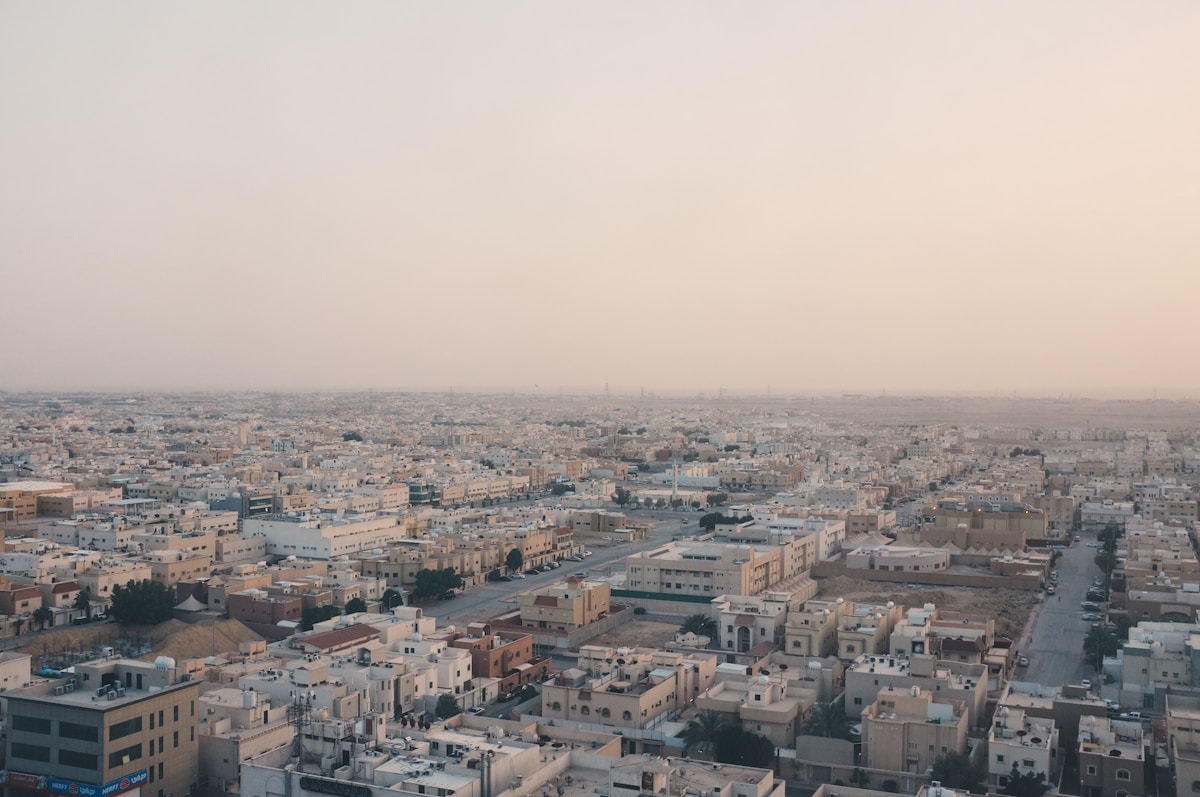
Saudi Arabia opened to international tourism in 2019 after decades of near-total closure. The UAE has been a major tourism destination for much longer. Both are Gulf countries with Islamic culture, world-class luxury, and dramatic desert landscapes — but they are fundamentally different experiences for visitors. Here is a direct comparison for travellers deciding between them.
| Category | UAE | Saudi Arabia |
|---|---|---|
| Visa access | 180+ nationalities free | 56+ nationalities e-visa |
| Alcohol | Available in licensed venues | Complete ban |
| Female solo travel | Easy and established | Now safe; was restricted pre-2019 |
| Tourism infrastructure | Mature | Developing fast |
| Budget hotel (per night) | AED 200–500 (USD 55–135) | SAR 200–600 (USD 55–160 / AED 200–590) |
| Beaches | Developed | Beautiful but less infrastructure |
| Culture/heritage | Strong | Exceptional (UNESCO sites) |
| Nightlife | Extensive in Dubai | Entertainment venues, no alcohol |
Visa and Entry
The UAE offers one of the world’s most accessible visa regimes. Citizens of over 180 nationalities receive a free 30–90 day visa on arrival or via a quick online process. See our first-time UAE guide for the current procedure.
Saudi Arabia launched its tourist e-visa in 2019. As of 2026, it covers 56+ nationalities — mainly Western European, American, Australian, and some East Asian passports. The application is online and costs approximately SAR 300 (AED 300) for a one-year multiple-entry visa. South Asian passport holders (India, Pakistan, Bangladesh, Sri Lanka) who don’t require a UAE visa may still require advance Saudi visa processing — check the official Saudi tourism portal for your specific passport.
Verdict: UAE wins on visa accessibility, especially for South Asian and African passport holders.
Alcohol and Social Life
This is a fundamental dividing line. The UAE has a licensed alcohol scene across Dubai, Abu Dhabi, Ras Al Khaimah, and Fujairah — hotels, restaurants, bars, and beach clubs all serve alcohol freely to adults. Dubai’s nightlife is one of the most developed in Asia.
Saudi Arabia has a complete and enforced alcohol ban. There are no exceptions — not in hotels, embassies, or tourist zones. Entertainment has expanded significantly since 2019: cinemas are open, concerts happen regularly, and mixed-gender social spaces have become the norm. But the social life is fundamentally different from the UAE’s.
Verdict: UAE if alcohol access or nightlife matters. Saudi Arabia for a genuinely different cultural experience.
Culture and Heritage
Both countries have rich history, but Saudi Arabia’s heritage is of a different scale.
Saudi Arabia is home to five UNESCO World Heritage Sites including Al-Ula — one of the most extraordinary archaeological destinations in the world. Al-Ula’s Hegra (Nabataean tombs cut into sandstone outcrops, similar to Petra in Jordan) is a must-see. Diriyah on the outskirts of Riyadh was the birthplace of the Saudi kingdom and is undergoing a massive heritage restoration. Jeddah’s Al-Balad historic quarter is a UNESCO site of remarkable old coral-stone merchant houses. The sheer age and variety of what Saudi Arabia contains — from pre-Islamic civilisations to Islamic heritage to Ottoman forts — is extraordinary.
The UAE has strong cultural infrastructure: the Sheikh Zayed Grand Mosque (one of the world’s most beautiful buildings), the Louvre Abu Dhabi, and the Al Fahidi Historical District in Dubai. But the UAE is a young country (founded 1971) and doesn’t have the depth of history that Saudi Arabia carries.
Verdict: Saudi Arabia for heritage depth, particularly Al-Ula. UAE for cultural infrastructure and museums.
Beaches and Nature
The UAE has well-developed beach infrastructure across its Gulf coast. Dubai’s Kite Beach, JBR, and Abu Dhabi’s Saadiyat Beach are all excellent and easily accessible. Desert experiences — dune bashing, camel rides, overnight camps — are highly accessible from Dubai. See our desert guide for options.
Saudi Arabia has the Red Sea on its west coast and the Arabian Gulf on its east, plus the extraordinary landscape of Asir in the south and the Hejaz in the north-west. The Red Sea dive sites near Jeddah are among the world’s best, with pristine reef systems. NEOM (the futuristic new development in the north-west Tabuk province) is beginning to offer tourism access to what is genuinely one of the planet’s most dramatic desert and coastal landscapes. However, infrastructure outside major cities and resort zones remains limited.
Verdict: UAE for developed beach days. Saudi Arabia for raw nature and diving potential on the Red Sea.
Cost
The UAE is better established as a mid-range tourist destination, with more competition driving prices down. A decent mid-range hotel in Dubai costs approximately AED 300–500 per night as of 2026; in Riyadh or Jeddah, comparable quality costs approximately SAR 300–600 (AED 300–590). Both are similar in price at this tier.
The UAE wins clearly at the budget end — there are more options below AED 200 per night in Dubai and Sharjah than exist in Riyadh or Jeddah. Saudi Arabia’s tourism infrastructure is expanding rapidly but budget travellers have fewer choices.
Restaurants in both countries are similar in price at the mid-range tier. Saudi Arabia is slightly cheaper for local cafes and traditional food. The UAE wins on variety.
Verdict: UAE is marginally cheaper and has more budget options. Both are expensive compared to Southeast Asia or Eastern Europe.
Best For
Choose the UAE if: This is your first time in the Gulf, you want developed tourism infrastructure, beach and nightlife access, or you’re travelling on a tight schedule. See our UAE travel guides for planning help.
Choose Saudi Arabia if: Heritage and archaeology are a priority (Al-Ula specifically is a world-class destination), you want to be ahead of the tourism curve, or you’re interested in how the country is changing under Vision 2030 reforms.
Visit both if: You’re doing a dedicated Gulf trip of 10 or more days. Riyadh and Dubai are one flight apart (about two hours). A split itinerary combining Al-Ula, Jeddah, and the UAE gives you one of the most distinctive travel combinations currently available anywhere.
Aviasales lets you compare flights into Dubai, Abu Dhabi, and Sharjah airports side by side — useful when trying to find the cheapest entry point. GetYourGuide lists tours, desert safaris, and city experiences across all UAE emirates with confirmed availability and cancellation options.
Plan Your UAE Visit
- First-time UAE guide
- UAE visa guide
- Dubai travel guide
- Abu Dhabi travel guide
- 7-day UAE itinerary
- Dubai vs Abu Dhabi comparison
Plan Your Trip
✈️ Book your flights to the UAE 🛡️ Get travel insurance 📱 Stay connected with an eSIM 🚗 Rent a car
Book an experience
Practical in the area
Best price guaranteed · Instant confirmation · Free cancellation on most bookings
Frequently Asked Questions
- Which is easier to get a visa for — UAE or Saudi Arabia?
- The UAE is significantly easier. Over 180 nationalities receive a free visa-on-arrival or free e-visa. Saudi Arabia opened tourism visas in 2019 and now offers e-visas to 56+ nationalities, but the list is narrower and the process requires advance planning.
- Can you drink alcohol in the UAE and Saudi Arabia?
- In the UAE, alcohol is available in licensed hotels, bars, and restaurants across Dubai, Abu Dhabi, Ras Al Khaimah, and Fujairah. Saudi Arabia has a complete alcohol ban — no exceptions.
- Is Saudi Arabia safe for solo female travellers?
- Saudi Arabia has changed significantly since 2019. Women no longer require a male guardian to travel, can drive, and can stay in hotels independently. The UAE has long been safe for solo female travellers. Both countries are considered safe, though dress codes apply in both.
- Is the UAE or Saudi Arabia more expensive?
- Both can be expensive. Saudi Arabia's tourism infrastructure is less developed, which means fewer budget options outside Riyadh and Jeddah. The UAE has a broader range of accommodation options at every price point and more competition, keeping mid-range costs lower.
- Which country has better beaches?
- The UAE has more developed beach infrastructure. Dubai and Abu Dhabi have multiple well-maintained public and private beaches. Saudi Arabia has stunning Red Sea coastline (especially near Jeddah and the new NEOM region) but infrastructure is still developing in most areas.