Is the UAE Safe? A Traveller's Guide
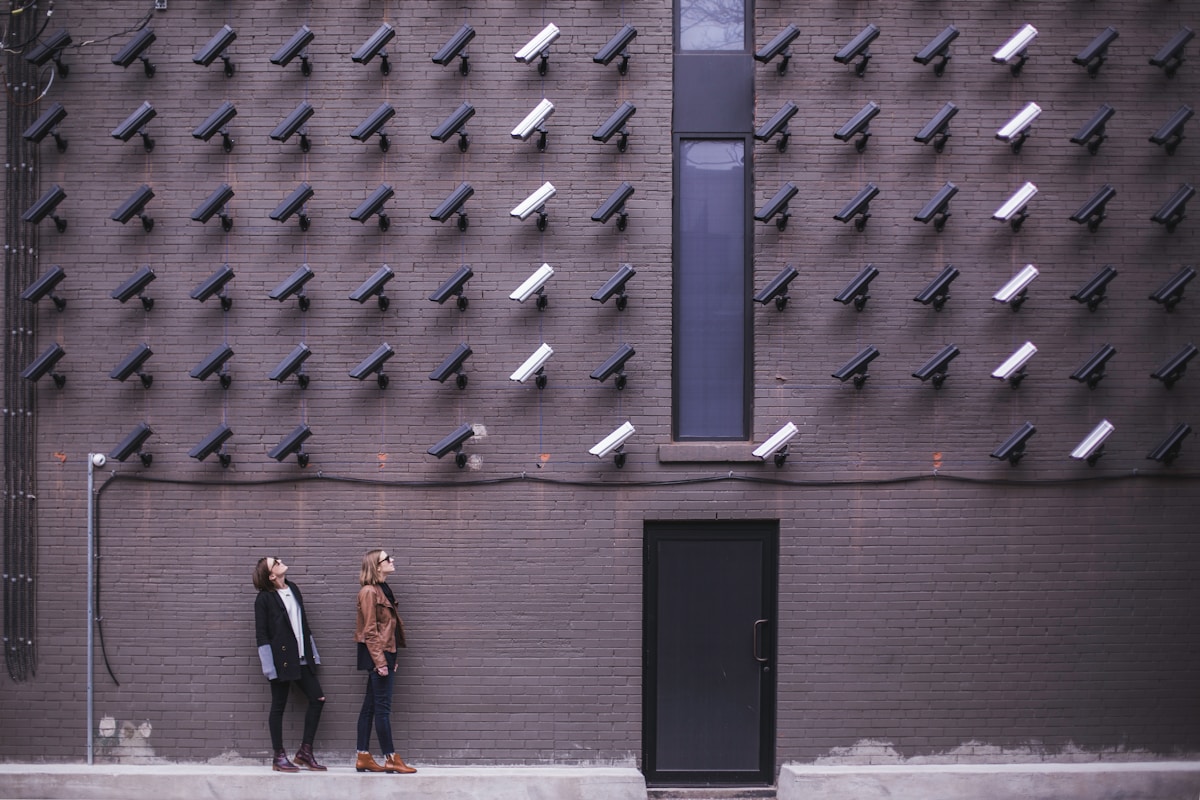
The UAE is one of the safest countries in the world by most conventional crime metrics. Violent crime against tourists is extremely rare. Pickpocketing is uncommon compared to European cities. The main risks for visitors fall into two categories: legal risks from behaviour that is criminal in the UAE but legal elsewhere, and physical risks from heat and road traffic.
Crime and General Safety
Violent crime: The UAE has one of the lowest violent crime rates in the world. The risk of being mugged, assaulted, or robbed in tourist areas is very low. This applies to both men and women.
Petty theft: Uncommon but not zero. Leaving valuables unattended at the beach or in an unsecured car does occasionally result in theft. Standard precautions apply.
Tourist scams: Dubai has less scam culture than many tourist cities — the police maintain a visible presence and the penalties for targeting tourists are significant. The main exception is on-street travel desk bookings for tours and safaris, where quality can be variable and prices inflated.
Taxis: Licensed Dubai Taxi Corporation taxis are metered and reliable. Unlicensed or unofficial taxis should be avoided — use Careem or official taxis.
Legal Risks
The UAE legal code differs significantly from Western countries. The following behaviours that are legal or minor offences in many countries carry serious legal risk in the UAE:
Drugs: Zero tolerance. Any quantity of narcotics — including cannabis, MDMA, and other recreational substances — results in arrest and likely imprisonment (minimum 4 years). Possession of trace amounts in luggage or clothing has led to arrests. Some over-the-counter medications in home countries are controlled substances in the UAE.
Alcohol: Legal in licensed venues but illegal to be drunk in public or to drink in public spaces. Drunk and disorderly behaviour is arrestable.
Same-sex relationships: Male homosexual acts are illegal under UAE federal law and potentially under Sharia law. Discretion is strongly advised. Public displays of same-sex affection have led to arrests.
Social media: Posting content critical of the UAE government, its leaders, Islam, or its policies can result in deportation or prosecution under cybercrime laws. This has affected tourists.
Photography: Photographing government buildings, military sites, ports, and individuals without consent is restricted. Being overly persistent with a camera near official buildings has led to police questioning.
Dress code violations: Can technically result in a fine, though enforcement is more common in Sharjah than Dubai.
Road Safety
The UAE has a significantly higher road traffic fatality rate than the EU or UK. Reasons include:
- High-speed motorways (120–140 km/h limit, often exceeded)
- Aggressive tailgating culture
- Wildlife (camels) on desert roads at night — a genuine hazard
- Tired drivers (long working hours)
Practical tips:
- Maintain speed limits and do not tailgate back
- Avoid driving desert roads at night outside of the main highway network
- Use seatbelts — mandatory and enforced
- Never drink and drive — zero tolerance applies
Health
Medical care: Excellent in Dubai and Abu Dhabi. Major hospitals (American Hospital Dubai, Cleveland Clinic Abu Dhabi, Mediclinic) have English-speaking staff and high-quality facilities. Treatment is not free — travel insurance covering medical evacuation is strongly recommended.
Heat illness: Dehydration, heat exhaustion, and heat stroke are genuine risks from May–September. Drink at least 2 litres of water per hour during outdoor activity in summer. The symptoms of heat stroke (confusion, stopping sweating, very high body temperature) require immediate hospital attention.
Water: Tap water in Dubai and Abu Dhabi is technically safe to drink but most residents and visitors prefer bottled water. Bottled water is inexpensive (approximately AED 1–2 for 500 ml).
Vaccinations: No specific vaccinations are required for UAE entry. Standard travel health recommendations apply (hepatitis A, typhoid for longer trips; routine vaccinations up to date).
Travel Insurance
Travel insurance is strongly recommended — medical care is excellent but expensive without coverage. See our UAE travel insurance guide for coverage recommendations.
Emergency Numbers
| Service | Number |
|---|---|
| Police | 999 |
| Ambulance | 998 |
| Fire | 997 |
| Coast Guard | 996 |
| Non-emergency police (Dubai) | 901 |
Tourist police are deployed in high-traffic areas in Dubai — identifiable by their white uniforms with “Tourist Police” patches. They speak English and are generally approachable for non-emergency assistance.
LGBTQ+ Travellers
Male homosexual acts are criminalised under UAE federal law. This affects foreign visitors as well as residents. Same-sex couples visiting the UAE are strongly advised to exercise discretion — avoid public displays of affection, and be aware that hotel bookings in two names of the same sex are generally not questioned, but any overt display in public is a genuine legal risk.
Female same-sex relationships are not explicitly criminalised in the same way but carry similar cultural and legal risk. The practical advice is the same: discretion.
LGBTQ+ travellers do visit the UAE in large numbers without incident. The risk relates to overt public behaviour, not to private life.
Sorting flights early helps considerably — Aviasales compares fares across airlines and typically shows the cheapest booking windows 8–12 weeks out. VisitorsCoverage is a solid option for UAE travel insurance, covering medical, cancellation, and activities. An Airalo UAE eSIM gives you local data from arrival without needing to find a Etisalat or Du counter at the airport.
Avoiding Scams
The UAE has less scam culture than tourist cities in Southeast Asia, but a few situations to be aware of:
Desert safari bookings: Street-level travel desks near tourist areas (Deira, near the Burj Khalifa) offer safari packages at reduced prices that often deliver lower-quality experiences or misleading transport arrangements. Book through your hotel concierge or a named operator (Platinum Heritage, Arabian Adventures, Big Bus Tours) for predictable quality.
Gold Souk bargaining: Prices for gold jewellery are linked to the real-time gold price, which is posted on large boards throughout the souk. Pay at or near the current gold price — you are negotiating the “making charge” (craftsmanship fee), not the gold price itself. Making charges of 5–15% above gold weight are reasonable; 30%+ is being overcharged.
Taxi touts at the airport: Use the official Dubai Taxi Corporation ranks or pre-book via Careem. Unofficial touts offer “flat rate” rides that are typically 2–3x the metered price.
For the current travel advisory picture, both Australia reduced its UAE travel warning and the UK lifted its UAE travel advisory in mid-2026 following the US–Iran peace deal — see those news articles for details. Note that entry restrictions can change; check UAE visa eligibility before travel if you hold a passport from a country affected by regional disputes, as the UAE suspended new visas for some nationalities in June 2026 due to Ebola concerns.
Plan Your Trip
✈️ Book your flights to the UAE 🛡️ Get travel insurance 📱 Stay connected with an eSIM 🚗 Rent a car
Book an experience
Practical in the area
Best price guaranteed · Instant confirmation · Free cancellation on most bookings
Frequently Asked Questions
- Is Dubai safe for solo female travellers?
- Generally yes — Dubai has very low rates of physical harassment and violent crime. Street harassment is uncommon. Solo women travelling in the main tourist areas report feeling safe. Standard urban caution applies: stay aware of your surroundings at night, avoid isolated areas alone, and trust your instincts.
- What are the main legal risks for tourists in the UAE?
- The main risks are behaviours that are legal at home but illegal in the UAE: being drunk in public, possessing drugs (even small quantities), certain social media posts criticising the government or religion, engaging in same-sex public displays of affection, and any form of sexual activity outside marriage. Ignorance of the law is not considered a defence.
- Are there any health risks in the UAE?
- Heat-related illness is the most significant health risk, particularly in summer. Medical standards are excellent in Dubai and Abu Dhabi — hospitals are well-equipped and English-speaking medical staff are common. Mosquitoes are present in some areas (particularly near water bodies) — dengue cases are rare but use repellent near mangroves.