Best Time to Visit the UAE: Month-by-Month Guide
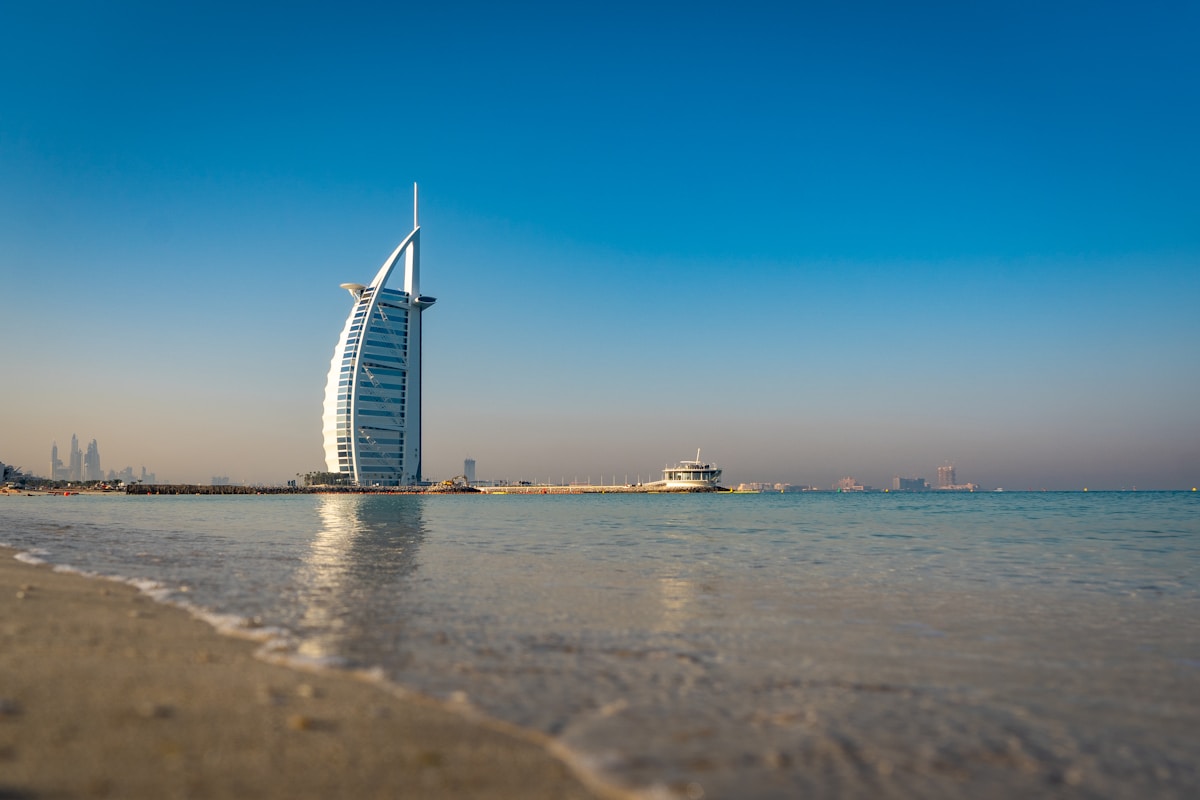
The UAE has two distinct travel seasons: a comfortable winter (November–April) and a brutally hot summer (June–September). Most visitors come between October and March, which produces crowded peak periods but genuinely pleasant weather. Understanding the pattern helps you avoid school holiday price spikes and find the best balance of conditions for your specific activities.
UAE Weather Overview
| Month | Avg High (°C) | Avg Low (°C) | Humidity | Rain Days | Notes |
|---|---|---|---|---|---|
| January | 24°C | 14°C | Low | 2 | Peak season, ideal conditions |
| February | 26°C | 15°C | Low | 2 | Excellent — slightly cheaper than Jan |
| March | 30°C | 18°C | Low | 2 | Good — some warm days |
| April | 36°C | 22°C | Moderate | 1 | Getting warm, shoulder season |
| May | 41°C | 27°C | Moderate | 0 | Hot — outdoor activities limited |
| June | 43°C | 30°C | High | 0 | Very hot and humid |
| July | 44°C | 31°C | High | 0 | Peak heat, cheapest hotel rates |
| August | 44°C | 31°C | Very High | 0 | Hottest month |
| September | 40°C | 28°C | High | 0 | Still very hot |
| October | 36°C | 24°C | Moderate | 0 | Shoulder — warming up again |
| November | 30°C | 20°C | Low | 1 | Good — peak season beginning |
| December | 26°C | 16°C | Low | 1 | Peak season, higher prices |
Temperatures are for Dubai; Abu Dhabi is very similar. Ras Al Khaimah and Fujairah are slightly cooler in summer.
Peak Season: November to March
This is the main travel window. The weather is reliably good — clear blue skies, temperatures in the 20s to low 30s°C, and low humidity. All outdoor attractions operate normally.
Drawbacks: Hotel rates are at their highest, particularly in December around Christmas and New Year and again in late March. Eid Al Fitr (end of Ramadan, approximately late March/early April in 2026) is the single most expensive time to visit — flights and hotels book out months in advance.
Best for: Everything — beach, desert safaris, outdoor sightseeing, golf, watersports, day trips to Oman’s Musandam.
Shoulder Season: April and October
April is warm but manageable in the mornings, though afternoon outdoor activities become uncomfortable as temperatures push toward 36°C. October is similar — still hitting the high 30s but cooling fast as the month progresses. Hotel rates begin to drop in April and reach their lowest in May.
Best for: Visitors on tighter budgets who can structure days around early morning and indoor afternoon activities.
Off-Peak (Summer): May to September
Temperatures exceed 40°C from June to September, and humidity in Dubai makes the heat feel worse. This is the local school holiday period and many UAE residents travel abroad. The country continues to function — malls are busy, indoor attractions operate normally — but outdoor experiences like desert safaris and beach days are best avoided after 8:00 AM.
Why go anyway?
- Hotel rates drop by 40–60% from peak season levels. A hotel charging AED 800 per night in February may be AED 350 in July as of 2026.
- Dubai Mall, Mall of the Emirates, and all major indoor attractions are uncrowded.
- Some beach clubs and water parks run summer promotions with reduced day passes.
- Abu Dhabi’s cultural attractions (Sheikh Zayed Grand Mosque, Louvre Abu Dhabi) are air-conditioned and unaffected.
Best for: Budget travellers, indoor-focused trips, repeat visitors who have already done the outdoor highlights.
Ramadan: What to Expect
Ramadan is a significant factor for visitors. In 2026, it falls approximately 20 February – 21 March (lunar calendar; exact dates confirmed by moon sighting and may shift by a day).
What changes:
- Alcohol is not served in public spaces during daylight hours. Hotel bars serving hotel guests may continue, but restaurant alcohol service stops until after sunset.
- Many restaurants close during daytime or offer a reduced Iftar-focused menu after sunset.
- Playing loud music in public spaces and eating in public during daylight hours is technically prohibited for non-Muslims, though enforcement in tourist areas is generally light.
- Business hours shorten and traffic patterns change around Iftar (sunset meal) — roads become very busy in the hour before sunset as people head home.
What doesn’t change:
- Major malls, tourist attractions, and hotels all operate normally.
- Non-Muslim visitors are not required to fast.
- Hotel buffet breakfasts and room service continue as normal.
- Ramadan evenings — after Iftar — are actually lively, with special food stalls, outdoor events, and a distinctive atmosphere.
Eid Al Fitr (immediately following Ramadan, approximately 21–25 March 2026) is the peak of peak season — book months ahead if visiting then.
Best Months by Activity Type
Beach and water sports: November–April. Water temperature is ideal (24–28°C). Summer sea temperatures exceed 32°C and the beach is largely unusable before 8:00 AM.
Desert safaris and dune bashing: October–April. Night-time temperatures in the desert are comfortable and the experience is properly enjoyable. Summer desert trips exist but most operators run shortened evening versions only.
Golf: November–March. Most courses are designed to be playable year-round but the experience is vastly better in the cooler months. Green fees are also higher in peak season.
Diving and snorkelling: Best visibility October–May in Fujairah. Summer brings warmer water but reduced visibility.
Abu Dhabi cultural attractions: Year-round — all major sites are air-conditioned. The Sheikh Zayed Grand Mosque is best photographed in the cooler months when morning light is cleaner.
Dubai shopping and indoor attractions: Year-round, but summer is quietest — malls are emptier on weekday mornings and you can book popular attractions like Ski Dubai without queuing.
Hiking in Ras Al Khaimah or Hatta: October–April strictly. Summer mountain temperatures are dangerous for extended outdoor activity.
Public Holidays to Note (2026)
UAE public holidays affect government office hours and some attractions. Key dates:
- New Year’s Day: 1 January
- Eid Al Fitr: approximately 21–23 March 2026 (3–4 days; exact dates by moon sighting)
- Eid Al Adha: approximately late May/early June 2026 (3 days)
- Islamic New Year: approximately June 2026
- UAE National Day: 2–3 December
National Day (2–3 December) brings fireworks and events but also significantly higher hotel rates in the week surrounding it. Book ahead if visiting in late November or early December.
Frequently Asked Questions
- What is the best month to visit Dubai?
- November to March is the sweet spot — temperatures are in the low-to-mid 20s°C, skies are clear, and outdoor activities are fully viable. December and January are peak season with higher hotel rates. February and March offer near-identical weather with somewhat better value.
- Is the UAE worth visiting in summer?
- June to August is very hot (38–45°C with high humidity in Dubai) and outdoor activities are limited to early mornings. That said, hotels are significantly cheaper, malls are empty, and beach clubs run promotions. If your trip is largely indoor-focused, summer can work well on a tight budget.
- When is Ramadan in 2026 and does it affect travel?
- Ramadan in 2026 is expected around 20 February to 21 March (lunar calendar, exact dates vary by moon sighting). Alcohol is not served publicly during daylight hours, restaurants may be closed until sunset, and music is restricted in some venues. Hotels remain open for non-Muslim guests. Eid Al Fitr immediately after Ramadan is the busiest and most expensive time to visit.