Alcohol in Dubai: Laws, Where to Drink, and What to Know
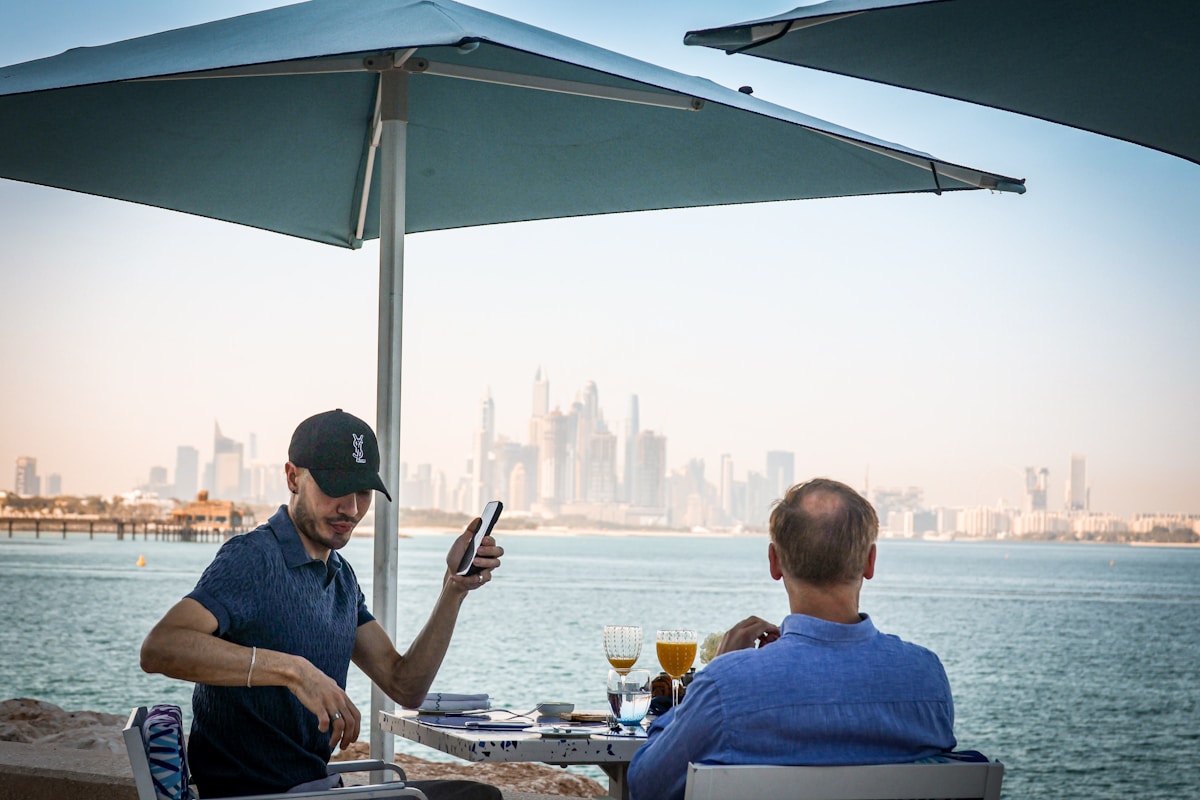
Dubai is one of the most liberal emirates in the UAE when it comes to alcohol — far more so than Sharjah, Ajman, or Fujairah, where alcohol is either heavily restricted or banned entirely. That said, it operates within a licensing framework with clear rules about where you can drink and how. Understanding those rules means you can enjoy Dubai’s considerable bar and restaurant scene without any issues.
The Basic Rule
Alcohol is legal in Dubai only in licensed premises. That primarily means:
- Hotel bars, lounges, and restaurants attached to hotels
- Licensed standalone restaurants (those that have obtained an alcohol licence)
- Private members’ clubs
- Airport departure lounges
Drinking on the street, in parks, at public beaches, in cars, or in any unlicensed venue is prohibited. Being visibly intoxicated in public is a criminal offence regardless of where the drinking happened.
Hotel Bars and Restaurants
The vast majority of drinking in Dubai happens in hotel properties. Almost every four- and five-star hotel has at least one bar. The hotel licence covers:
- The bar itself
- Restaurants within the hotel that serve alcohol with food
- Pool areas (during designated hours — usually from noon onwards)
- Rooftop venues
Price ranges (as of 2026):
- House wine by the glass: approximately AED 45–75
- Draught beer (pint): approximately AED 45–70
- Cocktail: approximately AED 60–100
- Spirits (single measure): approximately AED 45–75
Happy hour deals are common — typically 2-for-1 or discounted prices from 17:00–19:00. Brunch (Thursday/Friday) is a particularly popular format, typically including unlimited drinks packages from approximately AED 200–400 per person.
Practical note: You don’t need to be a hotel guest to drink at a hotel bar. In Dubai, hotel bars are open to the public — simply walk in.
Licensed Standalone Restaurants
A significant number of non-hotel restaurants in Dubai hold independent alcohol licences. These are particularly common in areas like:
- DIFC (Dubai International Financial Centre): High density of licensed restaurants and bars. Some of the best cocktail bars in the city are in this district.
- Downtown Dubai: Several licensed restaurants near the Burj Khalifa and Dubai Mall.
- Dubai Marina / JBR: Dense bar and restaurant scene, particularly along The Walk and within the Marina.
- Jumeirah Beach Road: Several licensed beach clubs and restaurants.
Always check in advance — particularly for newer restaurants, as licences take time to obtain. A menu with alcohol prices listed is a reliable sign.
Off-Licences: Buying Alcohol to Take Away
Two main chains operate licensed off-licences in Dubai:
MMI (Maritime & Mercantile International): The larger chain with outlets across Dubai. Sells a wide range of beer, wine, and spirits. Prices are generally good — a bottle of standard wine runs approximately AED 40–80, imported spirits AED 80–200 depending on brand.
African + Eastern: Competitor chain with comparable range and pricing.
Rules for purchasing:
- Minimum age: 21 years. Passport or Emirates ID required.
- Off-licences are not inside shopping malls.
- Sharjah does not permit off-licences or any alcohol sales. Alcohol purchased in Dubai cannot be consumed in Sharjah even in a private residence.
- Hours vary by location — typically 09:00–23:00, shorter on Fridays.
Delivery: Both MMI and African + Eastern offer home delivery apps in Dubai.
Dry Days: When Alcohol Is Not Served
Dubai has designated “dry days” when alcohol is not served in most licensed venues. These typically coincide with Islamic holidays:
- Arafat Day (Day before Eid Al Adha): Full dry day — no alcohol served at most venues.
- Eid Al Fitr and Eid Al Adha: The first day of each Eid is usually dry. Some hotel bars serving hotel guests are exempt.
- UAE National Day (2 December): Partial dry day at some venues.
- Commemorations and sensitive national events: Occasionally announced with short notice.
Individual hotels and venues set their own policies around dry days — some remain open serving alcohol, others close the bar entirely. Check with your hotel in advance if travelling around a public holiday.
Ramadan: Alcohol Restrictions
During Ramadan, alcohol is not served in public-facing spaces during daylight hours. This typically means:
- Restaurant bars and standalone bars are closed during the day.
- Hotel bars may continue to serve hotel guests in more discreet settings, but this varies by property.
- After Iftar (sunset), most licensed venues resume normal service.
Ramadan alcohol rules are enforced more visibly than at other times of year. In practice, if you’re staying in an international hotel, you’ll find ways to access alcohol — but the casual lunchtime drink at a restaurant bar won’t be possible.
Legal Blood Alcohol Limit
The UAE has a zero-tolerance policy for drink driving. The legal blood alcohol limit is 0.00% — any detectable alcohol in your system while driving is illegal. This is strictly enforced with roadside testing. Penalties include:
- Fines of approximately AED 25,000+
- Licence confiscation
- Vehicle impoundment
- Possible imprisonment and deportation for non-residents
Use taxis, rideshares, or the Metro if you plan to drink.
Age Limit
The minimum age to purchase or consume alcohol in Dubai is 21 years. IDs are checked at off-licences and some bars. Venues are legally responsible for serving minors — enforcement is real.
Sharjah and Other Emirates
Sharjah operates under different laws and is completely dry — no alcohol is sold or permitted anywhere in the emirate, including hotels. Ajman has limited licensed venues. Fujairah allows alcohol in hotels only.
If you’re staying in Sharjah (as some visitors do for cost reasons while visiting Dubai), be aware that you cannot bring alcohol purchased in Dubai back to your accommodation in Sharjah.
Abu Dhabi has a similar framework to Dubai — alcohol is available in hotels and licensed venues but not in unlicensed establishments.
The Tourist Zone Reality
In practice, Dubai’s main tourist districts (Marina, Downtown, DIFC, JBR) feel like international cities in terms of alcohol availability. International hotel chains — Marriott, Hilton, Hyatt, Four Seasons — all operate normal bars and restaurants. The rules around public intoxication and dry days are real and should be respected, but for the average visitor staying in a mainstream hotel and drinking in the right places, there are no practical restrictions.
Frequently Asked Questions
- Can tourists drink alcohol in Dubai?
- Yes. Tourists and non-Muslim visitors can legally drink alcohol in licensed premises — hotel bars, licensed restaurants, and hotel pool areas. You do not need a personal licence to consume alcohol as a tourist. Drinking in public spaces, on the street, or in unlicensed venues is prohibited.
- Can you buy alcohol to take away in Dubai?
- Yes, from licensed off-licences: MMI (Maritime & Mercantile International) and African + Eastern are the two main chains. You must be 21 or over and present a passport or Emirates ID. Off-licences are not inside malls — they have standalone locations and are not permitted in Sharjah or other dry emirates.
- What happens if you drink in public in Dubai?
- Public intoxication is a criminal offence in Dubai and can result in a fine, detention, and potential deportation. This applies to behaviour as well as location — being visibly drunk outside a licensed venue is a risk regardless of where the drinking occurred. The rules are enforced, particularly during Ramadan.