Things to Do in Ras Al Khaimah
Book an experience
Things to do here
The top-rated tours and activities here — all with instant confirmation and free cancellation on most bookings.
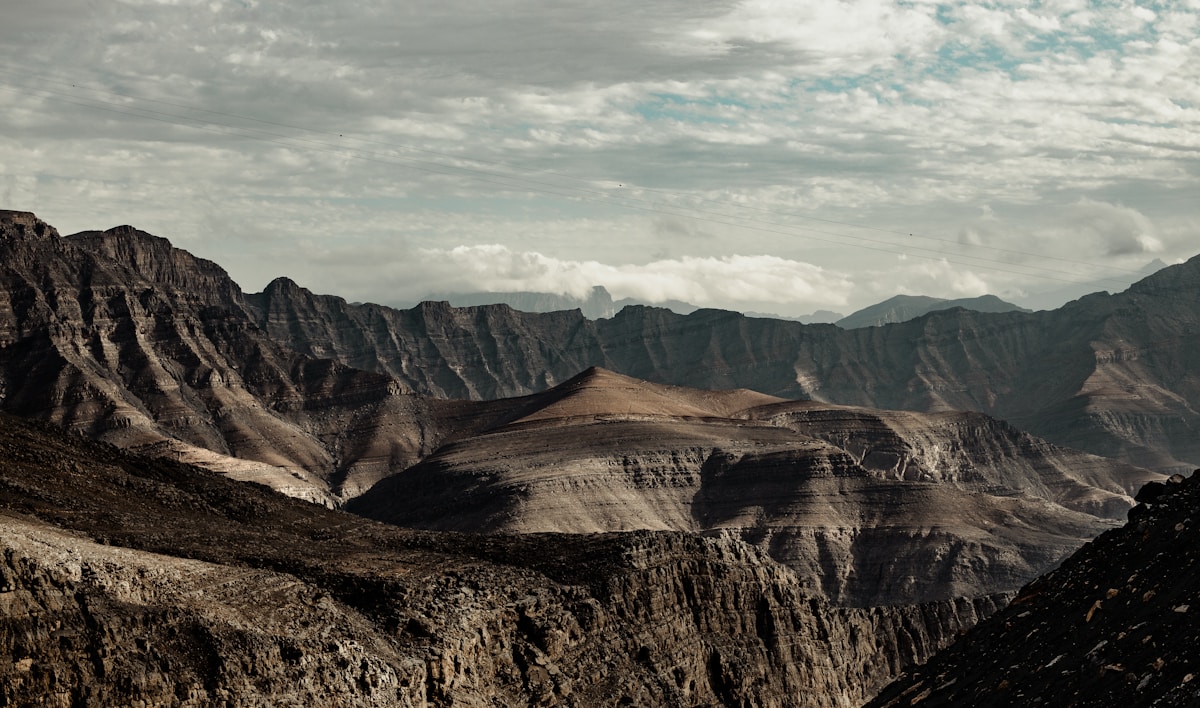
Ras Al Khaimah sits at the northern tip of the UAE, where the Hajar Mountains drop dramatically toward the Gulf coast. It is the most topographically varied emirate in the country — you can hike a mountain, swim in the sea, sleep in the desert, and kayak through mangroves all within a 30-minute drive. For the proportion of visitors who want the UAE to involve more than shopping malls and hotel pools, RAK is the most compelling destination in the country.
The emirate is 90 minutes from Dubai by car and has been building adventure tourism infrastructure seriously since the Jebel Jais Flight opened in 2018. The zipline put RAK on the global adventure travel map, but it is the combination of activities — at prices well below Dubai equivalents — that makes it worth the journey north.
Jebel Jais: The UAE’s Highest Mountain
Jebel Jais rises to 1,934 metres, the highest point in the UAE, and the mountain road to the summit is one of the country’s best drives. The road is good sealed tarmac all the way, with regular viewpoint pull-offs and no specialist vehicle required.
The Jebel Jais Flight (World’s Longest Zipline): At 2.83 km, this is officially the world’s longest zipline. It descends from approximately 1,680 metres in altitude, reaching speeds of around 120–150 km/h. The experience lasts approximately 2–3 minutes in the air. Tickets approximately AED 600 as of 2026. The booking office and departure platform sit near the summit of the mountain road. Allow a full morning — the mountain drive, briefing, equipment fitting, and shuttle back to the departure point takes 2–3 hours.
Jebel Jais Via Ferrata: A guided rock-climbing route using fixed iron rungs and cables bolted into the mountain face. Three routes of varying difficulty (beginner to advanced). Prices approximately AED 250 for the entry route, AED 350 for the advanced. Groups are small and all equipment is provided. Not suitable for people with a fear of heights — the exposure is significant.
Jebel Jais Sledder: A 1,850-metre mountain coaster (like a dry toboggan run on rails) descending the mountain face. Approximately AED 150–200 per ride. Family-friendly — minimum height 100 cm.
Observation Decks and Picnic Areas: Several free viewpoints along the mountain road have picnic tables and stunning views across the Hajar range into Oman. The summit rest stop has a café and is a good place to eat lunch or simply take in the scale of the landscape. No entry fee for driving up and exploring.
Best season: October through April. January and February can be genuinely cold at the summit (5–10°C) — bring a layer. In summer, the mountain is cooler than the coast (around 30°C versus 45°C at sea level) but afternoon cloud can reduce visibility.
Wadi Hiking and Mountain Trails
RAK has some of the most accessible wadi hiking in the UAE, with several trails suitable for regular walking shoes and no guide required.
Wadi Shawka: Approximately 45 minutes’ drive from RAK city through date-palm plantations. A wide, rocky riverbed valley with clear water pools that form after winter rains (roughly November–March). The Wadi Shawka reservoir area is a scenic picnic spot year-round. Easier sections are flat and require no scrambling. No entry fee. A regular 4WD or high-clearance vehicle is recommended for driving the wadi floor; the main road to the viewpoints is accessible by any car.
Wadi Ghalilah: A narrower and more dramatic gorge north of Shawka. Popular with birdwatchers — Egyptian vultures and Verreaux’s eagles are regularly spotted on the crags. No marked trail; most visitors pick their way up the streambed for 2–3 km and return. After winter rain, small waterfalls form at the bends. Best October–April.
Jebel Jais Hiking Trails: Several marked trails depart from the Jebel Jais summit road area. The 8 km Jais Hiking Trail (moderate, approximately 2–3 hours return) gives the best mountain panoramas without requiring climbing equipment. Trail maps are available at the mountain’s main rest stop.
Guides: Not required for the main Shawka and mountain trails, but a local guide adds significant value for wadi canyoning and off-track routes. Several RAK-based operators offer guided wadi hikes from approximately AED 150–250 per person including transport.
Desert Camping
RAK’s desert interior, particularly the areas around Wadi Kharran and the dunes approaching the Omani border, is one of the better places in the northern Emirates for a genuine camping experience.
Self-drive camping: The easiest approach — drive south from RAK city on the E18 toward the desert areas, find a dune or wadi clearing, and set up. No permit is required for most desert camping in RAK. Take plenty of water, inform someone of your location, and carry a shovel if you plan to drive on soft sand.
Glamping resorts: Two properties near RAK offer structured desert camping with proper beds, electricity, and breakfast included. Ritz-Carlton Al Wadi Desert is the premium option — private nature reserve with desert villas, a large pool, and an excellent wildlife programme. Rates from approximately AED 1,400/night. Al Wadi Desert (Autograph Collection) is a slightly more affordable version of the same concept, from approximately AED 900/night. Both require minimum two-night stays on weekends.
Bedouin-style camps: Several operators near the Wadi Kharran area run overnight experiences with a tent, bonfire, and dinner for approximately AED 300–500 per person. Book in advance; availability is limited.
Beaches
RAK’s beaches face west over the Gulf, producing some of the best sunsets in the UAE. Most are accessible only via resort properties, but several stretches of public beach exist north of Al Hamra.
Al Hamra Beach: The broadest public beach strip in RAK, in front of the Al Hamra Marina and Al Hamra Mall. Good facilities including parking, toilets, and a selection of cafés nearby. Sunsets here are excellent — the beach faces almost due west.
Al Marjan Island: An artificial archipelago with four coral-shaped islands extending 4.5 km into the Gulf. Currently hosts several major resort hotels including the DoubleTree by Hilton Marjan Island and the InterContinental RAK. The beachfront road is accessible to non-guests and the island itself is pleasant for cycling and walking in the evenings.
Mina Al Arab: A newer development in the south of RAK with a small public beach and waterfront cafés. Quieter than Al Hamra and popular with residents.
Heritage and History
Dhayah Fort: The only hilltop fort in the UAE, perched above palm plantations in the Dhayah valley. A short but steep climb on a stone path (15 minutes from the car park). Free entry, open 24 hours. The panoramic view over date palms, mangroves, and the Gulf is among the best in the northern Emirates. Come at dawn or dusk for the light.
National Museum of Ras Al Khaimah: Located in a rehabilitated police fort in the old city. Entry approximately AED 5 as of 2026. Well-curated displays covering the Bronze Age settlements of Julfar (one of the largest medieval ports in the Gulf), pre-oil fishing and pearl-diving life, and the relatively recent oil era. One of the most informative small museums in the UAE. Open Saturday–Thursday, 09:00–17:00.
Al Jazirah Al Hamra: A remarkably intact pearl-diving village on RAK’s coast, abandoned in the 1960s when residents moved to the city. Coral-block houses, a fort, and a mosque stand largely as left. Access is partially restricted but the exterior streets and harbour area are freely walkable. A ghost-town atmosphere unlike anything else in the UAE.
Mangrove Kayaking
RAK has extensive mangrove channels in its coastal areas, particularly around the old city waterways and near Khor Kharaz in the south. Kayaking through these shallow channels is a good early-morning activity before the heat builds.
Al Hamra Kayak Rentals: Single and double kayaks available for hire from the marina at approximately AED 80–100 per hour. No experience required for the mangrove channels — currents are minimal. Morning sessions (06:00–09:00) are best for birdwatching; kingfishers, herons, and flamingos are regularly seen.
Guided mangrove tours: Several operators offer guided kayak tours with wildlife interpretation. From approximately AED 150–200 per person including equipment. Book in advance for morning slots, which fill quickly on weekends.
Practical Tips
- Jebel Jais activities and most wadi hiking are best October–April. Summer is viable for the mountain but the coast is very hot.
- The mountain road to Jebel Jais closes periodically for maintenance or rain events — check the RAK Tourism social channels before making it your sole day plan.
- Most resorts are clustered along Al Marjan Island and the Al Hamra waterfront. Book the zipline before booking accommodation — the experience anchors most itineraries.
- Petrol stations are less frequent in the northern RAK areas and near the mountain. Fill up before heading to Jebel Jais.
- For Wadi Shawka after rain, check conditions — some sections can be temporarily flooded and impassable.
For adventure tours and guided experiences in Ras Al Khaimah, see our RAK tours page. For accommodation options, see our RAK hotels guide.
See Also
- Ras Al Khaimah travel guide
- RAK hotels guide
- Ras Al Khaimah vs Fujairah comparison
- Fujairah travel guide — the natural companion destination on the east coast
- Diving in Fujairah — clearer water, coral reefs, and Snoopy Island within 90 minutes
- Overnight desert camp UAE — desert glamping options within the RAK emirate
- 7-day UAE itinerary
- UAE road trip — all seven emirates
- Day trips from Dubai
Frequently Asked Questions
- What is Ras Al Khaimah most famous for?
- The Jebel Jais Flight — the world's longest zipline at 2.83 km — is the headline attraction. RAK is also known for its long Gulf beaches, accessible wadi hiking, and being significantly more affordable than Dubai while still offering quality resorts.
- How long do you need in Ras Al Khaimah?
- Two nights is enough to do the zipline, a wadi hike, and a resort beach day. Three nights allows time to add Dhayah Fort, the National Museum, and a mangrove kayak. It also works well as a day trip from Dubai if you only want the Jebel Jais experience.
- Is Ras Al Khaimah good for families?
- Yes. The beaches and resort pools are excellent for families. The Jebel Jais mountain road is family-friendly as a scenic drive, and the observation deck and picnic areas at the summit are free. The Museum of Ras Al Khaimah is well-suited to older children interested in UAE history.
- Do I need to book the Jebel Jais zipline in advance?
- Yes — booking ahead is strongly recommended, especially for weekends and October–April peak season. Tickets sell out days in advance during busy periods. Book via the official Toroverde UAE website. As of 2026, tickets cost approximately AED 600 for the zipline. The Via Ferrata mountain climbing route is a separate booking from approximately AED 250.
Ready to explore?
Browse hundreds of tours and activities. Book securely with free cancellation on most options.
Browse on GetYourGuide →Best price guaranteed — same price as booking direct. We earn a small commission at no extra cost to you.