One Week in the UAE: Dubai, Abu Dhabi and Beyond
Book an experience
Itineraries in the area
Best price guaranteed · Instant confirmation · Free cancellation on most bookings
Contents
- Budget Overview
- Accommodation at a Glance
- Dubai (Nights 1–3)
- Abu Dhabi (Nights 4–5)
- Ras Al Khaimah (Night 7 — optional overnight)
- Day 1: Arrive in Dubai — Old Dubai and the Creek
- Day 2: Modern Dubai — Burj Khalifa, Dubai Mall, and Dubai Fountain
- Day 3: Palm Jumeirah and Desert Safari
- Day 4: Dubai to Abu Dhabi — Sheikh Zayed Grand Mosque
- Day 5: Abu Dhabi — Louvre, Qasr Al Watan, and Yas Island
- Day 6: Abu Dhabi to the East — Sharjah and Fujairah
- Day 7: Northern Emirates — Fujairah or Ras Al Khaimah
- Option A: Fujairah — East Coast Exploration
- Option B: Ras Al Khaimah — Jebel Jais and the Mountain Road
- Transport Summary
- Practical Notes
- Packing Notes
- See Also
Seven days gives you enough time to see the UAE’s biggest draws without rushing through them. This itinerary starts in Dubai, moves to Abu Dhabi, and finishes on the quieter east and north coasts — covering modern skylines, desert landscapes, mountain roads, and Gulf of Oman beaches in one trip. Days 1–3 are Dubai, Days 4–5 are Abu Dhabi, and Days 6–7 take you to Sharjah, Fujairah, and optionally Ras Al Khaimah.
Budget Overview
| Category | Budget | Mid-Range | Luxury | Daily Total (Budget) | Daily Total (Mid) |
|---|---|---|---|---|---|
| Hotel/night | AED 200–300 | AED 400–650 | AED 2,000–5,000 | — | — |
| Meals/day | AED 80–150 | AED 200–350 | AED 500–1,000 | — | — |
| Activities & transport | AED 150–300 | AED 300–500 | AED 500–1,500 | — | — |
| Total/day/person | — | — | — | AED 450–750 | AED 900–1,500 |
All prices are approximate as of 2026.
Accommodation at a Glance
Dubai (Nights 1–3)
Budget — Premier Inn Dubai Airport (approximately AED 280/night): Metro-connected, clean, no-nonsense. Well-suited for travellers who are out most of the day. Alternatively, Rove Downtown (approximately AED 280–320/night) for a more central location within walking distance of Dubai Mall.
Mid-range — Rove Downtown or Hyatt Place Dubai Al Rigga (approximately AED 450/night): Rove is closer to the Burj Khalifa area; Hyatt Place Al Rigga suits those spending more time in Old Dubai.
Luxury — Four Seasons DIFC (approximately AED 2,500/night): Strong restaurant, quieter than the resort-strip hotels, easy taxi access to most sites. Address Downtown is the alternative if you want to be directly adjacent to Dubai Mall.
Abu Dhabi (Nights 4–5)
Budget — Centro Capital Centre or Premier Inn Abu Dhabi Capital Centre (approximately AED 250/night): Near the exhibition district; 25 minutes from the Corniche by taxi.
Mid-range — Traders Hotel by Shangri-La or Courtyard by Marriott World Trade Center (approximately AED 500–550/night): Shangri-La sits on the Corniche waterfront with a good pool.
Luxury — Emirates Palace Mandarin Oriental (approximately AED 2,500–3,800/night): The defining Abu Dhabi property — beachfront, extraordinary scale.
Ras Al Khaimah (Night 7 — optional overnight)
Mid-range — DoubleTree by Hilton Marjan Island (approximately AED 500/night): Beach resort on a man-made island, well-reviewed, good value by UAE standards.
Luxury — Anantara Mina Al Arab (approximately AED 2,200/night): Beachfront eco-resort with mangrove views, one of the quieter luxury properties in the country.
Day 1: Arrive in Dubai — Old Dubai and the Creek
Fly into Dubai International (DXB). The Dubai Metro Red Line runs from Terminal 1 and Terminal 3 to the city centre for AED 6–8.50 depending on zone. A taxi costs approximately AED 80–100 to Downtown Dubai.
Morning/Afternoon: Check into your hotel and settle in.
Late Afternoon: Head to Al Fahidi Historical Neighbourhood (free entry). Walk through the narrow sikkas (alleyways), visit the Dubai Museum inside Al Fahidi Fort (AED 3 entry, open 8:30am–8:30pm Saturday–Thursday, 2:30pm–8:30pm Friday), and explore the art galleries. Allow 1–1.5 hours.
Evening: Take an abra (traditional water taxi) across Dubai Creek — AED 1 per crossing (cash only). Browse the Gold Souk and Spice Souk in Deira. Then walk the Al Seef promenade along the Creek at dusk for views of both banks. Dinner at Arabian Tea House in Al Fahidi (mains from AED 45–75, approximately AED 80–150 per person) for Emirati dishes in a courtyard setting, Al Ustad Special Kabab in Bur Dubai (mains from AED 30–65) for Iranian-influenced grills operating since 1978, or Ravi Restaurant in Satwa (Pakistani, approximately AED 30–60) for one of Dubai’s best-value meals.
Day 2: Modern Dubai — Burj Khalifa, Dubai Mall, and Dubai Fountain
Morning: Book the first slot at Burj Khalifa — At The Top (124th/125th floor). Tickets cost approximately AED 149–169 for standard entry; AED 379 for the premium 148th floor (as of 2026). Book online at least two days ahead. The observation deck opens at 8am; early entry avoids queues and haze.
Afternoon: Explore Dubai Mall — the aquarium viewing panel is free from the ground floor; the tunnel walkthrough costs approximately AED 135–220. The dinosaur skeleton in the atrium and indoor waterfall are also free. Lunch at The Noodle House (approximately AED 80–130), Tim Ho Wan inside the mall (dim sum from AED 30–50), or The Cheesecake Factory (mains from AED 65–95).
Evening: Stay near the Burj for the Dubai Fountain — shows run every 30 minutes from 6pm, free to watch from the boardwalk. An abra fountain tour costs approximately AED 25. Dinner at Zuma Dubai (Japanese robatayaki, approximately AED 300–500 with drinks — book ahead) or Thiptara at the Palace Downtown for Thai food with fountain views (approximately AED 250–400). For something more casual, take the Metro or a taxi (approximately AED 35–50) to Dubai Marina and explore Pier 7, where seven restaurant floors run from The Scene by Simon Rimmer (mains from AED 70–110) to Asia Asia seafood (mains from AED 90–150).
Day 3: Palm Jumeirah and Desert Safari
Morning: Take the Palm Monorail (AED 30 return) from the Gateway Station to Atlantis, The Palm. The Lost Chambers Aquarium is open to visitors (approximately AED 130 entry, open 10am–9pm). Alternatively, walk the boardwalk at The Pointe for views back across the Palm’s crescent.
Afternoon: Return to your hotel to rest before the desert safari — most operators offer hotel pickup between 3pm and 3:30pm. Morning safaris (8am–1pm) suit cooler months and photography.
Evening: A desert safari runs from pickup to around 9–10pm and includes dune bashing, a sunset photo stop, camel riding, henna painting, a BBQ dinner, and traditional performances.
- Budget group tour: approximately AED 150–200 per person
- Mid-range private: approximately AED 350–600 per person
- Luxury (Platinum Heritage vintage Land Rovers): approximately AED 900–1,400 per person
Book through a licensed operator — Arabian Adventures and Platinum Heritage are well-established options.
Day 4: Dubai to Abu Dhabi — Sheikh Zayed Grand Mosque
Morning: Check out and travel to Abu Dhabi. The E102 bus from Ibn Battuta Mall or the E101 from Al Ghubaiba station both run frequently and cost approximately AED 25 (journey time roughly 1.5–2 hours). A taxi costs approximately AED 250–300 one way.
Check into your Abu Dhabi hotel (see accommodation section above).
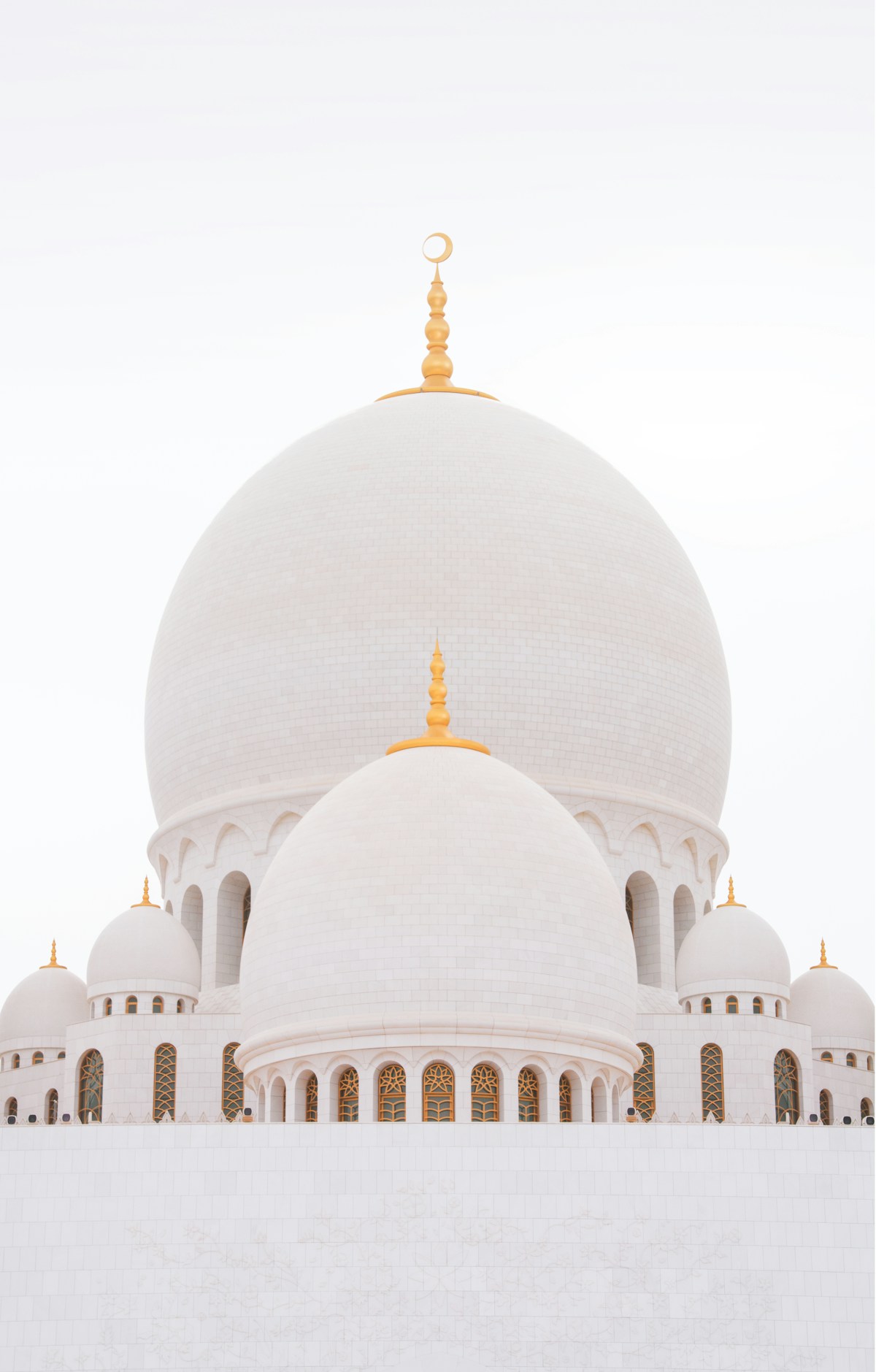
Afternoon: Visit Sheikh Zayed Grand Mosque — free entry, open daily 9am–10pm (last entry 9:30pm; closed Friday morning for prayers). Modest dress is required; abayas provided free at the entrance. Allow 1.5–2 hours minimum, more if you want to photograph properly. The main prayer hall carpet is hand-knotted and the largest in the world. Best light: late afternoon before sunset when the white marble turns warm gold — consider arriving at 4–5pm and staying for the illuminations.
Evening: Dinner at Byblos Sur Mer (Lebanese seafood, approximately AED 200–350 per person), Li Beirut at Jumeirah at Etihad Towers (Lebanese mains from AED 75–130), or Beirut Sur Mer on the Corniche (mains from AED 55–90). Walk the Abu Dhabi Corniche after dinner — the 8km waterfront path is well-lit and open 24 hours.
Day 5: Abu Dhabi — Louvre, Qasr Al Watan, and Yas Island
Morning: Take a taxi (approximately AED 35–50 from downtown) to Louvre Abu Dhabi on Saadiyat Island. Entry is approximately AED 63 for adults (free for under-13s). Open Tuesday–Sunday 10am–6:30pm (Thursday–Saturday until 8:30pm), closed Monday. Jean Nouvel’s perforated dome creates a remarkable “rain of light” effect inside. Allow 2–3 hours. Lunch at Fouquet’s Abu Dhabi inside the Louvre complex (French café, approximately AED 150–280).
Afternoon: Head to Qasr Al Watan (Presidential Palace) — one of the more unusual attractions in the region. Open to the public, the palace interior covers UAE statecraft through its library, ceremonial halls, and armoury. Entry approximately AED 60 for adults. Allow 90 minutes.
Alternative afternoon: If you prefer a theme park, Yas Island is approximately AED 40–60 by taxi from Saadiyat. Ferrari World (from approximately AED 295), Yas Waterworld (from approximately AED 295), or Warner Bros. World (from approximately AED 295) — pick one.
Evening: Walk the Abu Dhabi Corniche (bike hire approximately AED 30–50/hour; beach entry AED 10–20). Dinner at the Terrace on the Corniche at the St. Regis (mezze and grills with Gulf views, approximately AED 200–350 per person) or at Al Mina Fish Market (adjacent restaurants cook fish to order, approximately AED 40–80).
Day 6: Abu Dhabi to the East — Sharjah and Fujairah
Morning: Drive or hire a car/driver toward the east coast. Stop in Sharjah (approximately 1.5 hours from Abu Dhabi, AED 130–180 by bus from Abu Dhabi Central Bus Station).
Sharjah is the UAE’s cultural capital — more museums per capita than anywhere else in the country, most of them free. Visit the Sharjah Museum of Islamic Civilization (free entry, covers Islamic art, science, and 5,000 artefacts from the 7th century onwards — allow 90 minutes), the Sharjah Art Museum (free entry, open Saturday–Thursday 8am–8pm, Friday 4pm–8pm), and the restored Heart of Sharjah heritage district, which includes Bait Al Naboodah heritage house (approximately AED 5). Also worth seeing is the Blue Souk (Central Souk) — a distinctive blue-tiled covered market near the waterfront selling carpets, antiques, and handicrafts with a more relaxed bargaining atmosphere than Dubai.
Lunch at Shababeek in the Heart of Sharjah area (Levantine cuisine, mains from AED 45–80) or at one of the Arabic and Lebanese restaurants in the heritage district (approximately AED 40–90 per person).
Afternoon: Continue to Fujairah (approximately 1.5 hours from Sharjah by car, or AED 25 by E700 bus). Check into Fujairah Rotana Resort & Spa (from approximately AED 400/night, USD 109) or the budget option Ibis Styles Fujairah (from approximately AED 220/night, USD 60).
Evening: Watch the sunset from Al Aqah Beach and have dinner at Al Meshwar in Fujairah city (Arabic grills, mains from AED 35–65).
Day 7: Northern Emirates — Fujairah or Ras Al Khaimah
Choose between two very different northern emirate experiences:
Option A: Fujairah — East Coast Exploration
Morning: Visit Al Bidya Mosque, the oldest mosque in the UAE (free entry, open outside prayer times). It dates to the 15th century and sits against a rocky hill backdrop. Then drive 5 minutes to Fujairah Fort (entry approximately AED 5; free to view from outside). Built in the 16th century, it overlooks the old town and the Hajar Mountains rising immediately behind.
Late Morning: Snorkel at Snoopy Island (Al Aqah Beach) — equipment rental from approximately AED 30–80 per set from beachside vendors. Sandy Beach Hotel day-use charges approximately AED 75–100 for beach and facilities access. The rocky islet has good coral and tropical fish. Also worth visiting: Khor Fakkan waterfront (technically part of Sharjah on the east coast) — a clean, well-maintained Corniche and one of the more pleasant coastal towns in the northern emirates.
Afternoon: Drive back to Dubai International Airport (approximately 1.5–2 hours via the E88 highway). Allow extra time for Friday traffic.
Option B: Ras Al Khaimah — Jebel Jais and the Mountain Road
RAK is 90 minutes north of Dubai by taxi or hire car (approximately AED 200–250 by taxi). The Jebel Jais mountain road climbs to 1,934 metres — the highest point in the UAE — through stark Hajar Mountain scenery that feels nothing like the rest of the country.
Jebel Jais Flight (Zip Line): The world’s longest zip line as of 2026, 2.83km at up to 150km/h. Entry approximately AED 699 per person. Book well in advance — sells out in high season. The viewing platform at the top is free to access.
RAK old town and waterfront: The historic fishing town around the creek is worth 1–2 hours. Dhayah Fort (free entry) on a rocky outcrop north of the city offers wide views over the RAK coast and mangrove inlets.
Return to Dubai (approximately 90 minutes) for an onward flight, or stay a night at Anantara Mina Al Arab or DoubleTree Marjan Island (see accommodation section).
Transport Summary
| Route | Method | Cost (approx.) | Time |
|---|---|---|---|
| DXB Airport → Downtown Dubai | Metro | AED 6–8.50 | 30 min |
| DXB Airport → Downtown Dubai | Taxi | AED 80–100 | 25 min |
| Dubai → Sharjah | Taxi | AED 50–70 | 20–40 min |
| Dubai → Abu Dhabi | Bus (E101/E102) | AED 25 | 1.5–2 hrs |
| Dubai → Abu Dhabi | Taxi | AED 250–300 | 1.5 hrs |
| Abu Dhabi → Sharjah | Bus | AED 130–180 | 1.5 hrs |
| Sharjah → Fujairah | Bus (E700) | AED 25 | 1.5 hrs |
| Dubai → Ras Al Khaimah | Taxi | AED 200–250 | 90 min |
| Dubai → Fujairah | Taxi / hire car | AED 180–220 | 1.5–2 hrs |
| Fujairah → DXB Airport | Car/taxi | AED 200–300 | 1.5–2 hrs |
| Hire car (daily) | Rental | AED 150–300 | — |
All costs approximate as of 2026.
Practical Notes
Visa: Citizens of approximately 90 countries receive a free 30-day entry on arrival (extendable to 60 days). Always verify your specific passport’s eligibility before booking.
Currency: UAE Dirham (AED), pegged to USD at approximately 3.67. Cards are widely accepted and contactless payments work everywhere. Cash is useful for abra taxis, smaller souks, and smaller northern emirate shops.
Dress code: Conservative in mosques and heritage areas (shoulders and knees covered; women need a headscarf at Sheikh Zayed). Beachwear only at beaches. Dubai and Abu Dhabi are relaxed by Gulf standards; Sharjah has stricter public dress expectations.
Best travel months: October to April. May to September brings extreme heat (37–45°C) though hotels discount significantly.
Packing Notes
Pack light layers for air-conditioned interiors and modest clothing for mosque visits. Bring reef-safe sunscreen and a rash guard for Snoopy Island snorkelling. A refillable water bottle is essential — tap water in the UAE is safe but most people prefer filtered or bottled.
Aviasales compares fares into Dubai International, Abu Dhabi International, and Sharjah airports — worth checking all three for the cheapest entry point. GetYourGuide covers desert safaris, Burj Khalifa tickets, Abu Dhabi day trips, and more — pre-booking a couple of key activities avoids sold-out slots in peak season. VisitorsCoverage covers UAE medical costs and trip cancellation; worth arranging before the first hotel deposit is paid.
See Also
Frequently Asked Questions
- How much does a 1-week trip to the UAE cost?
- Budget travellers can manage approximately AED 5,500–7,000 (USD 1,500–1,900) per person for seven days including accommodation, food, transport, and attractions. Mid-range travellers should expect AED 9,000–14,000 (USD 2,450–3,800). These estimates exclude international flights and assume double occupancy, as of 2026.
- Is one week enough to see the UAE?
- One week covers the three main emirates — Dubai, Abu Dhabi, and the east coast — comfortably. With good planning you can also add Ras Al Khaimah or a deeper Sharjah day. You will miss Al Ain and Umm Al Quwain, but the major highlights fit well into seven days without rushing.
- Can I visit all seven UAE emirates in 7 days?
- You can cover six or seven emirates in a week if you're comfortable with daily movement, but the experience becomes a logistics exercise rather than a trip. This itinerary covers five — Dubai, Sharjah, Abu Dhabi, Ras Al Khaimah, and Fujairah — which is enough variety without feeling rushed.
- What is the best time of year for a week in the UAE?
- November through March offers the most comfortable weather, with daytime temperatures between 24°C and 30°C. Avoid June through September when temperatures regularly exceed 45°C and outdoor sightseeing becomes difficult.
- Do I need a car to travel between emirates?
- Not essential for Dubai and Abu Dhabi, which have good taxis and Metro links. Inter-emirate buses run frequently between Dubai and Abu Dhabi (approximately AED 25 one-way, as of 2026). For Ras Al Khaimah and Fujairah, [hiring a car in the UAE](/go/car-hire-uae/) gives significantly more flexibility (approximately AED 150–300/day); public bus connections to the northern emirates exist but are infrequent. A day driver costs approximately AED 400–600.
- What is the best base for a 7-day UAE trip?
- Most visitors keep a Dubai base for Days 1–3 and Abu Dhabi for Days 4–5, doing the northern emirates on Day 6–7 as a drive loop. Staying in Ras Al Khaimah for a night is worthwhile if you want to hike Jebel Jais or escape the Dubai pace entirely.
Ready to explore?
Browse hundreds of tours and activities. Book securely with free cancellation on most options.
Browse on GetYourGuide →Best price guaranteed — same price as booking direct. We earn a small commission at no extra cost to you.