Where to Eat in Ras Al Khaimah
Book an experience
Things to do here
The top-rated tours and activities here — all with instant confirmation and free cancellation on most bookings.
Ras Al Khaimah doesn’t have Dubai’s restaurant density, but what it offers is genuine: fresh Gulf seafood, Emirati home cooking, and a price point that makes eating out feel relaxed rather than transactional. The emirate’s coastline, pearl-diving heritage, and significant South Asian and Levantine communities have shaped a food scene that rewards a little exploration.
Where to Eat on the Corniche
Al Qawasim Corniche is the most pleasant strip for a meal with a view. Several mid-range restaurants line the waterfront road, ranging from Lebanese grills to Indian curry houses, all looking out over the Arabian Gulf.
Safina Restaurant (Al Qawasim Corniche, approximately AED 60–100 per person) is one of the better-known seafood spots, serving grilled hammour (grouper) and safi (rabbitfish) caught locally. The fish is priced by weight — expect to pay AED 40–60 per kilogram depending on the catch — and is best ordered grilled with garlic and lemon rather than buried in heavy sauce.
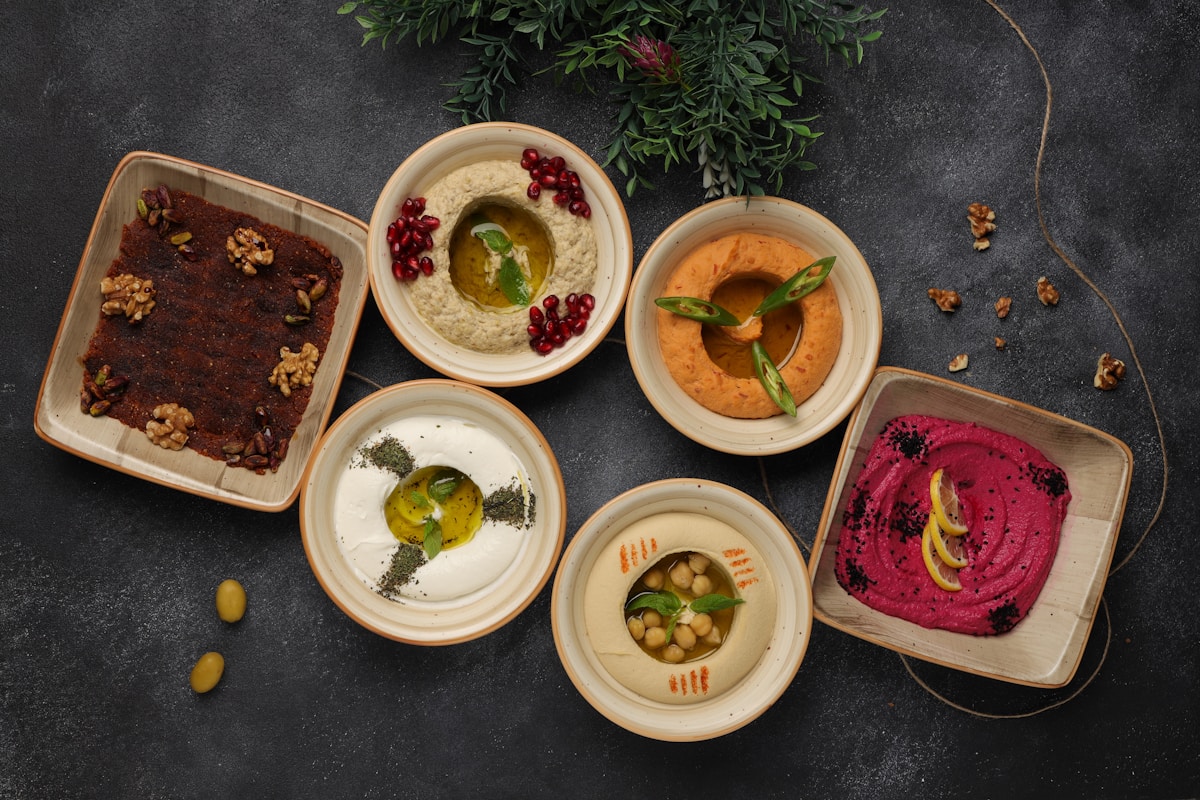
Salt & Pepper (Al Qawasim Corniche area, AED 50–90 per person) covers Lebanese staples well: mezze spreads with hummus, mutabbal, fattoush, and warm khubz, followed by grilled mixed meats. It’s reliable for groups and handles the corniche tourist traffic without feeling rushed.
For a more casual lunch, several small cafeterias along the corniche serve machboos (spiced rice with chicken or lamb) and grilled hamour for AED 25–40 a plate. These spots rarely have English signage but are easy to navigate — point at what looks good or ask for “samak” (fish) or “dajaj” (chicken).
Budget Eats and Street Food
RAK’s best-value meal is shawarma. The strip along Old Town Road (Al Maaridh Street) in central RAK has a row of Lebanese and Egyptian fast-food spots selling chicken and meat shawarma for AED 5–7. This is where residents eat lunch, and the turnover keeps the bread fresh.
Al Salam Restaurant (Al Nakheel district, AED 20–45 per person) is a long-standing favourite for harees during Ramadan and throughout cooler months. Harees — wheat simmered with chicken or lamb until it reaches a porridge-like consistency — is the definitive Emirati comfort dish. It’s best eaten with a drizzle of ghee and a pinch of cinnamon.
Paratha Corner (Al Jeer area, AED 10–25 per person) is the locals’ go-to for Keralite paratha with curry at breakfast and lunch. Chicken curry, egg masala, and dhal are all AED 12–18. The chai is strong and sweetened with condensed milk.
For fresh juice and light bites, the fruit stalls near Al Rams Road (north of the city, toward the sea) sell sugarcane juice, mango lassi, and mixed fruit cups for AED 5–10 — useful fuel before a beach day.
Resort and Fine Dining
RAK’s resort hotels offer a different standard of dining without the full Dubai price tag. These are most convenient if you’re staying in the area, but day visitors can book with advance notice.
Ming and Senses at the Waldorf Astoria Ras Al Khaimah (Jebel Al Jais Road, approximately AED 150–300 per person). Ming covers contemporary Asian cuisine; Senses handles international buffets. Both overlook the Hajar Mountains. Dinner at Ming — noodles, wok dishes, dim sum — is a better-value entry point at approximately AED 100–180 for mains. Reserve through the Waldorf website.
Samak at the Ritz-Carlton Al Hamra Beach (Al Hamra, approximately AED 120–250 per person) is a seafood-focused restaurant with direct beach access. The fish mezze (raw and cured options alongside traditional dips) is notable, and the wood-fired grills handle whole fish well. Expect AED 90–130 for a main.
Cove Rotana Resort (Al Jazirah Al Hamra, approximately AED 80–160 per person) has three dining outlets. Indochine (Thai and Vietnamese) is the most popular among non-guests for a Thursday or Friday dinner — booking essential at weekends.
Local Specialities to Order
Harees — the slow-cooked wheat and meat dish described above — is worth seeking out at any traditional Emirati spot, particularly in winter (October–March) when it’s on more menus.
Machboos — the spiced rice dish similar to biryani in texture but with a heavier use of loomi (dried black lime) and baharat spice blend — is the closest thing to a UAE national dish. Chicken and lamb versions are both common; fish machboos using local hammour is the RAK coastal variation.
Luqaimat are small dough balls deep-fried and drizzled with date syrup and sesame seeds. Street vendors near the Old Souq area sell them in bags for AED 5–10, typically in the evenings. They are the UAE’s answer to doughnuts.
Fresh Gulf oysters from Suwaidi are something of a RAK speciality. The Suwaidi Pearl Farm (Al Rams, north of RAK city) cultivates both pearls and oysters, and organises tours that end with a tasting of fresh oysters shucked on-site. It’s one of the more unusual food experiences in the emirate.
The Old Souq Area
The Al Nakheel Souq (also called the Fish Souq or Old Market area) is worth a morning visit even if you’re not buying. The fish market section has local fishermen selling the day’s catch from the Gulf: hammour, safi, barracuda, and shrimp. Prices are roughly AED 15–35 per kilogram depending on the fish. If you have access to kitchen facilities, this is the most direct way to eat well in RAK.
The produce stalls nearby sell dates — including the excellent Khalas variety grown in the RAK region — dried fruits, and local spices. A bag of Khalas dates runs AED 20–40 per kilogram.
Practical Notes
Most RAK restaurants are open from around 12:00 to 15:00 for lunch and 19:00 to 23:00 for dinner. During Ramadan (dates shift annually), restaurants close during daylight hours but open after iftar (around sunset) for extended evening service. Alcohol is available only at licensed resort hotels — the corniche and street food spots are dry.
Tipping is not mandatory but 10% is standard at sit-down restaurants. Many mid-range and budget places add a 5–10% service charge automatically. Card payment is accepted almost everywhere in 2026, though smaller shawarma kiosks and market stalls are cash-only.
Frequently Asked Questions
- What is the local food of Ras Al Khaimah?
- Ras Al Khaimah's traditional dishes reflect both Emirati heritage and the emirate's coastal setting. Harees (slow-cooked wheat and meat), machboos (spiced rice with meat or fish), and fresh Gulf fish grilled over charcoal are staples. The Suwaidi area is historically known for pearl diving, and fresh hammour (grouper) and safi (rabbitfish) remain central to local menus.
- Is Ras Al Khaimah expensive for food?
- RAK is noticeably cheaper than Dubai for dining. A shawarma from a street kiosk costs around AED 5–7. A sit-down meal at a mid-range restaurant runs AED 40–80 per person. Even waterfront resort restaurants — like those at the Waldorf Astoria or Cove Rotana — are 15–25% cheaper than comparable Dubai venues, with mains typically AED 80–150.
- Where is the best area to eat in RAK?
- Al Qawasim Corniche has the best concentration of casual restaurants and cafés with sea views. Al Nakheel district, about 10 minutes inland, has a wider range of budget options including South Asian curry houses and Lebanese grills popular with residents.
Ready to explore?
Browse hundreds of tours and activities. Book securely with free cancellation on most options.
Browse on GetYourGuide →Best price guaranteed — same price as booking direct. We earn a small commission at no extra cost to you.