UAE Travel Advisories Ease as Dubai Returns to Normal
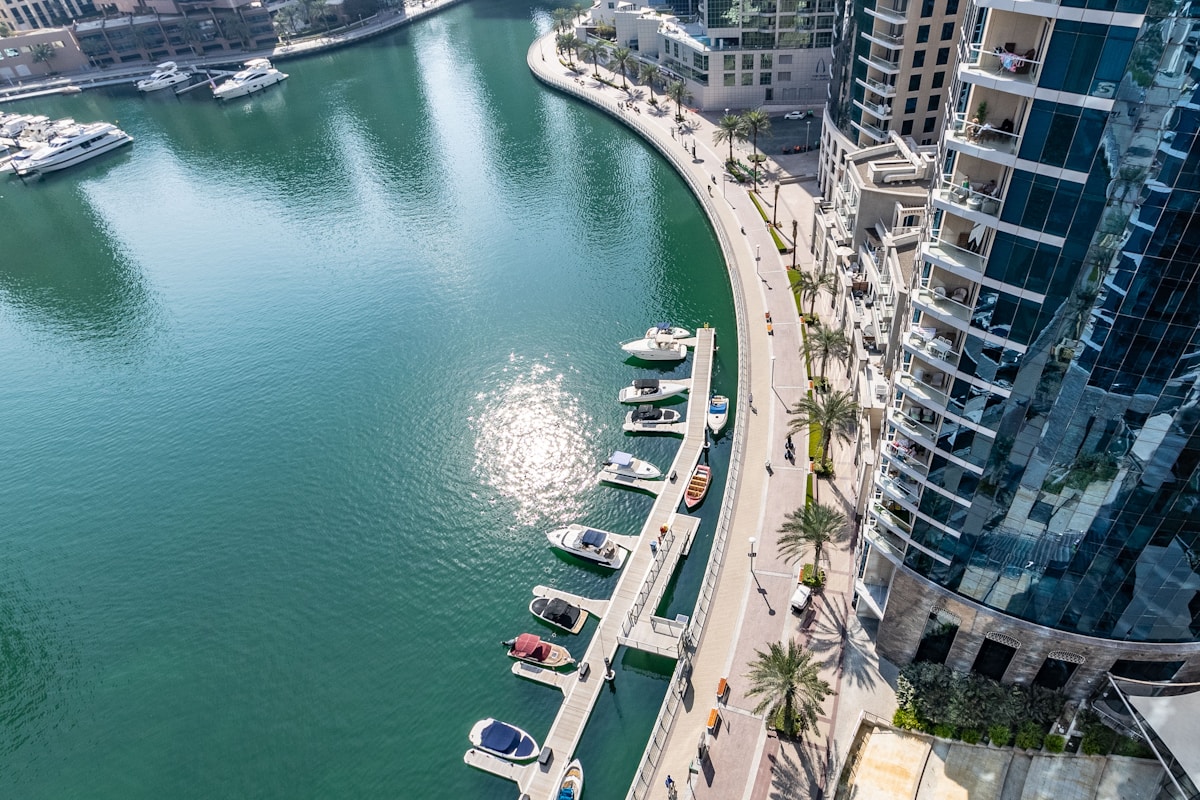
Dubai and the wider UAE are open for tourism and operating normally, with travel advisories from several major governments eased or lifted following the US–Iran memorandum of understanding signed on 17 June 2026.
The UK’s Foreign Commonwealth and Development Office updated its UAE travel advice on 18 June 2026, removing the advisory against all but essential travel that had been in place since the February 2026 Gulf conflict. Dubai International Airport (DXB) and Al Maktoum International (DWC) are both open, with UAE airspace unrestricted. Emirates is currently operating approximately 96 per cent of its network, with a small number of routes to Kuwait, Tehran, Baghdad and Basra remaining suspended.
What this means for travellers:
- Standard travel insurance should now be valid for UAE travel for British nationals (the FCDO advisory lift is a key trigger for coverage).
- Malls, hotels, restaurants and beaches in Dubai and Abu Dhabi are open and busy — the city has returned to its pre-conflict rhythm.
- The region remains unpredictable; travellers should monitor media and keep departure plans flexible.
One important note: British Airways has extended its Dubai flight suspension until 25 October 2026, citing ongoing uncertainty around regional airspace and insurance costs. Passengers booked on BA flights to Dubai before that date are entitled to full refunds or rebooking. Other carriers — including Emirates, flydubai, Virgin Atlantic, KLM and Air France — are operating normally to Dubai.
For those planning a Dubai visit, the summer months bring competitive hotel rates and a quieter city. Temperatures exceed 40°C outdoors, so most activities are based around malls, indoor attractions and hotel pools. The dining scene in Abu Dhabi and Dubai has been particularly active in June 2026, with over 24 new restaurants opening across the Emirates this month alone.
UAE entry requirements remain straightforward: nationals of most Western countries receive a free 30-day visa on arrival, and many can apply in advance for a 60-day tourist visa online. The UAE has a low-crime environment and remains one of the Middle East’s most accessible and visitor-friendly destinations.
Check your own government’s current travel advice before finalising plans, as advisory levels vary by country.
Impact on Travelers
The practical effect of the lifted advisories is most significant for two things: travel insurance and airline bookings. For British nationals, the FCDO downgrade from “essential travel only” to normal advice means standard travel insurance policies — which typically exclude destinations on “Do Not Travel” or “essential travel only” lists — are now valid for UAE trips again. Travellers who purchased or renewed policies during the restriction period should check their insurer’s specific wording to confirm coverage has reactivated.
For those with existing British Airways bookings before 25 October 2026, the advisory lift does not change BA’s position. The airline’s own insurance and operational planning considerations remain the driver of its suspension, independent of the FCDO’s advisory level. Emirates remains the main direct option for UK-originating travellers; Virgin Atlantic has not yet confirmed a reinstatement date.
Summer 2026 in Dubai is shaping up as an unusually good time to visit for those who are comfortable with the heat. With fewer tourists than typical summer years and hotel rates running at seasonal lows in the aftermath of the disruption, mid-range and upper-mid properties in the Marina and Downtown are offering rates that would have been bottom-of-range pricing in a normal year. Restaurants and attractions are fully operational, and the city’s indoor infrastructure — malls, Museum of the Future, the Burj Khalifa observation deck — is running on normal schedules.
Related Reading
- Dubai city guide — full overview of the city’s districts, attractions, and transport
- Best time to visit the UAE — seasonal breakdown and how to weigh summer against the peak months
- 3 days in Dubai — a focused itinerary for short visits covering the key attractions