Dune Bashing in the UAE: Complete Guide
Book an experience
Book a desert experience
These are the top-rated desert experiences — book ahead to secure your preferred date and group size.
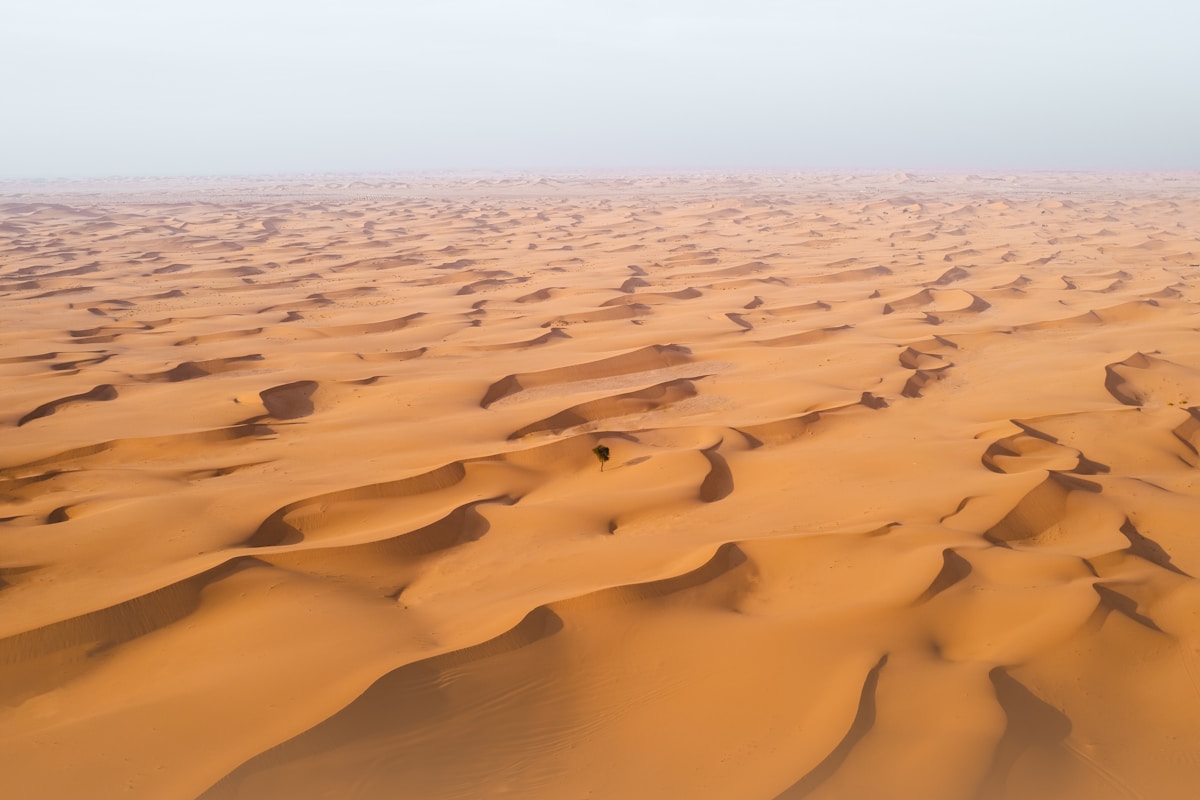
Dune bashing is the UAE’s signature off-road experience — a Toyota Land Cruiser or Nissan Patrol driven at speed over, up, and down massive sand dunes, with tyres deflated for grip and a driver who knows exactly how much speed to carry over each crest. Done well, it combines the sensation of a roller coaster with spectacular desert scenery. Done badly, it is a sick-making crawl through traffic-heavy dune corridors.
How Dune Bashing Works
Before entering the dunes, the driver pulls over and deflates all four tyres to approximately 18–22 psi (from the road pressure of 32–35 psi). Lower pressure spreads the tyre contact patch across a larger sand surface, preventing the vehicle from sinking.
The standard technique involves approaching dune crests with enough speed to clear the peak without getting stuck on the face, then descending the far side at a controlled angle. Sharp turns, broadslides on dune flanks, and controlled descents down 30–40-degree faces are all part of the experience.
A standard session lasts 30–45 minutes for a group safari, or 60–90 minutes for a dedicated dune bashing tour.
Where to Go
Al Marmoom Conservation Reserve (Dubai): The most commonly used location for standard safaris south of Dubai. Accessible 40–50 km south of the city on Al Ain Road. The dunes here are moderate — suitable for all skill levels. The reserve also protects oryx and gazelle.
Dubai Desert Conservation Reserve (DDCR): A protected reserve accessible only with licensed operators. The dunes are larger and more pristine. Platinum Heritage is the main operator with access. Not for standard group tours.
Liwa/Moreeb area (Abu Dhabi): The most dramatic dune environment in the UAE — dunes reaching 200–300 metres. Requires a 4WD and significantly more experience for independent driving. The Moreeb Dune at 300 metres is the benchmark steep-descent challenge for experienced drivers.
Al Qudra (Dubai): A more accessible desert area closer to the city, popular with UAE residents for self-drive. The dunes are smaller but accessible without specialist knowledge for those in a capable 4WD.
Safety Guidelines
- Always go with a licensed, insured operator for your first dune bashing experience
- Those with neck or back injuries, heart conditions, or who are pregnant should skip dune bashing
- Motion sickness is genuine — take preventative tablets 30 minutes before if you are prone
- Seat belts must be worn at all times in the vehicle
- Doors and windows should remain closed on dune descents — roll-overs, while rare, do happen
- Carry water — heat exhaustion is possible if you exit the vehicle frequently in summer
Dune Bashing vs Wadi Driving
Dune bashing (soft sand) and wadi driving (dry riverbed rock terrain) are both popular 4WD activities in the UAE. Wadi driving requires different technique — slow speed, careful rock placement, and low-range gearing. Fujairah and Ras Al Khaimah have the best wadi driving terrain. Many operators offer combined tours covering both.
Self-Drive Tips
For experienced 4WD drivers who want to try the dunes independently:
- Deflate tyres to 18–22 psi before sand. Re-inflate immediately when back on tarmac.
- Always drive with another vehicle. Carry a tow strap, sand boards, folding shovel, and a compressor.
- Momentum is your best friend — loss of momentum on an ascent usually means getting stuck.
- Approach dune crests slowly to see what is on the other side before committing.
- File a trip plan with someone not in your party and check in at regular intervals.
Tours and Pricing
Most dune bashing tours from Dubai or Abu Dhabi cost approximately AED 150–500 per person depending on group size and inclusions. Private dedicated dune bashing tours (without the camp dinner) run approximately AED 300–500 per person.
Browse available desert tours from Dubai for current operator options and pricing.
For the full safari package including camp dinner, see our Dubai desert safari guide.
See Also
Frequently Asked Questions
- What vehicle is used for dune bashing?
- Toyota Land Cruiser 200 Series and Nissan Patrol SUVs are the standard — both are long-wheelbase, high-torque 4WDs with low-range gearing. Tyres are deflated to approximately 18–22 psi for sand. Drivers are experienced and hold UAE desert driving licences.
- Can I go dune bashing on my own in the UAE?
- Yes, if you have a 4WD, understand sand driving technique, and go with at least one other vehicle. Solo dune driving is strongly discouraged — if you get stuck, you need another vehicle to pull you out. Stick to known areas and carry recovery equipment.
- Is dune bashing suitable for children?
- Operators generally allow children over 5 years. Infants should not participate. Some parents find the experience too rough for young children — consider this honestly before booking. Most operators have a minimum age of 5 and require children to sit in designated seats.
- What is the difference between dune bashing and a desert safari?
- Dune bashing refers specifically to the 4WD driving over the dunes. A desert safari typically includes dune bashing as one component alongside camel rides, sunset stops, and a Bedouin camp dinner. You can book dune bashing-focused tours without the full camp programme.
Ready to explore?
Browse hundreds of tours and activities. Book securely with free cancellation on most options.
Browse on GetYourGuide →Best price guaranteed — same price as booking direct. We earn a small commission at no extra cost to you.