Where to Eat in Al Ain
Book an experience
Things to do here
The top-rated tours and activities here — all with instant confirmation and free cancellation on most bookings.
Al Ain’s eating scene reflects the city’s character: quieter, more local, and less oriented toward international dining trends than Dubai or Abu Dhabi. The city is a substantial university town and regional hub, which means the restaurant scene is genuinely used by residents rather than built for tourism. That brings real advantages — affordable local cooking, good South Asian food, and a handful of spots serving proper Emirati cuisine without the heritage-tourism markup.
Budget Eating (AED 15–50/person)
Al Ain Souk area canteens: The streets around Al Ain’s central souk have a cluster of South Asian restaurants serving grilled meats, biryani, and dhal. Full meals for AED 20–35 are standard. Look for Pakistani and Kerala-style restaurants — both are common and generally excellent.
Al Mallah Al Ain: A branch of the Dubai institution. Open-fronted with shawarma cooked on a vertical rotisserie — the chicken shawarma wrap is around AED 10–12. Good for a quick, reliable lunch.
Fresh Juice and Sandwich stalls, Al Maqam area: The Al Maqam district has several Egyptian-style foul and ta’meya (fava bean and falafel) breakfast spots. A full breakfast of foul, eggs, and fresh juice is approximately AED 15–20.
Hili Mall food court: A good cross-section of fast food and regional chain restaurants. Clean, air-conditioned, and busy with families. Individual meals from approximately AED 20–35.
Emirati and Traditional Dining (AED 60–130/person)
Al Ain’s connection to Bedouin and oasis culture gives it a stronger claim to authentic Emirati food than many coastal cities.
Al Maqam Restaurant: A popular local choice for traditional Emirati cooking, including machboos (spiced rice with meat), harees (slow-cooked wheat and meat), and luqaimat (honey dumplings). Expect to spend approximately AED 60–90 per person. Portions are large and the setting is straightforward — this is food for eating, not photographing.
Bait Al Kheima, Al Ain Oasis area: A heritage-style tent restaurant serving Emirati grills and mezze in an open-air setting near the date palm gardens. Good for an evening meal when temperatures allow. Around AED 80–120 per person.
Date Palms and Fresh Dates: Al Ain is the UAE’s premier date-producing region. Throughout the city — particularly near the Al Ain Oasis and the date palm market — fresh and dried dates of dozens of varieties are available at prices well below Dubai shops. Worth picking up for snacking; Medjool and Barhi varieties in season are exceptional.
Mid-Range and International (AED 70–200/person)
Zen the Restaurant, Al Ain Rotana: The best Japanese option in the city, with reliable sushi, teppanyaki, and cooked mains. Around AED 150–200 per person. Calm setting away from the busier mall restaurants.
La Casa, Al Ain Rotana: Mediterranean and international dining in a hotel setting. Good for groups with varied tastes. Around AED 120–180 per person including soft drinks.
Nando’s Al Ain Mall: A reliable option for families. The peri-peri chicken is consistent; a full meal costs approximately AED 55–80 per person. Multiple outlets around the city.
Punjab Grill, Al Ain Mall: Above-average Indian restaurant with proper tandoor cooking. Butter chicken and various dal options are reliable. Around AED 80–120 per person. Better than the typical mall Indian restaurant.
Hotel Dining
Al Ain’s international hotels have the city’s most polished dining options and the only venues serving alcohol.
Zest, Mercure Grand Jebel Hafeet: The Mercure sits on the lower slopes of Jebel Hafeet with views across the Al Ain plain. The restaurant is not exceptional in itself, but the setting — looking out from the mountain — earns its place on the list. Dinner approximately AED 120–180 per person.
Brasserie du Parc, Hilton Al Ain: A long-established hotel restaurant with a broad international menu and reliable cooking. Popular for Friday brunch (approximately AED 200–250 per person all-inclusive). Other meals approximately AED 100–160 per person.
Al Fanar Restaurant, InterContinental Al Ain Resort: Good for a more upscale evening. International menu with some Emirati dishes on rotation. Around AED 150–220 per person.
Coffee and Cafés
Coffee Planet, Al Ain Mall and various: The UAE’s own specialty coffee chain. Good espresso drinks and comfortable seating. AED 15–22 for a coffee.
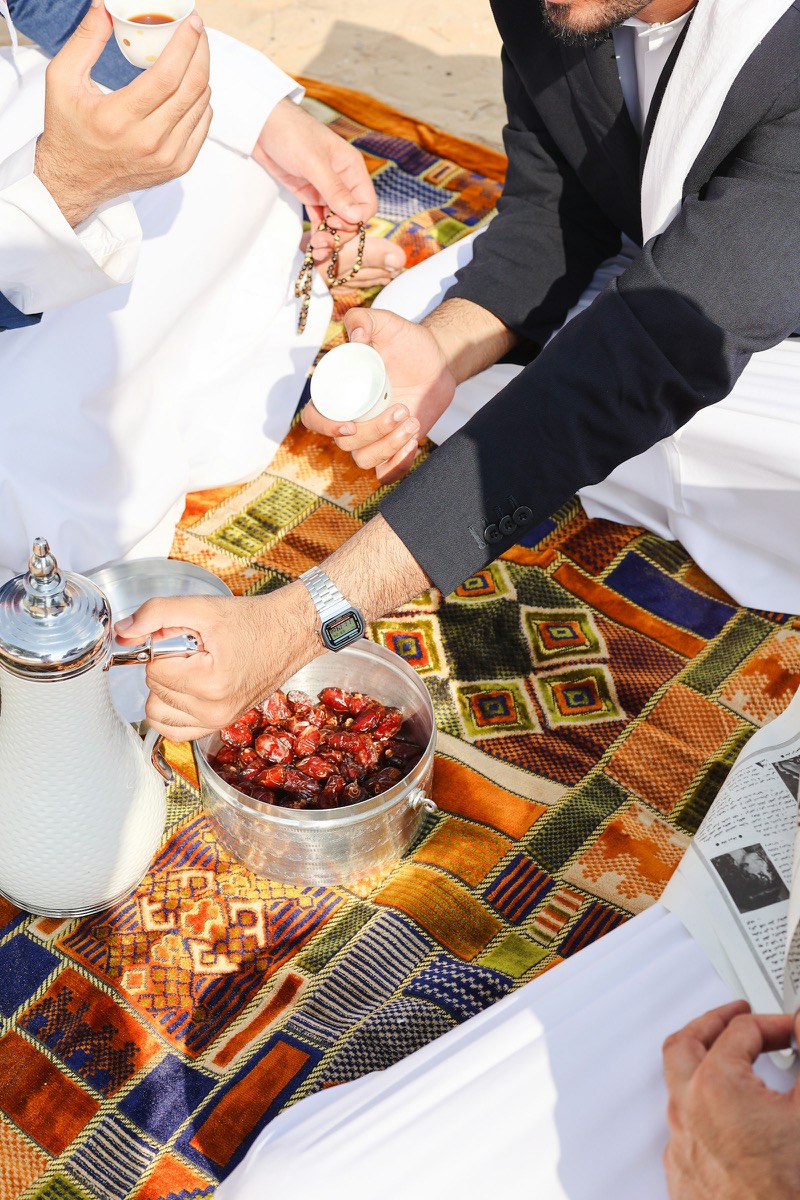
Qahwah houses near Al Ain Souk: Traditional Arabic coffee (qahwah) — a pale, cardamom-spiced brew — is served at minimal cost or as complimentary hospitality at several souk-adjacent spots. The experience is worth seeking out. Coffee is served with dates; tipping is not expected.
Practical Notes
- Al Ain’s restaurants are generally open from around 12:00 and most stay open until 23:00 or later; Friday is the busiest evening
- Alcohol is available only in hotel restaurants and licensed clubs — the city has a more conservative character than Dubai
- The university area around UAE University and Al Ain University has a cluster of affordable cafés and fast-casual restaurants popular with students
- During Ramadan, non-hotel restaurants serving outside of iftar hours may be limited; hotel restaurants typically operate year-round
For more on the city, see our full Al Ain guide.
GetYourGuide lists Al Ain tours and activities including city tours and Jebel Hafeet excursions.
See Also
Frequently Asked Questions
- What is the local food like in Al Ain?
- Al Ain has strong Emirati food traditions linked to its inland oasis heritage. Grilled meats, slow-cooked rice dishes like machboos, and fresh dates from the surrounding plantations feature prominently. The city also has a large South Asian community, so Indian and Pakistani restaurants are everywhere and among the best-value options.
- Are there restaurants open during the day in summer in Al Ain?
- Yes — most restaurants operate year-round, though during Ramadan, restaurants serving food and drink during daylight hours are limited to those in hotels. Al Ain's summer temperatures regularly exceed 40°C, so covered malls and air-conditioned food courts see heavy use from June through September.
- How does eating in Al Ain compare to Dubai?
- Significantly cheaper. Al Ain lacks the concentration of high-end restaurant groups found in Dubai, but for local food — Emirati, Pakistani, Indian, and Lebanese — prices are considerably lower. A good meal in Al Ain costs AED 20–60 per person at the low end, while comparable food in Dubai runs AED 40–80.
Ready to explore?
Browse hundreds of tours and activities. Book securely with free cancellation on most options.
Browse on GetYourGuide →Best price guaranteed — same price as booking direct. We earn a small commission at no extra cost to you.