UAE Food Guide: What to Eat and Where
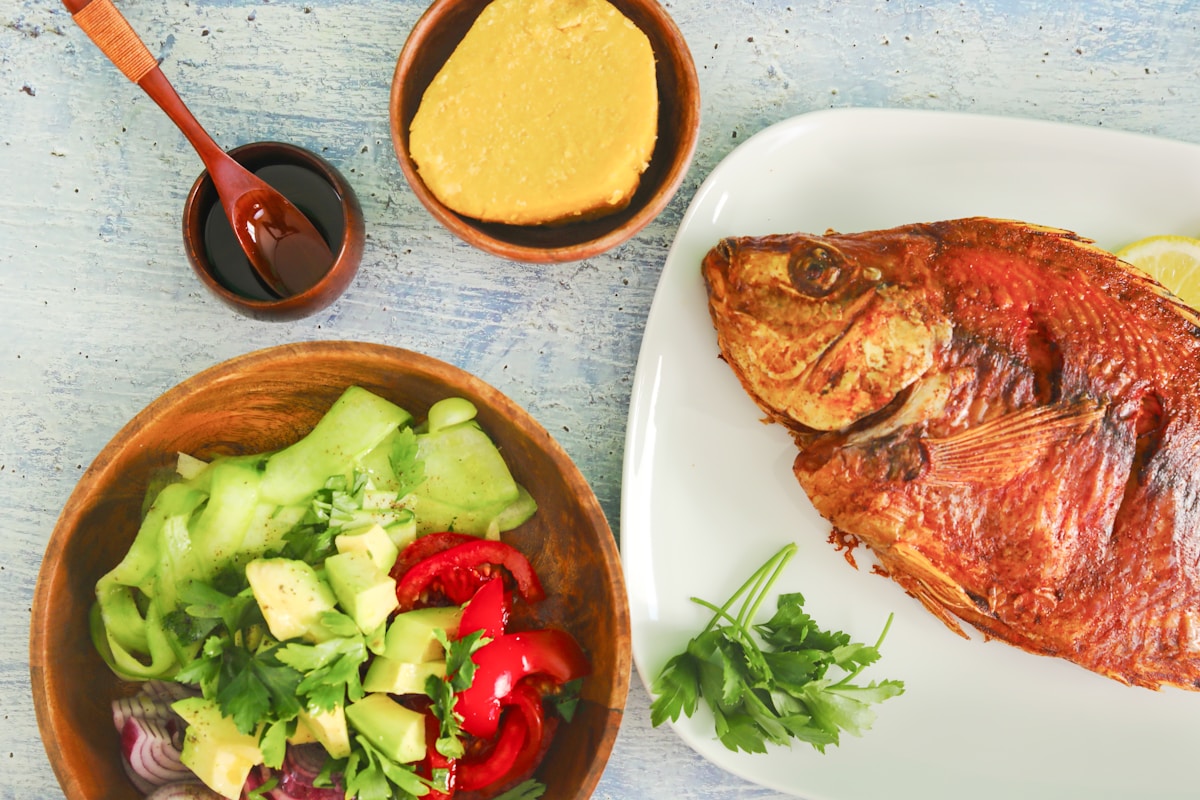
The UAE has one of the most diverse food scenes in the world — a consequence of a population that is roughly 90% expatriate. Walk along any food street in Deira and you’ll find Filipino, Pakistani, Iranian, Indian, Yemeni, and Somali kitchens operating side by side, most of them feeding the communities they grew up in.
Traditional Emirati food, by contrast, is rarer to find — it’s home cooking more than restaurant cuisine. But the ingredients and flavours that define it (dried lime, saffron, cardamom, dates) appear throughout the Gulf food culture that surrounds it.
Traditional Emirati Dishes
Machboos (Kabsa): The most widely eaten Emirati dish — fragrant spiced rice cooked with meat, fish, or chicken. The rice is cooked in the meat broth with dried lime (loomi), cardamom, cinnamon, and saffron, then topped with the protein and fried onions. Similar versions appear across the Gulf under different names; in the UAE, Machboos is the standard.
Harees: Slow-cooked cracked wheat and meat (usually lamb or chicken) reduced to a smooth, porridge-like consistency. One of the oldest dishes in the region — documentation of it goes back over a thousand years. It’s most common during Ramadan and on special occasions, when it’s cooked communally in large pots. The flavour is mild and rich; it’s finished with ghee and sometimes cinnamon.
Al Majboos Al Samak: The fish version of Machboos, common in coastal areas — kingfish, hammour, or prawns cooked with the same spice base.
Luqaimat: Deep-fried dough balls, crisp outside and soft inside, drizzled with date syrup and sometimes sesame. The Emirati equivalent of doughnuts — sold from street stalls during Ramadan and at traditional cafes. A small serving costs approximately AED 5–15.
Dates: Not a dish but an institution. The UAE grows dozens of date varieties, and fresh dates in season (July–September) bear no resemblance to the dried, imported dates sold in western supermarkets. The Kholas date from Al Ain is considered among the best in the world. Date coffee (Qahwa) — lightly spiced with cardamom and saffron — is the standard welcome drink in any Emirati home or traditional cafe.
Street Food
Street food in the UAE is largely the street food of its expat communities — but that means exceptional variety at low prices.
Shawarma: The most widespread quick food in the country. Chicken or lamb carved from a rotating vertical spit, wrapped in flatbread with garlic sauce, pickles, and tomato. Quality varies widely. Look for stalls where the meat is actively rotating and busy enough to turn over stock quickly. Price: approximately AED 8–18 depending on size and location.
Falafel and Hummus: The Lebanese diaspora brought a falafel and mezze culture that now runs through every neighbourhood in Dubai. Al Safadi on Al Rigga Road (Deira) is one of the most consistent — a full mezze spread of hummus, mutabal, fattoush, falafel, and fresh bread runs approximately AED 60–120 per person.
Manakish: A Lebanese flatbread baked with zaatar (dried thyme and sesame), cheese, or minced meat. Eaten for breakfast or as a quick lunch. Bakeries in Satwa, Deira, and Al Quoz sell them fresh from the oven for approximately AED 5–12.
Iranian Bread (Sangak, Barbari): The Iranian community in Dubai is large enough to support dedicated bakeries producing stone-baked flatbreads sold by weight. Deira has several bakeries near the Gold Souk that sell hot bread throughout the day.
Dubai’s International Restaurant Scene
Dubai has attracted serious restaurant operators from around the world over the past two decades. The concentration of high-end dining in Dubai is among the highest of any city globally, though the scene is very price-segmented — budget and mid-range restaurants are excellent, but the fine dining tier operates at a different price point from almost anywhere except London, New York, or Tokyo.
Japanese: Zuma Dubai (DIFC, approximately AED 300–500 per person with drinks) set the benchmark when it opened and remains one of the most consistently good restaurants in the city. Nobu at Atlantis (approximately AED 400–700 per person) is the larger, more theatrical alternative.
Middle Eastern/Levantine: Tresind Studio (DIFC) does modern Indian; for Arabic, try Al Nafoorah at the Emirates Towers (formal Lebanese, approximately AED 200–350 per person) or Leila (more casual Levantine, approximately AED 100–180).
Budget International: Deira has Indian restaurant rows where a full curry meal costs AED 25–45. Ravi Restaurant in Satwa (Pakistani) has been feeding Dubai cheaply since 1978 — a meal including curries, rice, and bread runs approximately AED 30–60 per person.
Deira Food District
Deira — the historic commercial district on the north bank of the Creek — remains the best neighbourhood for authentic, affordable food. Al Rigga Road has a long stretch of Lebanese and Arabic restaurants. The streets around the Fish Market (near Al Shindagha) have a cluster of fresh fish restaurants where you choose your catch and they cook it to order (approximately AED 60–120 per person all-in).
The Deira Fish Market itself (technically now relocated to the Dubai Waterfront Market at Al Jadaf) is worth a visit for the sheer scale — hammour, kingfish, barracuda, prawns, crab, and octopus laid out on ice at wholesale volume. The market is open from early morning and sells directly to the public.
Ramadan Food Culture
During Ramadan, public eating, drinking, and smoking between dawn and sunset is prohibited — restaurants are closed during daylight, or serve from screened areas. After sunset (Iftar), the city’s restaurants and hotel buffets serve enormous spread meals, often at discounted all-you-can-eat Iftar rates (approximately AED 80–200 per person depending on the venue).
Hotel tent restaurants set up specifically for Ramadan — outdoor tented spaces with traditional decor, shisha, and festive food — are one of the more memorable dining experiences in the UAE. Most large hotels run these for the duration of Ramadan.
Suhoor (the pre-dawn meal before the fast resumes) is served late into the night at cafes and restaurants. In Dubai, the culture around Suhoor — eating shawarma and Arabic food at 2am in a shisha cafe — is worth experiencing at least once.
Practical Notes
Alcohol: Licensed hotel restaurants and bars serve alcohol throughout Dubai and Abu Dhabi. A beer costs approximately AED 45–70 in a hotel bar. A glass of house wine is approximately AED 60–90.
Halal food: All meat served in UAE restaurants is halal. Pork products are available in some supermarkets (in dedicated sections) and in some hotel restaurants, where they will be clearly labelled.
Tipping: 10–15% is standard. Many restaurants add a service charge automatically — check the bill before tipping additionally.
Price guide (as of 2026): AED 30–60 = budget meal, AED 100–200 = mid-range, AED 300+ = fine dining. All prices are approximate and subject to change.
GetYourGuide lists food tours across Dubai, Abu Dhabi, and Sharjah — guided souk tours are a particularly effective introduction to UAE street food.
See Also
Book an experience
Food Guide in the area
Best price guaranteed · Instant confirmation · Free cancellation on most bookings
Frequently Asked Questions
- What is traditional Emirati food?
- Traditional Emirati cuisine centres on rice, meat, and fish cooked with warming spices — saffron, turmeric, dried lime, and cardamom are the defining flavours. Machboos (spiced rice with meat or fish), Harees (slow-cooked wheat and meat), and Luqaimat (deep-fried sweet dumplings with date syrup) are the dishes most closely associated with Emirati cooking.
- Can you drink alcohol in UAE restaurants?
- Alcohol is served at licensed hotel restaurants and bars across Dubai and [Abu Dhabi](/city/abu-dhabi/). Most standalone restaurants and all food outlets in shopping malls are dry. Sharjah has a full alcohol ban. Always check the restaurant's licence before planning around drinks.
- Where is the best area for cheap food in Dubai?
- Deira and Bur Dubai have the highest concentration of affordable restaurants — Indian, Pakistani, Filipino, and Arabic kitchens that serve the city's large working population. Al Rigga Road in Deira and Bank Street in Bur Dubai both have long rows of restaurants where a full meal costs approximately AED 25–60. The Satwa neighbourhood is also well-known for cheap, high-quality food.