Getting Around Dubai: Transport Guide 2026
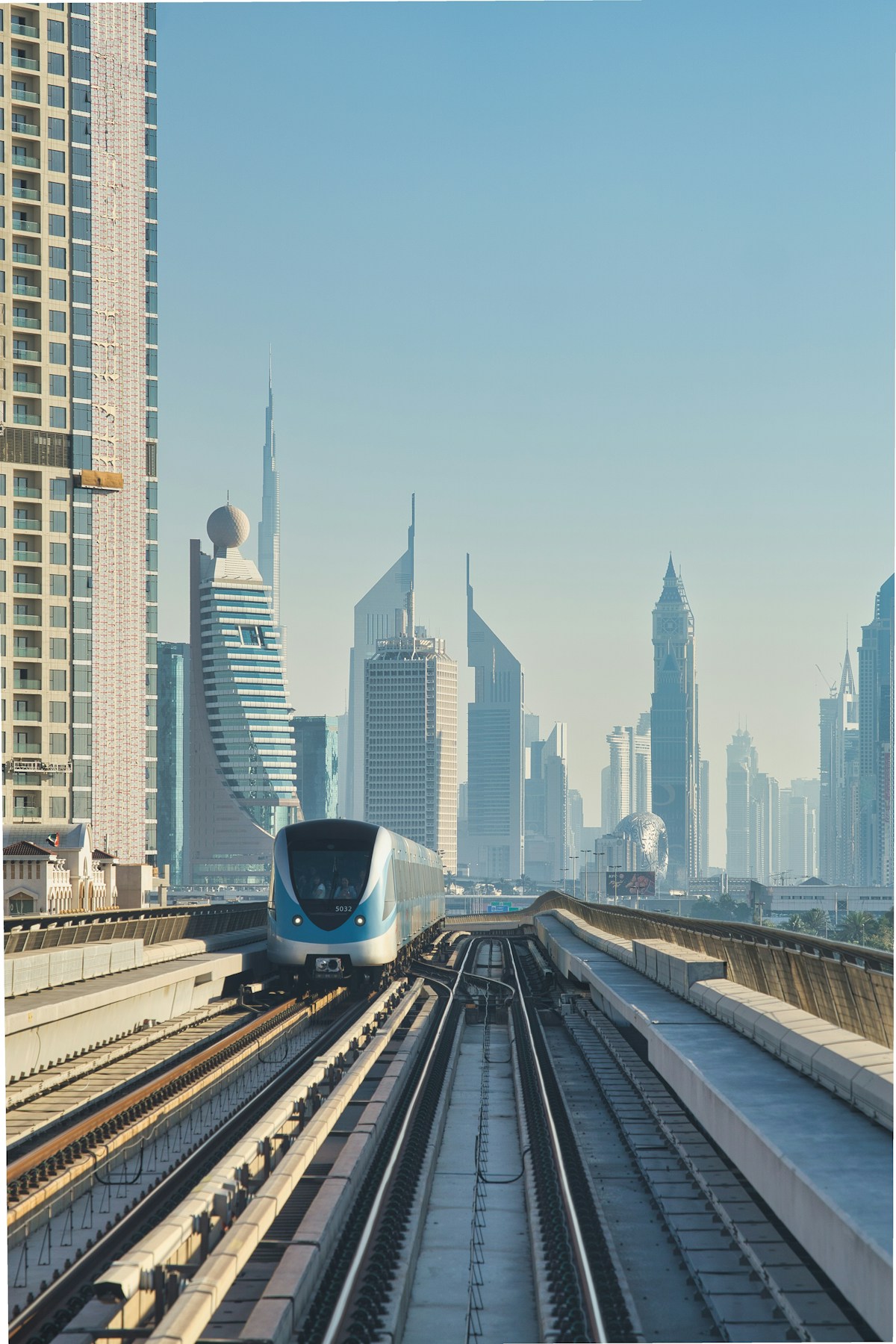
Dubai has one of the best public transport systems in the Gulf, anchored by a clean, reliable metro network. For most of the main tourist areas the Metro is sufficient and far cheaper than taxis. But the city is also large and spread out — some areas require a taxi or rideshare, and a few experiences (like the water taxi crossing in the Creek) are transport options worth taking for the experience alone.
Dubai Metro
The Metro has two lines:
Red Line: The main tourist artery. Runs from Rashidiya (near the airport) through Deira, through DIFC and Sheikh Zayed Road, past Downtown Dubai (Burj Khalifa/Dubai Mall station), to Dubai Marina and Expo City at the far end. The Red Line is the one most visitors use most of the time.
Green Line: Connects Al Qiyadah in the north to Creek in the south, passing through Deira’s main souk district (Al Ras, Baniyas Square), Deira City Centre, and Al Fahidi (Old Dubai). Intersects with the Red Line at Union and BurJuman stations.
Fares and Nol Cards
All metro journeys require a Nol card (the UAE’s tap-to-pay transit card). Available from ticket machines and customer service counters at all stations. Card types:
- Red Nol card: AED 25 (includes AED 19 credit, AED 6 card fee). Best for short stays.
- Silver Nol card: AED 25 (includes AED 14 credit). Reloadable, works on Metro, buses, trams, and water buses.
Fares are zone-based:
- 1 zone: approximately AED 3.00 as of 2026
- 2 zones: approximately AED 5.00
- 3 zones (full Red Line, airport to Marina): approximately AED 7.50
Operating hours: Saturday–Wednesday 05:00–00:00, Thursday–Friday 05:00–01:00. Trains run approximately every 5–7 minutes during peak hours.
Gold Class (front carriage): AED 1.50 surcharge. More space, less crowded — worth it at peak times.
Women and Children carriage: A dedicated carriage for women and children only. Men may not use it.
Taxis (RTA)
Dubai’s official taxis are operated by the RTA (Roads and Transport Authority) and are metered, air-conditioned, and reliable. The flag fall is approximately AED 5 (AED 3.50 from Dubai International Airport), with a per-km rate of approximately AED 1.96 as of 2026.
Typical fares (approximate, as of 2026):
- Airport (Terminal 1/3) to Downtown Dubai: AED 70–90
- Downtown Dubai to Dubai Marina: AED 45–60
- Dubai Mall to Palm Jumeirah: AED 35–50
- Short hop within Deira: AED 15–20
Minimum fare: approximately AED 12.
How to get one: Hail on the street, use designated taxi ranks outside malls and hotels, or book via the RTA Dubai app. Uber and Careem also dispatch licensed taxis through their apps.
Colour coding: Standard taxis are cream with coloured roof lights. Pink taxis (female driver, women/families preferred) and special vehicles for people with disabilities are also available.
Careem and Uber
Both apps operate extensively in Dubai and Abu Dhabi. Pricing is broadly similar to metered taxis, with surge pricing during peak hours and busy events. Key differences from street taxis:
- Upfront pricing: Fare is displayed before booking, unlike a metered taxi.
- Cashless: All payments are in-app.
- Tracking: Trip progress visible on app, shareable with contacts.
- Careem: Owned by Uber since 2019, stronger brand recognition in Dubai. Careem Captain (driver) tend to have better local knowledge.
- Uber: Slightly cleaner interface. Also offers Uber Comfort (newer vehicles) for a small premium.
Both are available 24/7. Airport pick-ups require going to the designated rideshare meeting points (signposted).
Dubai Buses
The RTA bus network covers areas the Metro doesn’t reach. Buses use Nol cards — cash is not accepted on most routes. Key routes for tourists:
- Route F55: Mall of the Emirates to Dubai Internet City Metro station
- Route E11: Al Ghubaiba Bus Station to Abu Dhabi (IKEA stop) — the main bus option to Abu Dhabi (see below)
- Routes 8 and 9: Al Ghubaiba Bus Station along Jumeirah Beach Road through Jumeirah
Bus frequency is lower than the Metro (15–30 minutes) and journeys are slower due to traffic. Useful for specific routes but taxis or rideshares are better for ad hoc travel.
Water Transport
Abra (Traditional Creek Ferry)
The classic Dubai experience — traditional wooden boats crossing Dubai Creek between Bur Dubai (Al Fahidi side) and Deira. Cost approximately AED 1–2 per person. Boats run continuously during daylight and into the evening. No booking required — simply arrive at the dock and board.
There are two routes:
- Al Fahidi – Deira Old Souk: Main tourist crossing. Links Al Fahidi Historical Neighbourhood with the Gold and Spice Souks.
- Bur Dubai – Al Sabkha: Secondary route, slightly less scenic.
RTA Water Bus and Water Taxi
Modern, air-conditioned boats on scheduled routes along the Creek and in the Marina. Nol card accepted. The Water Bus runs regular routes; the Water Taxi is a bookable on-demand service (metered, approximately AED 3 per minute as of 2026).
Dubai Ferry
Runs between Dubai Marina and Al Ghubaiba, passing the JBR beachfront and the Palm Jumeirah. A scenic way to travel between the Marina and Old Dubai. Fare approximately AED 50 for a journey — slower than the Metro but a good option for a combined sightseeing trip.
Dubai Tram
Connects Dubai Media City and Dubai Marina Walk with Dubai Marina Metro station on the Red Line. Short but useful — covers 10 stations in the Marina/JBR area. Single fare approximately AED 3 with Nol card. Interconnects with the Palm Monorail at Jumeirah Lakes Towers station for access to the Palm Jumeirah.
Renting a Car
Driving in Dubai is on the right. Roads are generally excellent, well-signed in English, and traffic moves fast. A UAE driving licence is not required for GCC residents and many international licence holders — EU, US, UK, and Australian licences are accepted for short-term rentals.
Rental costs: From approximately AED 100–200 per day for a standard hatchback at Dubai International Airport as of 2026. Fuel is significantly cheaper than Europe — approximately AED 3 per litre. Salik (toll) charges on certain roads are approximately AED 4 per crossing and are charged automatically if your rental agreement includes a Salik pass (usually added as a daily fee of approximately AED 7–10).
Parking: Free or paid via the RTA mParking app. Most malls have free parking. On-street parking is paid in central areas — approximately AED 2–4 per hour.
Getting Between Dubai and Abu Dhabi
Bus: The most affordable option. Buses depart from Al Ghubaiba Bus Station in Deira every 30 minutes from approximately 05:30–23:00. Journey time 1.5–2 hours depending on traffic. Fare approximately AED 25 one way as of 2026. The Abu Dhabi end terminus is the Abu Dhabi Central Bus Station near Al Wahda Mall.
Taxi: Roughly AED 250–350 per journey. Fixed-rate taxis from the airport are also available. Some apps (Careem) allow Abu Dhabi intercity bookings but surge pricing can push this higher.
Rental car: The most flexible option. The E11 (Sheikh Zayed Road continuing as Sheikh Khalifa bin Zayed Road into Abu Dhabi) is a well-maintained 130 km motorway — journey time approximately 1.5 hours in off-peak traffic, longer during morning and evening rush.
There is no train service between Dubai and Abu Dhabi as of 2026 — the UAE national rail network (Etihad Rail) is still under development.
Getting to Dubai from the Airport
Metro (Red Line): The most convenient option for most visitors. The Airport Terminal 1 and Terminal 3 stations are directly in the departure/arrival halls. Journey to Downtown (Union Square Metro Interchange or Burj Khalifa/Dubai Mall) takes approximately 25–30 minutes and costs approximately AED 12–15 with Nol card as of 2026.
Taxi: Metered. Flag fall from airport: approximately AED 3.50. Journey to Downtown: approximately AED 70–90 depending on traffic.
Hotel transfers: Most four- and five-star hotels offer paid airport transfers — typically AED 150–250 for a saloon car. Worth comparing against taxi costs.
Frequently Asked Questions
- Is the Dubai Metro enough to get around as a tourist?
- For most mainstream tourist areas yes — the Red Line connects the airport, Deira, DIFC, Downtown, and the Marina. The Green Line covers Old Dubai and Deira. However, attractions like Global Village, Aquaventure, and parts of Jumeirah are off the Metro network and require a taxi or rideshare.
- How much does a Dubai taxi cost?
- RTA taxis are metered. The flag fall is approximately AED 5 (AED 3.50 from the airport), and the per-km rate is approximately AED 1.96 as of 2026. A typical 10-minute trip across central Dubai runs AED 15–25. Airport trips to Downtown Dubai are typically AED 70–90.
- Can I use Uber or Careem in Dubai?
- Yes — both operate widely in Dubai and Abu Dhabi. Fares are comparable to metered taxis and surge pricing applies at busy times. Both apps work reliably. Careem (owned by Uber) tends to have more local drivers familiar with Dubai addresses.