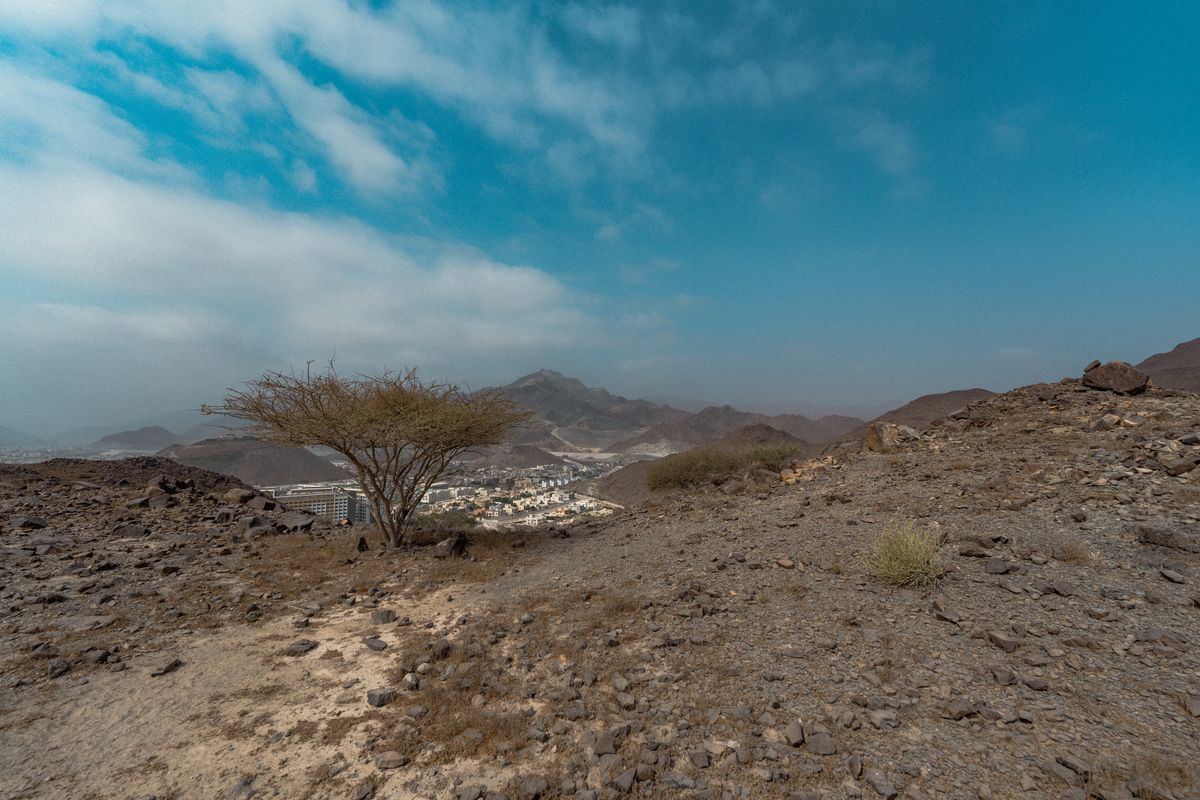
The UAE is not the first country most people associate with hiking, but the Hajar Mountains that run through Ras Al Khaimah, Fujairah, and across into Oman contain genuine mountain terrain - rocky ridgelines, narrow wadis, and elevation changes of over 1,900 metres. During the cool season from October to April, temperatures drop to European summer levels at higher elevations, and hiking becomes not just possible but genuinely excellent.
Why the Season Matters
The UAE’s hiking season is tight by global standards. Between May and September, lowland temperatures exceed 40°C and mountain trails run 30°C+. Humidity is high in coastal areas. Summer hiking outside of very early morning (before 7am) on short, shaded trails is not advisable and is actively discouraged by emirate tourism authorities. The formal hiking season is October 15 to April 15, and October and April themselves can still see afternoon temperatures at lower elevations that require early-morning starts.
November through February is the core window - reliable conditions, manageable sun, and occasional cloud cover on upper Hajar ridgelines.
Jebel Jais, Ras Al Khaimah
The highest mountain in the UAE at 1,934 metres, Jebel Jais is the centrepiece of Ras Al Khaimah’s outdoor tourism offer. The mountain is best known for the Jais Flight - the world’s longest zipline at 2.83 km - but the trail network is extensive and rewarding in its own right.
Jais Trail 1 (Summit Trail): The most-hiked route, running approximately 6 km one-way from the upper car park to the adventure park area. Moderate difficulty. Rocky underfoot with clear cairn and paint markers. Elevation gain of approximately 400 m. Allow 3–4 hours return including time at the top.
Jais Sky Tour via ferrata: For those who want technical challenge on the mountain, the via ferrata routes use steel cable systems fixed to cliff faces. No prior climbing experience required, but a head for heights is essential. Booking is through Jais Adventure Park at approximately AED 350 per person.
The Wadi Walk (lower trails): Shorter, accessible trails through lower wadi terrain around the Jebel Jais foothills. Suitable for beginners and families. Less dramatic than the upper mountain but gives a feel for UAE wadi scenery - dry riverbeds, ghaf trees, and eroded rock formations.
Getting there: Jebel Jais is approximately 100 km from Dubai, 35 km inland from Ras Al Khaimah city. No public transport runs to the summit. A hire car is the most practical option; otherwise, organised hiking tours from Dubai include return transport.
Hatta, Dubai Emirate
Hatta is Dubai emirate’s mountainous enclave, separated from the main city by Sharjah and Omani territory. The Hatta Wadi Hub, established around the Hatta Dam, has developed into a dedicated outdoor activity centre with the most accessible trail infrastructure in the UAE.
Hatta Dam Loop: 4.5 km loop around the reservoir, with optional extensions into the surrounding wadi. Very easy, well-surfaced in parts, minimal elevation change. Suitable for all fitness levels including children. The turquoise water of Hatta Dam against the red-brown mountains is visually striking.
Jebel Tahla Trail: A more challenging 8 km route climbing to a ridgeline above Hatta town, with panoramic views across the enclave and into Oman. Allow 4–5 hours. Trail is marked but becomes loose scree on upper sections - good hiking shoes required.
Mountain biking trails: Hatta has an extensive purpose-built MTB trail network (approximately 85 km of trails) that runs parallel to the hiking trails. Bikes are available for hire at the Hatta Wadi Hub from approximately AED 120 per hour. Cycling and hiking share some trail sections, so awareness of other users is needed.
Hatta is approximately 100 km from Dubai (about 90 minutes by car via the E44). Hatta day trips from Dubai, including kayaking and mountain biking, are widely available through tour operators if you prefer not to drive.
Jebel Hafeet, Al Ain
The second-highest peak in the UAE at 1,240 metres, Jebel Hafeet rises dramatically from the desert floor on the outskirts of Al Ain near the Omani border. The mountain is most famous for its switchback road (a regular feature in UAE motorsport events), but hiking trails run on the mountain’s flanks.
Green Mubazzarah (base trails): At the mountain’s base, the municipality maintains a green park with maintained paths, hot springs, and picnic areas. Easy walking; more of a nature walk than a hike. Popular with families and groups.
Jebel Hafeet Summit Trail: A challenging 8–10 km route ascending the mountain via marked trails. Exposed, rocky, and demanding on the descent. The summit at 1,240 m provides views across Al Ain, the desert to the north, and the Omani mountains to the south. Early morning starts are recommended even in winter - the upper slopes are unshaded. See the Jebel Hafeet guide for full details.
Al Ain is approximately 160 km from Dubai and 150 km from Abu Dhabi. Tours from Abu Dhabi cover Jebel Hafeet as a day trip.
Hajar Mountains, Fujairah
The east coast emirate of Fujairah borders the Hajar Mountains along its western edge and offers some of the most dramatic wadi hiking in the country. The wadis here - carved channels through the limestone and dolomite of the range - are dry in summer but can flow briefly after winter rain events.
Wadi Wurayah: UAE’s first and only mountain national park, Wadi Wurayah near Masafi covers 45 km² of protected Hajar terrain. Walking into the wadi (accessible via the mountain road from Masafi) gives access to natural pools that hold water from October through February after rain. No formal trail infrastructure - GPS tracks downloaded in advance are recommended.
Wadi Khabb Shamsi and Wadi Sidr (also known as Wadi Shower): Accessible from near Dibba on the Fujairah coast, these wadis cut deep into the mountains and are well-documented in UAE hiking communities. Wadi Khabb involves some water crossings if pools are present. AllTrails has community-documented routes.
Diving and hiking combination: Fujairah’s east coast is also the UAE’s primary diving and snorkelling destination. A two-day Fujairah trip in cool season combining a morning hike and afternoon dive is popular among Dubai-based visitors.
What to Know Before You Go
Permits: No permits are required for hiking on the main Jais, Hatta, or Hafeet trail networks. Wadi Wurayah National Park has an entry fee (approximately AED 30 per person) payable at the wadi entrance.
Emergency: The UAE has efficient search and rescue services, but Hajar Mountain terrain can be disorienting without GPS. Share your planned route with someone before setting out on remote wadi hikes. The national emergency number is 999.
Water and supplies: Bring more water than you expect to need. There are no trail-side water sources on any UAE mountain hike. The Hatta Wadi Hub has a café. Jais Adventure Park has a café at the top. All other trailheads are remote - carry food and at least 2 litres per person.
Travel insurance: Activity-specific coverage that includes mountain hiking and emergency evacuation is worth having for multi-day Hajar routes and any via ferrata activity.