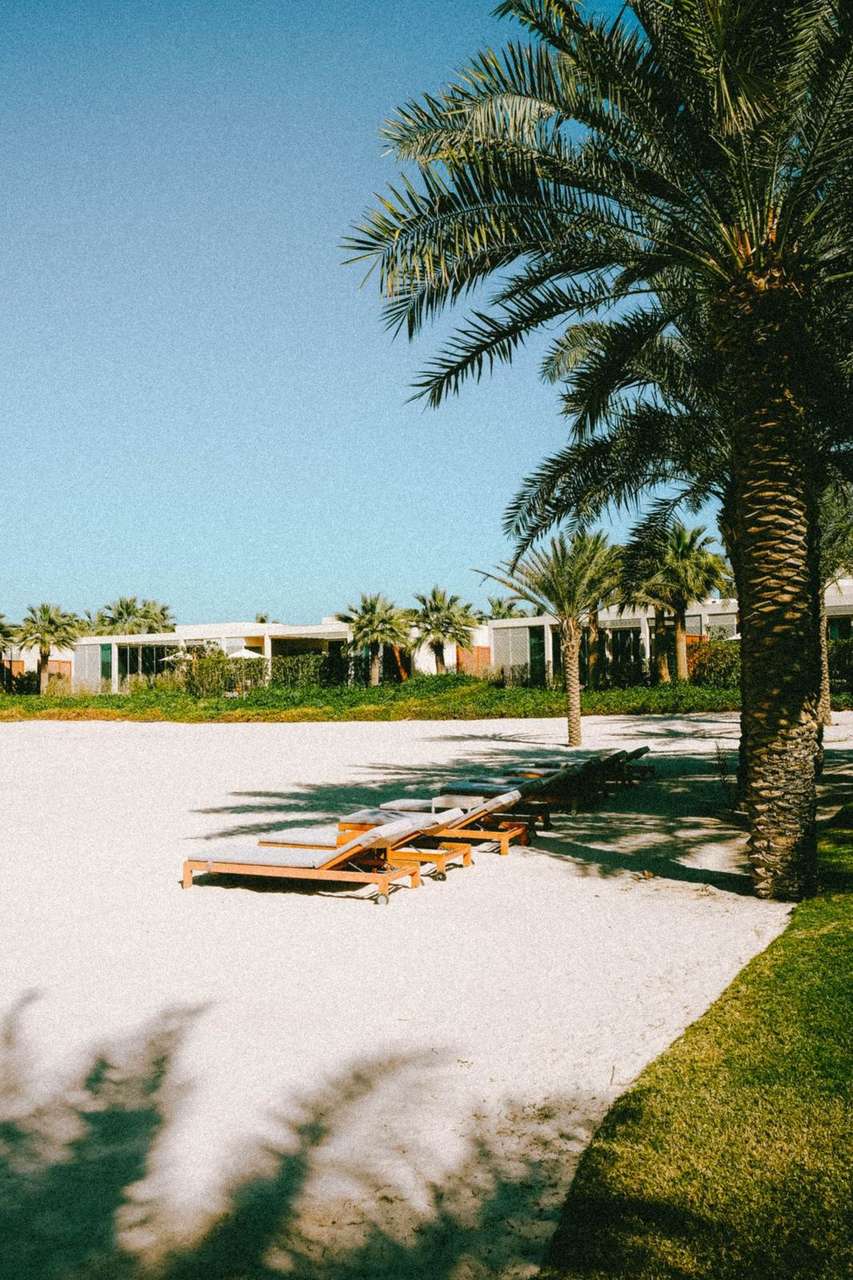
The UAE’s beach season runs opposite to most tropical destinations. When European and North American summer holidaymakers are heading home in September, the UAE’s beaches are entering six months of genuinely excellent conditions - water warm enough for swimming but not uncomfortably hot, air temperatures in the low-to-mid twenties, and clear skies almost every day from November through February.
Understanding which beach suits what you want - facilities versus nature, swimming versus snorkelling, public access versus beach club experience - makes the difference between a good beach day and a wasted journey.
The Gulf Coast (West-Facing, Dubai and Abu Dhabi)
The Persian Gulf coast faces west and northwest. Sunsets over the water are spectacular from November through January. Water is calmer than the east coast, with minimal swell, making it better for young children and casual swimming. Visibility is moderate rather than clear due to the Gulf’s shallow sediment.
Kite Beach, Dubai
Kite Beach, stretching along Jumeirah 3 between the Burj Al Arab landmark and Safa Park, is Dubai’s most popular public beach among residents. It earned its name from the kite surfers who fly off the southern end, but most of the beach is standard swimming and sunbathing territory.
Facilities are genuinely good for a public beach: clean toilets and showers, a beach volleyball court, a dedicated running and cycling track that extends 14 km along the Jumeirah strip, and a cluster of food trucks and cafés at the northern end. Lifeguards are on duty during daylight hours.
The Burj Al Arab stands offshore visible from the beach, making for a distinctive backdrop. Peak hours are weekend afternoons (Friday and Saturday) from October onwards when Dubai temperatures drop to comfortable levels. Arrive before 9am on weekends to secure a spot without competition.
JBR Beach (The Beach at JBR), Dubai
Jumeirah Beach Residence’s open beach is part of one of Dubai’s most concentrated leisure strips. The 1.7 km beach fronts a waterfront promenade of restaurants, cafés, and a small retail mall called The Beach. It is busier and more commercial than Kite Beach, with a strong tourist mix alongside residents.
The northern section of JBR beach is quieter; the central section in front of The Beach complex is the most lively. A cluster of beach clubs including Zero Gravity, Barasti, and Cove Beach line the Dubai Marina end with day passes running approximately AED 150–250 per person including a food and drink credit.
La Mer, Dubai
La Mer is a purpose-built beach development on the Jumeirah coast, mixing a boutique beach club, outdoor shopping, and dining in a colourfully painted low-rise complex. The beach itself is smaller than JBR or Kite Beach but well-maintained. The sea here is shallow and calm - good for children learning to swim. Entry to the beach is free; the beach clubs within the development charge entry separately.
Saadiyat Island, Abu Dhabi
Saadiyat Island is Abu Dhabi’s most attractive beach destination and among the best in the UAE overall. The island is 15 minutes from central Abu Dhabi and hosts a fine powder-sand beach with remarkably clear, shallow turquoise water. The beach is long enough to feel uncrowded even on busy days.
Three main beach clubs operate on Saadiyat: Saadiyat Beach Club (AED 200–300 per person day pass, sun lounger included), Park Hyatt Saadiyat (guests only), and the public access eastern section which requires no payment. The sea turtles that nest on Saadiyat’s beach between May and October are gone by November, leaving the nesting areas clear for visitors.
Abu Dhabi’s Corniche beach (running along the mainland waterfront) is an alternative for a free, accessible swim; it is cleaned and maintained daily and has full lifeguard coverage, but the backdrop of the Corniche road rather than natural dunes means it lacks the resort feel of Saadiyat.
The East Coast (Gulf of Oman - Fujairah and Khor Fakkan)
The east coast faces the Gulf of Oman, a deeper body of water with stronger winter swell than the Gulf and considerably better water clarity. For snorkelling and diving, the east coast is the only practical choice in the UAE - visibility reaches 5–15 metres off rocky headlands, and coral, reef fish, and sea turtles are reliably present.
Fujairah City Beach and Al Aqah
The coast from Fujairah city northward to Al Aqah is the most developed stretch of the east coast for tourism. Several resort hotels line the shore: Fujairah Rotana Resort and Le Méridien Al Aqah are the two with the strongest reputation, both with private beach access, water sports hire, and diving centres.
Fujairah’s public beach south of the city is accessible and uncrowded compared to Dubai’s main beaches, with a distinctive backdrop of the Hajar Mountains rising steeply from the coastal plain. Diving off Fujairah into sites including Dibba Rock and Martini Rock is viable year-round, with the best visibility from October through April.
Getting there from Dubai: approximately 120–130 km via the E44 mountain road (about 90 minutes). Day trips from Dubai to Fujairah including beach time are available through tour operators.
Khor Fakkan
Khor Fakkan is a Sharjah emirate enclave on the east coast and has the most picturesque beachfront setting on the UAE coastline - a curved bay backed by palm trees with the Hajar Mountains as a vertical backdrop. The Khor Fakkan Corniche is clean, free, and genuinely pleasant.
Snorkelling off the rocks at the bay’s southern end is good for beginners - coral and reef fish are clearly visible in 1–3 metres of water. A small beachside water sports operator typically runs jet ski, kayak, and paddleboard hire from approximately AED 100–200 per hour depending on equipment.
Dibba, Fujairah–Oman Border
Dibba sits at the northern end of the east coast, at a point where the UAE and Oman territories meet. The bay here is the departure point for snorkelling and dive boat trips to offshore sites including Lima Rock (inside Omani waters - a separate permit-free visit but your passport is checked). The beach at Dibba is quiet and relatively undeveloped; accommodation is limited to a handful of hotels and the Sama Dibba resort area.
Beach Club Day Passes
If you want facilities, sun loungers, pools, and beach restaurant service in a managed environment, Dubai’s beach clubs are a distinct category from public beaches. The top options for a one-day visit:
- Zero Gravity Dubai (near Dubai Marina) - AED 200–280 on weekdays, higher on weekends; includes a food and drink credit. Two pools, DJ programming on weekends, direct beach access.
- Nikki Beach Dubai (Pearl Jumeirah) - AED 250–350 per person; international brand with signature Sunday brunch. More upscale in food quality.
- Cove Beach (Cesar Beach, Jumeirah) - AED 150–200; well-regarded for service quality among mid-range beach clubs.
- Saadiyat Beach Club (Abu Dhabi) - AED 200–300; the most natural beach setting in the UAE beach club category, away from urban backdrop.
Prices are directional as of 2026 and vary by day of week and season.
Practical Notes
Sun protection: Even in cool-season November to February, UAE sun intensity is high. SPF 50 and reapplication every 90 minutes is the standard advice. A beach umbrella or shade structure makes a material difference on a full beach day.
Facilities on public beaches: Dubai’s main public beaches (JBR, Kite Beach, La Mer, Jumeirah Beach Park) have showers, changing rooms, and toilets. Remote east coast beaches have minimal facilities - bring your own water and food.
Getting to east coast beaches: The east coast has no public transport from Dubai. A hire car is the practical option for independent travel; day trip tours from Dubai to Fujairah are widely available and include transport for approximately AED 150–250 per person.
Travel insurance: Recommended for any watersports activity; east coast diving in particular involves standard activity coverage requirements.
Plan Your Trip
✈️ Book your flights to the UAE 🛡️ Get travel insurance 📱 Stay connected with an eSIM 🚗 Rent a car