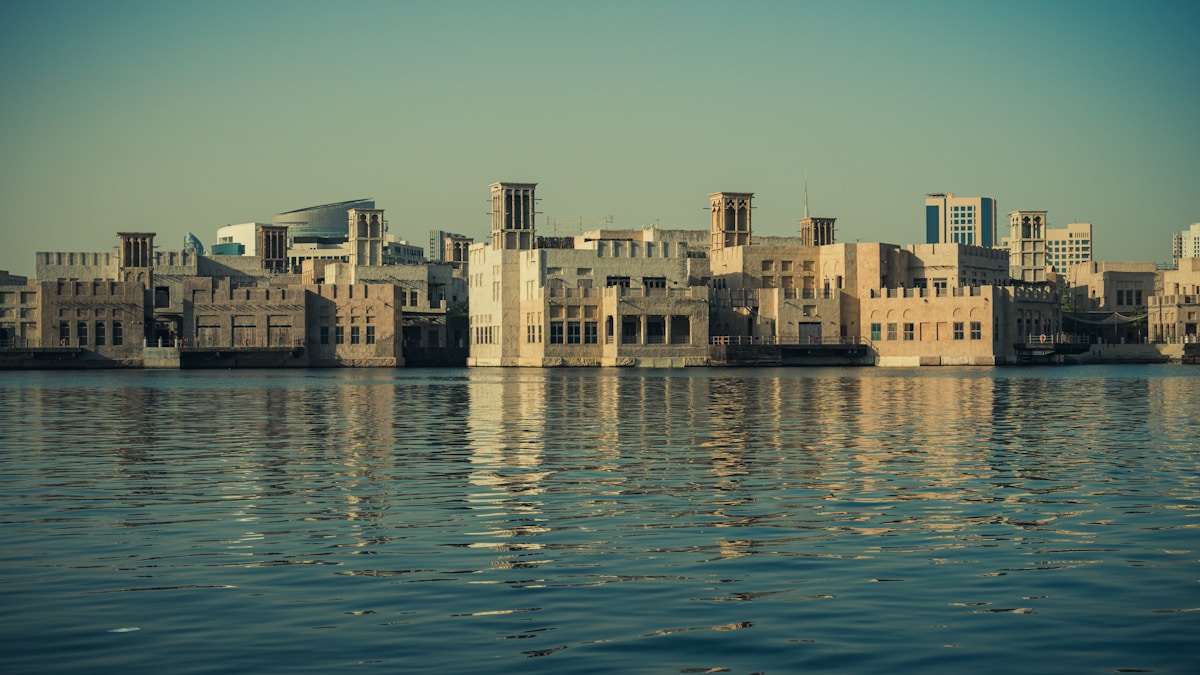
Ajman Travel Guide
Ajman travel guide: the UAE's smallest emirate with a heritage museum, dhow-building yards, quiet beaches, and budget accommodation near Dubai.
Guides for Ajman
Ajman is the UAE’s smallest emirate — 259 square kilometres in total — but it packs in a genuine sense of old Gulf character that the larger, more commercialised neighbours have largely built over. The dhow yards on the creek are among the last working traditional boat-building operations in the region. The Ajman Museum, occupying the 18th-century palace of Sheikh Humaid bin Rashid Al Nuaimi, is well curated and often almost empty. The waterfront Corniche is low-key and pleasant.
Ajman sits between Sharjah and Umm Al Quwain, roughly 30 km from Dubai. It makes natural sense to combine it with a Sharjah visit rather than treat it as a standalone trip, unless you are planning to stay here for budget accommodation close to Dubai.
Getting to Ajman
From Dubai: Take the E11 north through Sharjah. Distance approximately 30 km. By car or taxi, allow 35–55 minutes depending on traffic — the Sharjah-Ajman stretch tends to be less congested than the Dubai-Sharjah section.
By bus: Bus E400 from Al Ghubaiba station in Dubai runs to Ajman bus terminal. Journey time approximately 45–60 minutes. Fare approximately AED 12.
Top Attractions
Ajman Museum: Housed in the 18th-century Al Nuaimi Fort — the former ruler’s palace. The collection covers Ajman’s history from the Bronze Age through to the oil era, with particular attention to pearling, fishing, and Bedouin life. Entry approximately AED 4 adults, free for children. Hours: Monday–Thursday and Saturday 09:00–13:00 and 16:00–19:00, Friday 16:00–19:00.
Ajman Dhow Yard: One of the last working traditional dhow-building yards in the Gulf. Located on the creek near the fish market. There is no formal entry or charge — the yard is open to respectful visitors. The craftsmen work with hand tools, building vessels from scratch using traditional techniques. Genuinely extraordinary to watch.
Ajman Corniche: A 5 km beachfront promenade with public beach access. Less crowded than Dubai or Abu Dhabi beaches. The water can be rough and the beach facilities are basic, but it is free and uncrowded.
Fish and Meat Market: The Ajman Central Market near the Corniche is one of the more authentic market experiences available easily from Dubai. The fish market opens very early morning (best before 08:00). Free to enter and browse.
Where to Stay
Budget (AED 200–350/night, approximately $55–95): Ajman Hotel is a long-established property near the Corniche with decent rooms and a beach club, from approximately AED 240/night ($65). City Seasons Hotel Ajman offers practical rooms close to the museum from approximately AED 210/night ($57).
Mid-range (AED 400–700/night, approximately $109–190): Fairmont Ajman is the most prominent hotel on the waterfront — a full resort with private beach, multiple pools, and good dining, from approximately AED 480/night ($130). Ramada Beach Hotel Ajman is on a quiet beach stretch with direct beach access and a more relaxed atmosphere than the Fairmont’s bustling resort feel, from approximately AED 380/night ($103).
Where to Eat
Al Boom Marine Restaurant on the waterfront serves seafood in a dhow-inspired setting — expect AED 70–120 ($19–33) per person as of 2026. Al Diwan Restaurant near the Corniche serves Emirati and Arabic food at reasonable prices, around AED 50–80 ($14–22) per person. The fish market area has simple grills and shawarma shops for under AED 30 (~$8).
Ajman has several Indian and Pakistani restaurants along the Old Town market streets that are popular with the large South Asian community here — full curry meals with bread and rice run approximately AED 25–50 (~$7–14) per person as of 2026. Look along Sheikh Humaid Bin Rashid Al Nuaimi Street near the museum. For coffee, The Roastery near Al Nuaimiya is a small independent café worth noting for a mid-morning break between the museum and the dhow yard.
Bin Lahej Restaurant near the fish market is good for traditional Emirati breakfasts — balaleet (sweet vermicelli with eggs), chebab (Emirati pancakes with date syrup), and karak chai (saffron-spiced tea). Breakfast runs approximately AED 30–50 per person. It is particularly popular with locals on weekend mornings.
Ajman as a Budget Base
Accommodation in Ajman runs roughly 30–40% cheaper than equivalent hotels in Dubai, while the emirate is close enough (30–40 minutes off-peak) to use Dubai as a day-trip destination. For visitors prioritising a beach stay over nightlife or a buzzing restaurant scene, Ajman makes economic sense. The Corniche has public beach access, the water is generally calmer than Dubai’s busier beaches, and the main hotels all have private beach areas. The flipside is that public transport back to Dubai is slow and the late-night options here are limited.
GetYourGuide lists tours and experiences in Ajman with live availability. From Dubai, airport transfers or car hire in the UAE are the easiest ways to reach Ajman — taxis and rideshares run regularly on the main inter-emirate road.
Practical Tips
- Ajman Museum is genuinely worth an hour, not just a quick look — the collection is more thoughtful than you might expect from such a small emirate
- The dhow yard is most active in the morning; late afternoon the workers wind down
- Ajman has a small gold souk near the Central Market that is less hectic than Dubai’s
- Ramadan hours apply across the emirate — restaurants close during daylight hours and the market atmosphere shifts completely; the iftar period in the evening is actually a good time to visit
- Friday mornings are quiet and the market areas near the museum are largely closed; Friday evenings and weekends are when the Corniche fills with families
Ajman pairs well with the Sharjah guide and is a natural stop on a UAE road trip through all seven emirates. For a full rundown of the emirate’s attractions with entry details, see our things to do in Ajman guide.
Frequently Asked Questions
- How far is Ajman from Dubai?
- Approximately 30 km from Dubai city centre, around 30–45 minutes by car depending on traffic. It is the closest emirate to Dubai and easy to combine with a Sharjah visit.
- Is Ajman a dry emirate?
- No — unlike neighbouring Sharjah, Ajman permits alcohol in licensed venues. Some hotels have bars and serve alcohol, which makes it a slightly different proposition from Sharjah for visitors.
- What is Ajman best known for?
- Dhow building. The Ajman dhow yard (Al Bateen, though Al Bateen is also the name of a yard in Abu Dhabi) has been constructing traditional wooden vessels for centuries. Watching craftsmen work by hand on large wooden hulls is a remarkable sight.
- Is Ajman worth visiting?
- As a half-day add-on to Sharjah, yes — the museum and the dhow yard are both interesting and uncrowded. As a standalone destination, it is more limited than the other emirates.
Book an experience
Top experiences in Ajman
Explore the best tours and activities in Ajman — instant confirmation, free cancellation on most bookings.